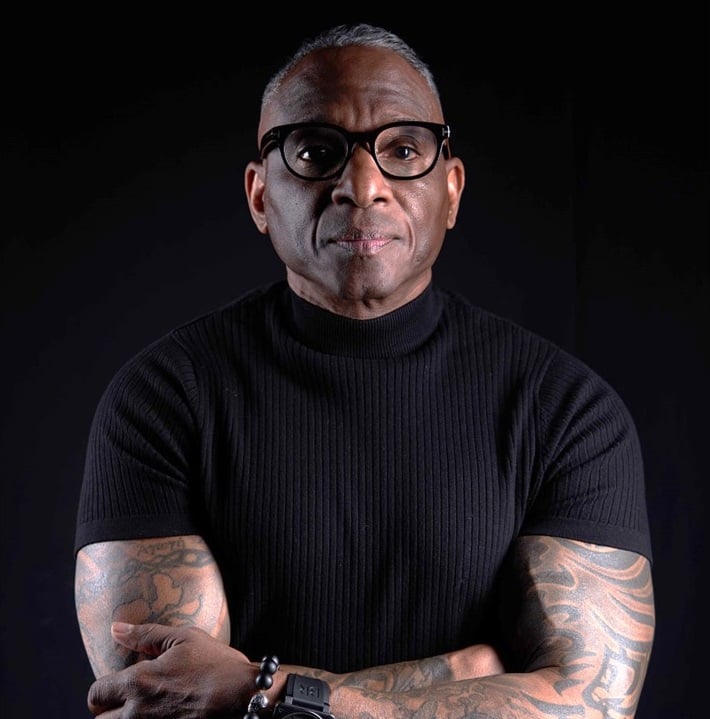
Michael Brown Examines the Rise of “Ghost Networks” in the Narcotics Trade

Oct 2, 2026

This article first appeared on PolicingInsight.com.

Rigaku Analytical Devices' Global Director of Counter-Narcotics Technology, Michael W. Brown, examines how evolving cartel distribution networks are creating new challenges for law enforcement in a recent article published by Policing Insight.

In “Chasing ghosts: How cartels are reshaping the narcotics trade,” Brown describes a shift away from traditional, centralized cartel structures toward decentralized networks of small, semi-autonomous operators, or “micro-cells.” These fragmented networks can handle individual functions such as transportation, storage, recruitment, customer contact, or local distribution while maintaining limited knowledge of the broader organization.

This compartmentalized model can make criminal networks more resilient and significantly more difficult for investigators to map. Disrupting one cell may have little effect on the wider supply chain, while encrypted communications, digital platforms, and increasingly dispersed distribution channels can further complicate efforts to connect local activity with higher-level organizations.

Brown argues that addressing these evolving networks will require a more integrated, intelligence-driven approach. Greater information sharing across agencies and borders, advanced analytics, and emerging technologies such as artificial intelligence can help investigators identify relationships and patterns that may not be visible through individual cases alone.

Field-based presumptive chemical analysis can also contribute valuable information by helping officers rapidly characterize suspected substances encountered during investigations. When combined with location, timing, seizure information, and confirmatory laboratory findings, chemical identification data can help contribute to a broader intelligence picture.

Drawing on more than 32 years of experience with the U.S. Drug Enforcement Administration, Brown explores how law enforcement strategies may need to evolve alongside the criminal networks they are designed to disrupt.

Views expressed in this article are the opinions of the author, and do not necessarily reflect the views of Rigaku Analytical Devices.


Michael W. Brown is the global director of counter-narcotics technology at Rigaku Analytical Devices. He has a distinguished career spanning more than 32 years as a Special Agent for the Drug Enforcement Administration (DEA). He served as the country attaché in India and Myanmar; During his tour in Myanmar, he provided foreign advisory support for counter narcotic enforcement that, to date, has resulted in the interdiction of over US$250 million in precursor chemicals and implementing the regions first use of Raman spectroscopy to degrade the supply chain for narcotics production. He was also part of a special specialized counter narcotics unit operating in the jungles of South America tasked with locating and destroying drug labs and narcotic supply chains. Most recently he was the DEA Headquarters staff coordinator for the Office of Foreign Operations for the Middle East-Europe-Afghanistan-India. Michael is a graduate of the United States Ranger Training Battalion and has a master’s degree in interdisciplinary technology and management from the University of Eastern Michigan.
Contact Us

Whether you're interested in getting a quote, want a demo, need technical support, or simply have a question, we're here to help.