
X-ray Fluorescence Analysis of Liquid Samples without Helium Gas

Yuri Maruko

Winter 2023 Volume 39, No. 1 , 24-28

Helium gas is becoming more difficult to obtain these days due to decreased supply and increased demand. In X-ray fluorescence analysis, helium gas is often used in the analysis of liquid samples, while processing samples as solids is possible under a vacuum. In this article we introduce two liquid sample processing methods for measurements under a vacuum: the droplet method and the oil solidification method. In the droplet method a solution sample is dropped onto a filter paper and dried, and in the oil solidification method an oil sample is mixed with a solidifying agent and solidified.
Highlights

  • Liquid samples can be analyzed without helium gas by converting them into solids using either the droplet method for aqueous solutions or the oil solidification method for oils.
  • Preparing liquid samples as solids enables vacuum measurements while improving the sensitivity for light elements such as sodium and magnesium by eliminating the sample film used in conventional liquid analysis.
  • Appropriate sample preparation significantly reduces helium consumption while maintaining analytical performance, provided the sample type and concentration fall within the applicable ranges for each method.

Summary

Helium shortages have created challenges for wavelength-dispersive X-ray fluorescence (WDXRF) analysis of liquid samples because conventional liquid measurements require a helium atmosphere. An effective alternative is to convert liquid samples into solids, allowing measurements to be performed under vacuum without sacrificing analytical performance.

Two complementary sample preparation approaches address different classes of liquids. The droplet method is intended for aqueous solutions and involves depositing a measured volume onto specialized filter paper before drying. This approach requires only a small sample volume, minimizes the risk of splashing during analysis, and improves detection sensitivity for light elements such as sodium and magnesium because no supporting film attenuates the emitted fluorescence. The method is particularly well suited to dilute aqueous samples but is less appropriate for highly concentrated solutions, organic solvents, surfactants, or samples that crystallize unevenly after drying.

The oil solidification method targets lubricating oils and greases by mixing the sample with a solidifying agent, heating until homogeneous, and molding the mixture into a solid specimen. Besides eliminating the need for helium, this technique prevents sedimentation of suspended wear particles during measurement and can improve the sensitivity of light-element analysis. Standardless fundamental parameter (SQX) analysis can also be applied by accounting for the dilution introduced during sample preparation.

Frequently asked questions

Recommended products

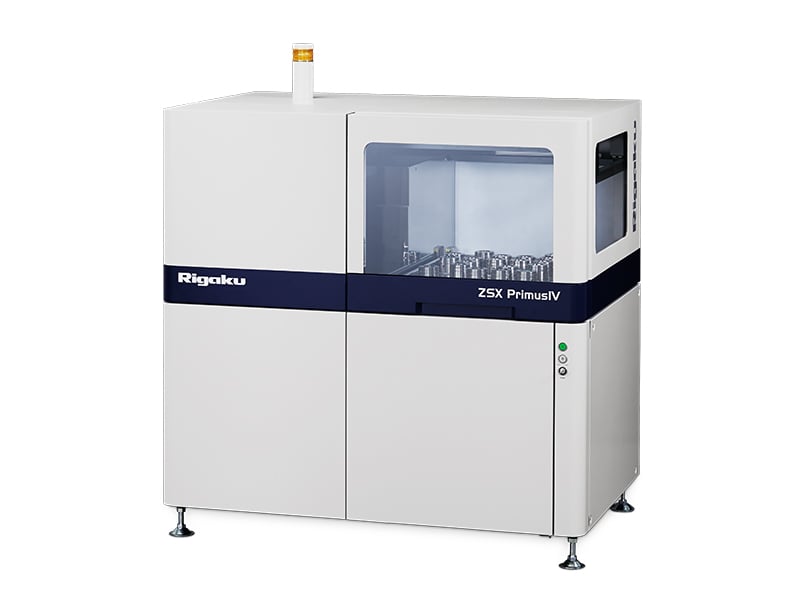
ZSX Primus IV

High-power, tube-above, sequential WDXRF spectrometer with ZSX Guidance expert system software

Learn more
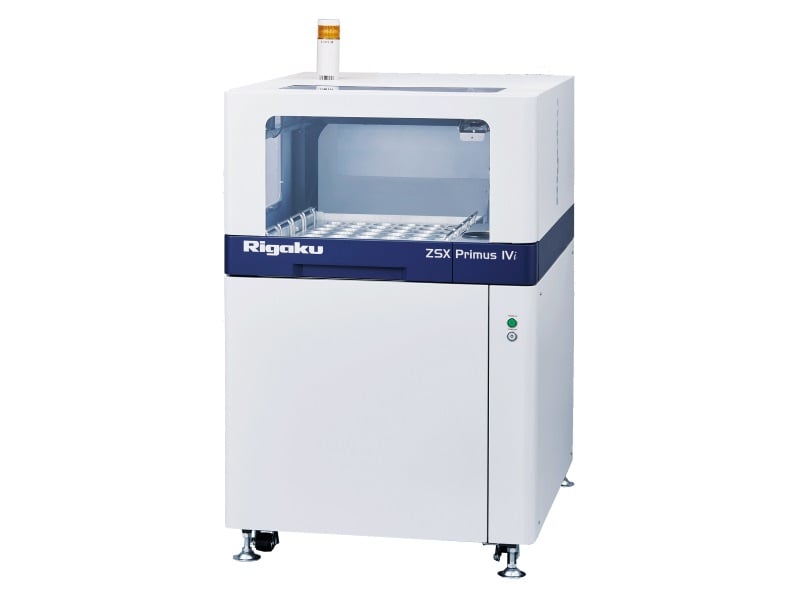
ZSX Primus IV𝒾

High-power, tube-below, sequential WDXRF spectrometer with new ZSX Guidance expert system software

Learn more
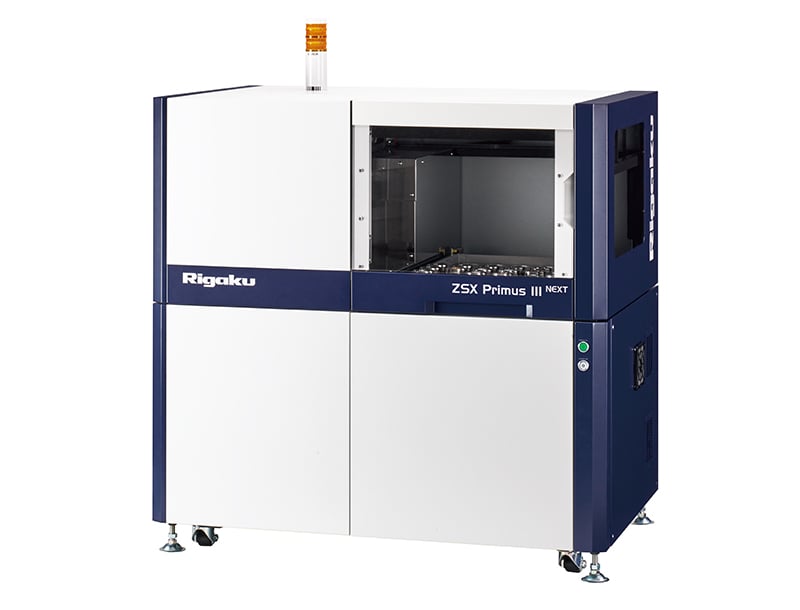
ZSX Primus III NEXT

Affordable, high-end, tube-above Industrial WDXRF for the analysis of solid samples

Learn more

Subscribe to the Bridge newsletter

Stay up to date with materials analysis news and upcoming conferences, webinars and podcasts, as well as learning new analytical techniques and applications.

Contact Us

Whether you're interested in getting a quote, want a demo, need technical support, or simply have a question, we're here to help.