
Join us for a free 45-minute webinar and learn how to achieve accurate, precise quantitative analysis using X-ray fluorescence (XRF). Calibration plays a vital role in ensuring reliable results, particularly when working with varied sample types and challenging matrices.
This session will provide practical guidance on building robust calibrations, improving sample preparation, and implementing strategies that support long-term measurement stability — including both matrix correction techniques and ratio correction methods.
What You’ll Learn:
- The importance of calibration in quantitative XRF
- Differences between empirical and Fundamental Parameter (FP) calibrations
- How to identify and correct matrix effects
- How ratio correction enhances consistency across variable materials
- Best practices for sample preparation across material types
- Selecting Certified Reference Materials and standards
- Creating and validating calibration curves
- Modern XRF software features: drift correction, recalibration, data management
- Common errors and how to avoid them
Who Should Attend?
This webinar is ideal for professionals working in:
- Cement manufacturing
- Quality control laboratories
- Mining laboratories
- Commercial laboratories
- Construction materials
- Steel and industrial processing
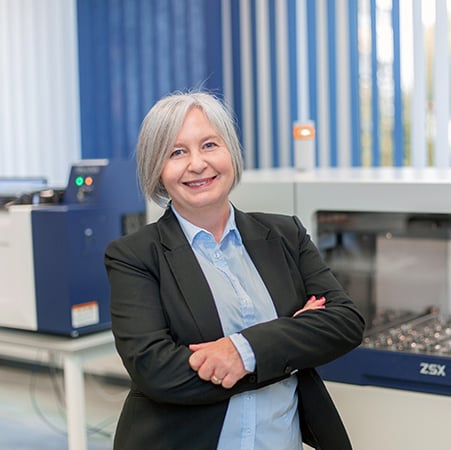
Carmen Kaiser-Brügmann is an analytical chemist with over 23 years of experience specializing in XRF applications. Prior to joining Rigaku, she worked for PPC Cement in South Africa, where she was responsible for reliable analytical data and accurate sample preparation for XRF analysis in various Industrial sites. Carmen is well known for her extensive technical support including demonstrations, feasibility studies, XRF training and method development.
Contact Us
Whether you're interested in getting a quote, want a demo, need technical support, or simply have a question, we're here to help.

Subscribe to the Bridge newsletter
Stay up to date with materials analysis news and upcoming conferences, webinars and podcasts, as well as learning new analytical techniques and applications.