
Batteries
Wavelength dispersive X-ray fluorescence (WDXRF) enables precise control of composition ratios and trace impurities in battery materials. From cathodes and anodes to electrolytes and raw materials, it supports reliable performance from R&D through mass production.

.jpg?width=800&name=ZSX%20Primus%20IV%20(1200).jpg)
ZSX Primus IV
The ideal system for battery material R&D and mass-production quality control, providing precise management of Ni/Co/Mn ratios in cathode materials and highly sensitive detection of trace metallic impurities in graphite and silicon anodes.
Learn more >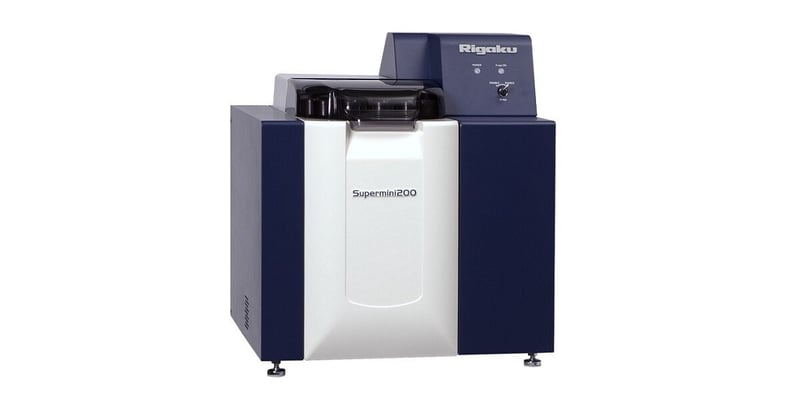
Supermini200
A compact WDXRF spectrometer capable of multi-element analysis of battery materials. Well suited for routine composition checks and impurity monitoring in R&D laboratories and QC lines.
Learn more >
Contact Us
Whether you're interested in getting a quote, want a demo, need technical support, or simply have a question, we're here to help.