Sample Preparation for X-ray Fluorescence Analysis VII.

Liquid samples

Takao Moriyama and Atsushi Morikawa

Winter 2017 Volume 33, No. 1 , 24-29

We have discussed about the feature of X-ray fluorescence analysis (XRF) which is quick and nondestructive analysis of liquid, solid and powder sample in the previous issues. In this paper, analysis examples of liquid samples are shown. Careful attention is required for handling of liquid sample, because there are many kinds of liquids such as water solution, organic solvent, oil, etc., and each one has various kinds of properties such as acid, alkaline, etc. In this issue, analysis method for liquid samples by wavelength dispersive X-ray fluorescence analysis spectrometer (WDX) is discussed.

Highlights

  • Liquid XRF samples can be analyzed either directly in a film-covered sample cell or by drying a measured droplet on specialized filter paper.
  • Sample-film selection is critical because chemical resistance, X-ray transmission, irradiation durability, and elemental impurities vary substantially among polypropylene, polyester, polyimide, Mylar, and Prolene films.
  • The droplet method enables sensitive measurement of light and trace elements because dried samples can be analyzed under vacuum without an X-ray-absorbing sample film.

Summary

Liquid samples require special preparation for wavelength-dispersive X-ray fluorescence (WDXRF) because their chemical properties, volatility, and interaction with sample films can affect both analytical results and instrument safety. Two principal approaches are the liquid method, in which the sample is measured directly through a thin polymer film, and the droplet method, in which a controlled volume of solution is deposited on filter paper, dried, and analyzed.

For direct liquid analysis, the sample film must be selected according to the sample composition and analytical requirements. Polypropylene is generally well suited to acidic and alkaline solutions, while polyester is commonly used for lubricating and fuel oils. Film thickness and composition affect X-ray transmission, particularly for long-wavelength X-rays from light elements. Films can also contain Si, P, Ca, Al, and other elements as additives, potentially contributing interfering X-ray signals. Film impurities should therefore be evaluated using blanks, particularly when these elements are analytical targets.

Chemical compatibility and resistance to X-ray irradiation are also important. Primary X-rays can weaken polymer films, and thinner films generally have lower irradiation durability. Polyimide provides relatively high X-ray durability, followed by Mylar and polypropylene. Film failure can scatter liquid inside the spectrometer and cause serious damage, making preliminary compatibility testing especially important for acids, alkalis, organic solvents, volatile liquids, and unfamiliar samples. Measurement time and X-ray power should be minimized where necessary, and primary beam filters or thicker films can reduce the risk of failure.

The droplet method eliminates the sample film by depositing and drying a measured amount of solution on filter paper. This permits vacuum measurement and improves sensitivity for light elements such as B, F, Na, and Mg. Specialized supports such as MicroCarry and UltraCarry improve reproducibility and sensitivity, while UltraCarry Light reduces background contamination from light elements. UltraCarry can also support measurements at several tens of ppb when the solution is concentrated before analysis. Accurate pipetting, controlled drying, avoidance of crystallization, and blank correction for filter impurities are important for reliable results.

Frequently asked questions

Recommended products

OXIDE-FB-PAK

Pre-calibrated package to quantitatively analyze a wide range of oxides in minerals and geological samples

Learn more
GEO-TRACE-PAK

Pre-calibrated package for quantitatively analyzing tracing elements and major oxides in minerals and geological samples

Learn more
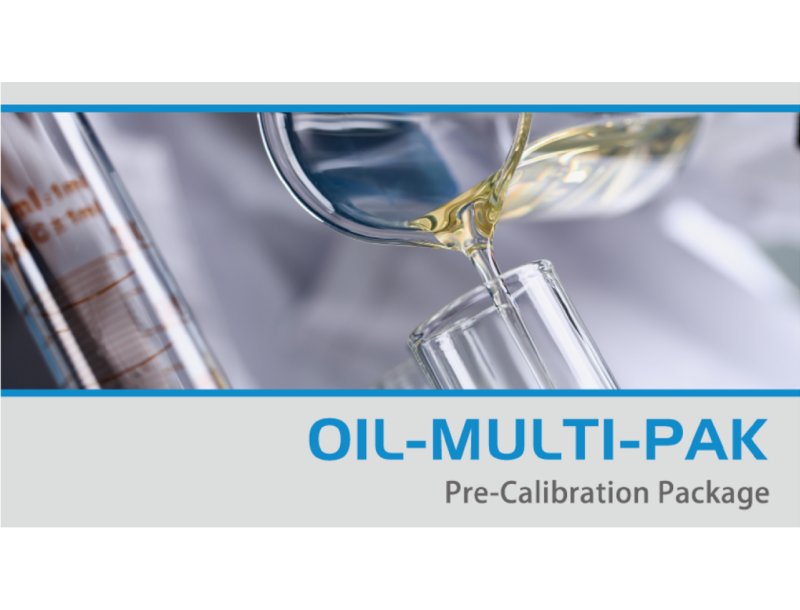
OIL-MULTI-PAK

Pre-calibrated package for multi-element analysis of lubricants using liquid analysis

Learn more
ZSX Primus IV

High-power, tube-above, sequential WDXRF spectrometer with ZSX Guidance expert system software

Learn more
ZSX Primus III NEXT

Affordable, high-end, tube-above Industrial WDXRF for the analysis of solid samples

Learn more
ZSX Primus IV𝒾

High-power, tube-below, sequential WDXRF spectrometer with new ZSX Guidance expert system software

Learn more
Supermini200

Benchtop tube below sequential WDXRF spectrometer analyzes O through U in solids, liquids and powders

Learn more
Simultix 15

High-throughput, tube-above, multi-channel simultaneous WDXRF spectrometer analyzes Be through U

Learn more
ZSX Primus400

WDXRF spectrometer designed to handle very large and/or heavy samples

Learn more
Micro-Z ULS

WDXRF ultralow sulfur analyzer for method ASTM D2622

Learn more
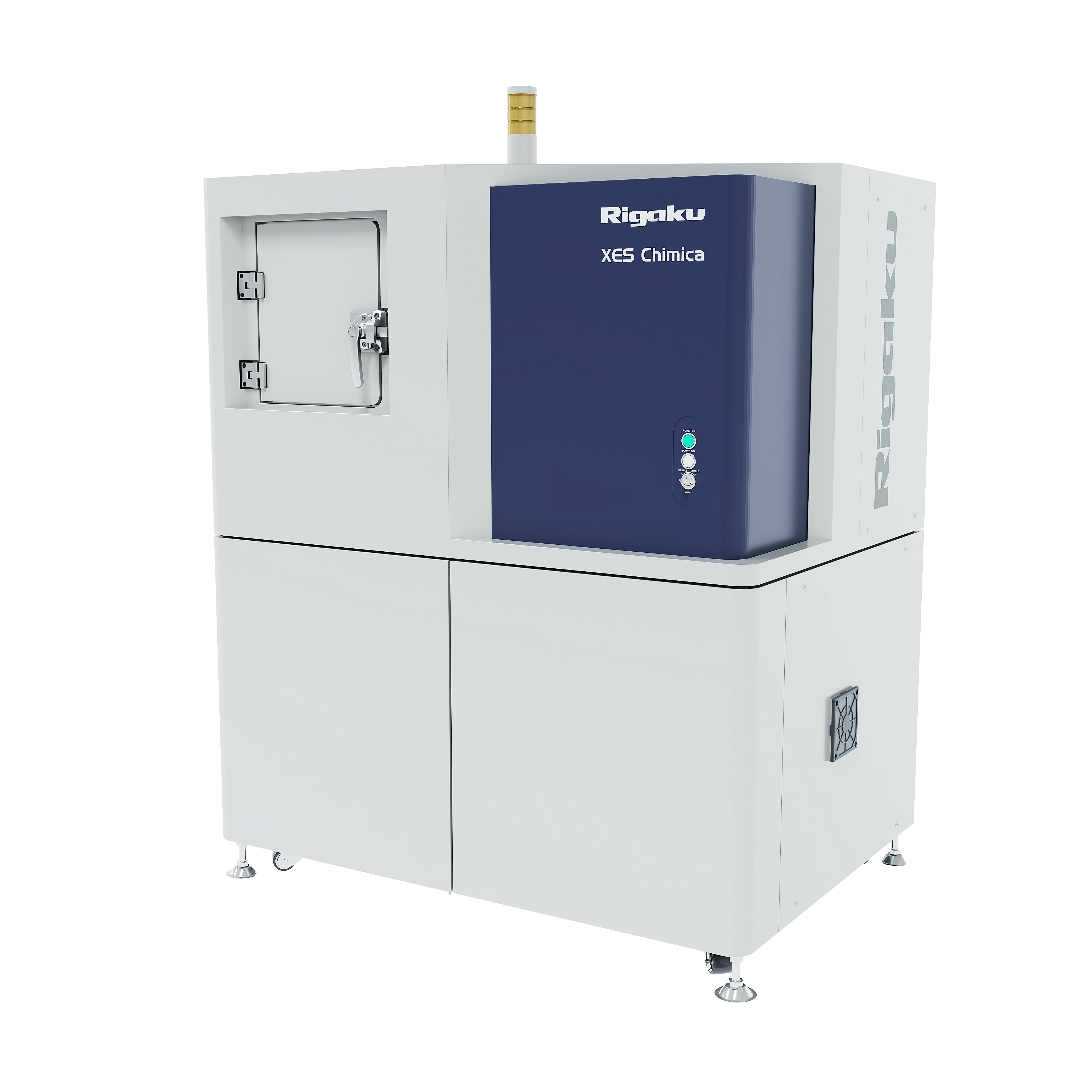
XES Chimica

X-ray emission spectrometer that enables quantitative analysis of the chemical states of elements

Learn more

Rigaku Automation Interface

Open Python orchestration interface for seamless integration and safe testing

Learn more


LabLinc Studio

Close Your AI discovery loop with LabLinc Studio

Learn more

Subscribe to the Bridge newsletter

Stay up to date with materials analysis news and upcoming conferences, webinars and podcasts, as well as learning new analytical techniques and applications.
Contact Us

Whether you're interested in getting a quote, want a demo, need technical support, or simply have a question, we're here to help.