
Sample Preparation for X-ray Fluorescence Analysis V.
Fusion bead method—part 2: practical applications
Mitsuru Watanabe
Winter 2016 Vol.32 No.1 , 17-21
The general preparation method of fusion bead, equipment, reagents and other important considerations were described in the previous article “Sample preparation for X-ray fluorescence analysis IV Fusion bead method—part 1 basic principles.” In this article, the preparation methods of various applications such as ferroalloy, sulfide and carbide are described.
Conventionally, these samples had been prepared as fusion beads after they were oxidized completely by mixing with a strong acid followed by drying. However, raising the temperature of the strong acids such as nitric acid degrades the working environment and the surrounding equipment corrodes due to its oxidizing power. Therefore, it has been necessary to work in a well-ventilated environment.
In the preparation method described here, oxidation reaction progresses slowly in the platinum crucible by oxidizing agent or oxidation catalyst without the use of strong acids. Thus it is possible to prepare fusion beads in a short time in a conventional environment. It should be noted that the described procedure assumes that grain size of the powder samples and the drying temperature of the samples and reagents are those for common fusion bead preparation methods.
If the grain size of the sample is coarse and the fusion bead is prepared without spreading the flux on the bottom of the platinum crucible, the sample will be oxidized insufficiently and form an alloy with the platinum in the crucible and cause irreversible damage. In this case, recasting of crucible may be required. For this reason, it is necessary to perform sample preparation carefully. Other additional analytical considerations regarding measurement of fusion bead are described at the end.
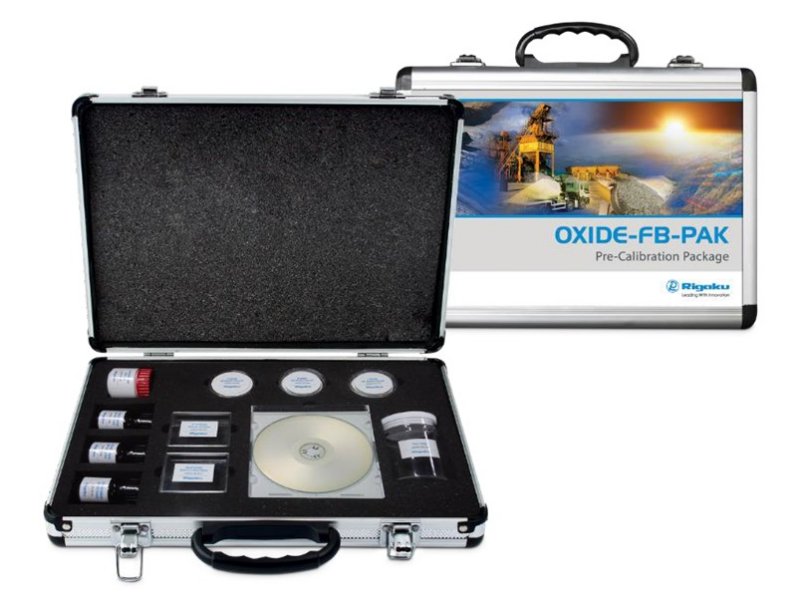
OXIDE-FB-PAK
Pre-calibrated package to quantitatively analyze a wide range of oxides in minerals and geological samples
Learn more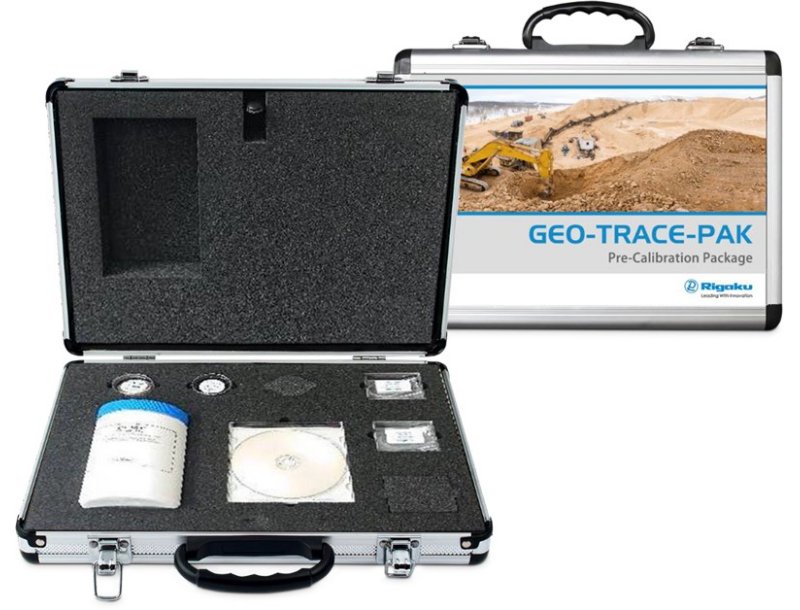
GEO-TRACE-PAK
Pre-calibrated package for quantitatively analyzing tracing elements and major oxides in minerals and geological samples
Learn more
OIL-MULTI-PAK
Pre-calibrated package for multi-element analysis of lubricants using liquid analysis
Learn more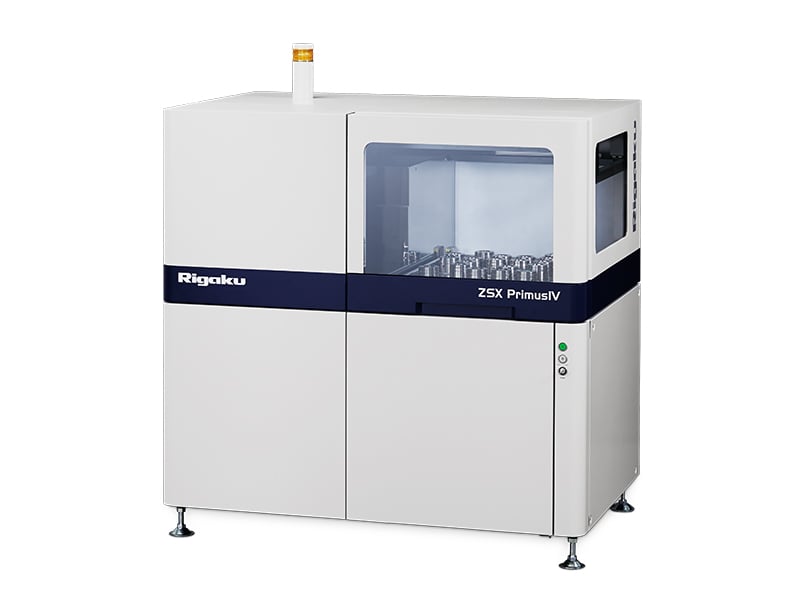
ZSX Primus IV
High-power, tube-above, sequential WDXRF spectrometer with ZSX Guidance expert system software
Learn more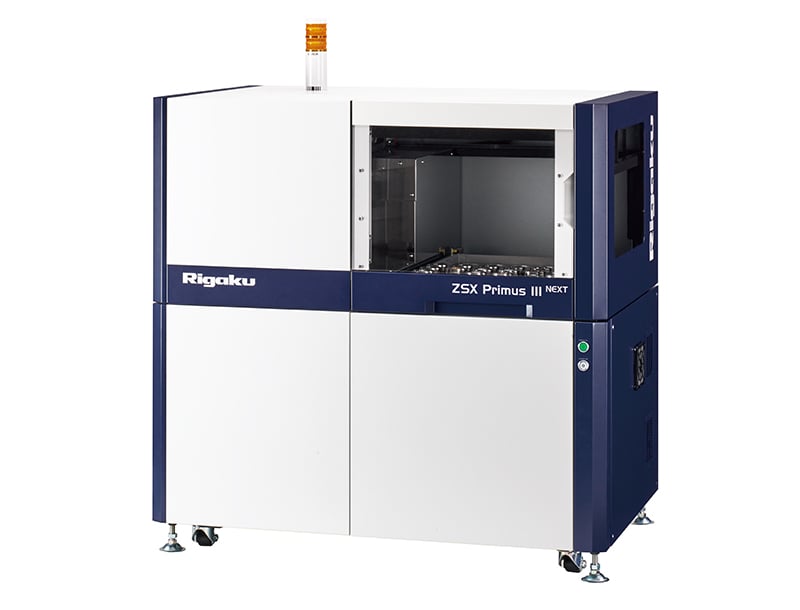
ZSX Primus III NEXT
Affordable, high-end, tube-above Industrial WDXRF for the analysis of solid samples
Learn more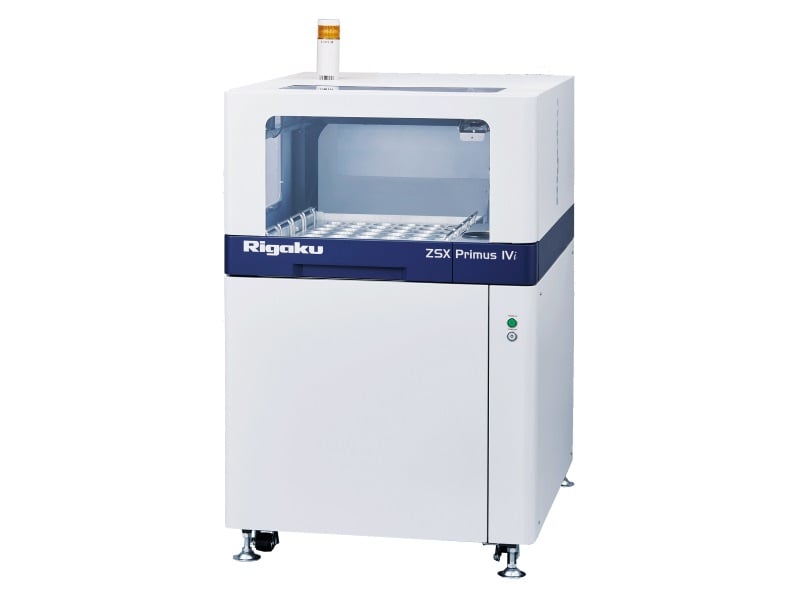
ZSX Primus IV𝒾
High-power, tube-below, sequential WDXRF spectrometer with new ZSX Guidance expert system software
Learn more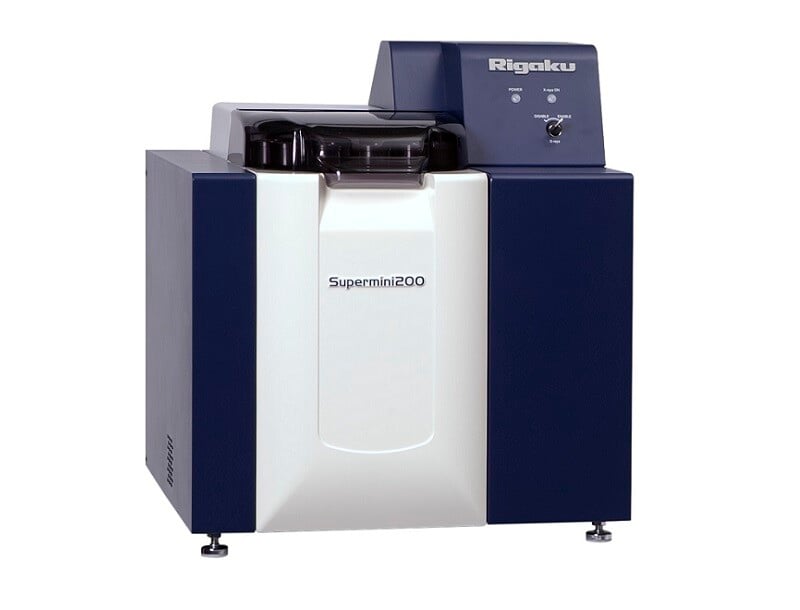
Supermini200
Benchtop tube below sequential WDXRF spectrometer analyzes O through U in solids, liquids and powders
Learn more
Simultix 15
High-throughput, tube-above, multi-channel simultaneous WDXRF spectrometer analyzes Be through U
Learn more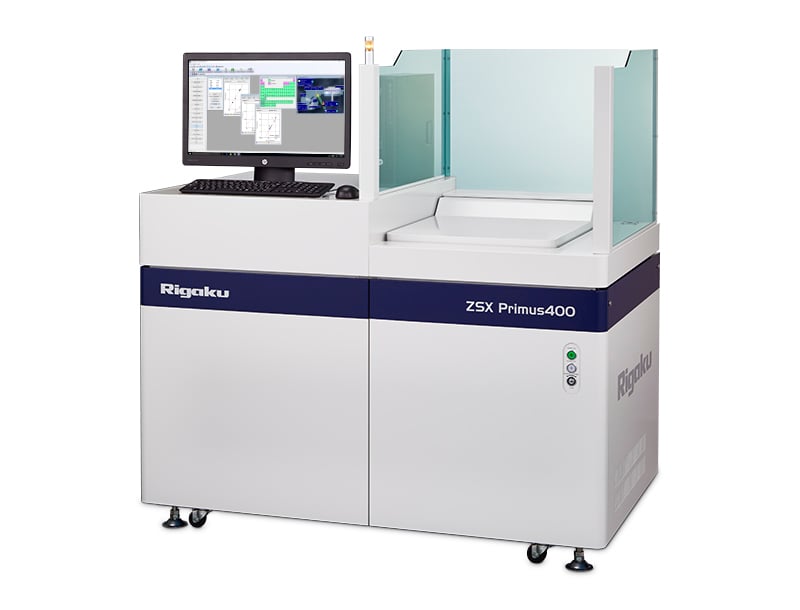

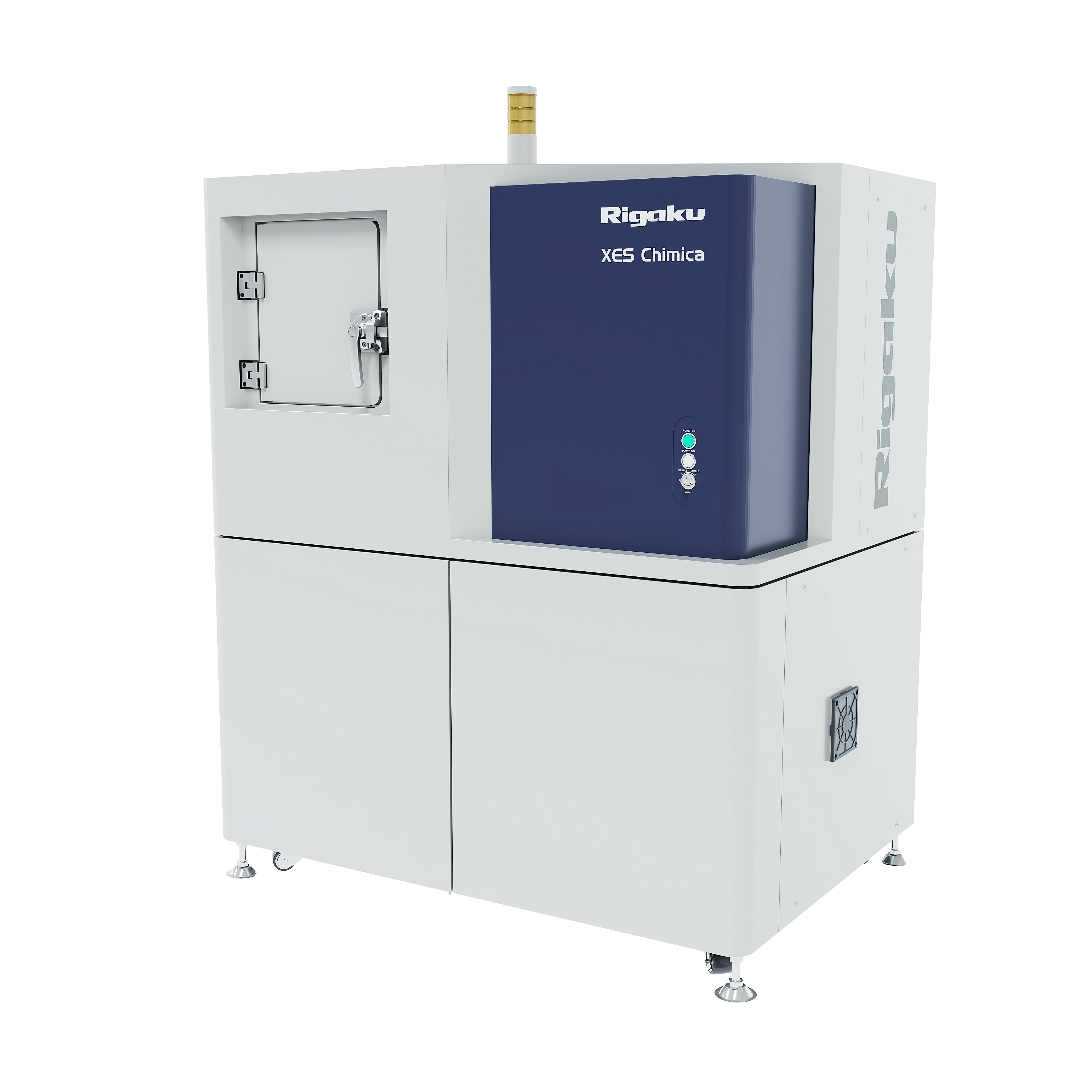
XES Chimica
X-ray emission spectrometer that enables quantitative analysis of the chemical states of elements
Learn more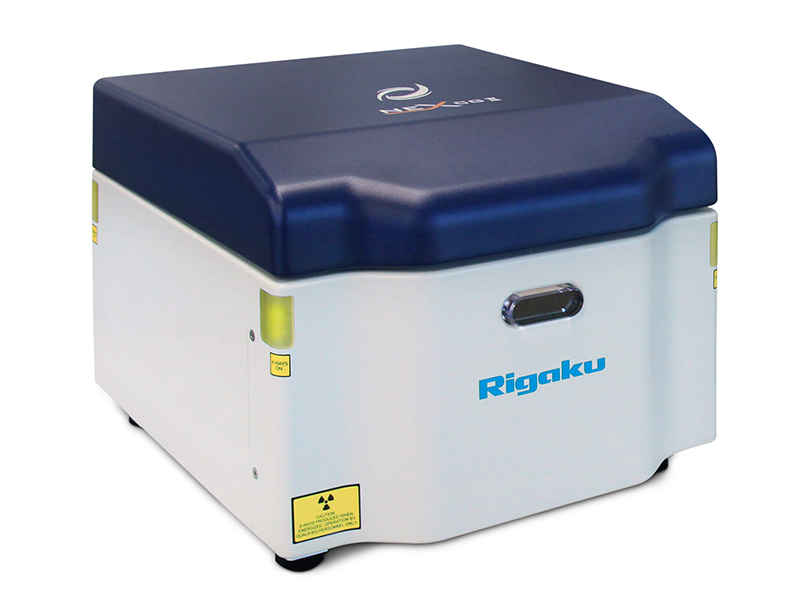
NEX CG II Series
High-performance indirect excitation EDXRF for complex applications with trace elements and variable base matrices
Learn more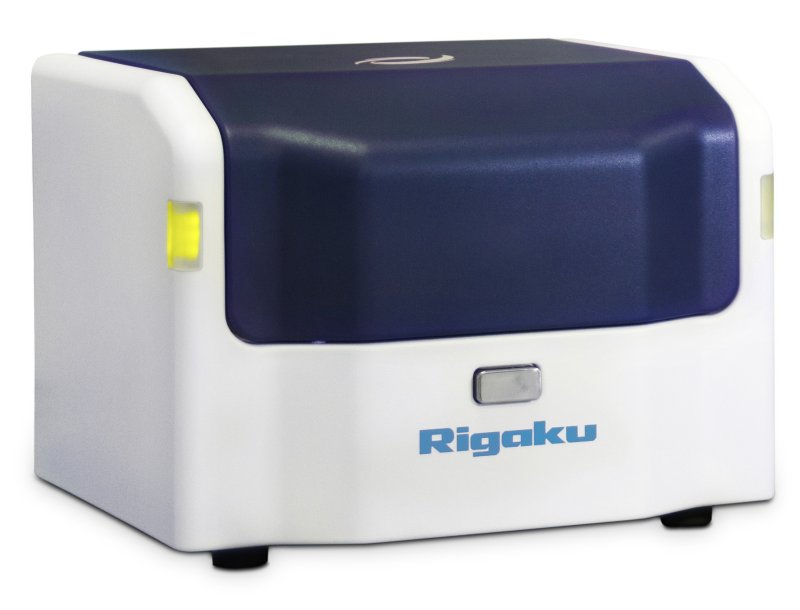
NEX DE Series
High-power 60 kV EDXRF systems delivering speed, precision, and small spot measurements
Learn more

Rigaku Automation Interface
Open Python orchestration interface for seamless integration and safe testing
Learn more

Subscribe to the Bridge newsletter
Stay up to date with materials analysis news and upcoming conferences, webinars and podcasts, as well as learning new analytical techniques and applications.

Contact Us
Whether you're interested in getting a quote, want a demo, need technical support, or simply have a question, we're here to help.