Sample Preparation for X-ray Fluorescence Analysis I.

Outline of sample preparation

Yasujiro Yamada

Winter 2014 Volume 30, No. 1 , 26-29

XRF (X-ray fluorescence) analysis as a technique is widely used in academia, research and development and industry as an analysis tool for the determination of elemental composition of materials. Unlike wet chemical and other instrumental techniques which require the use of hazardous chemicals and difficult preparation methods to dissolve samples for analysis purposes, the quick, accurate, sensitive non-destructive analysis technique of XRF makes it attractive as an analytical technique, this coupled with the fact that it can be used by non-technical users and does not require expert knowledge and high skill levels to produce good, reliable, reproducible analytical data. XRF is considered to be less labor intensive and more environmentally friendly that the aforementioned methods.

XRF has many advantageous features as mentioned above but all of these features rely on a good sample to present to the XRF system.

It would not be an over statement to say that XRF analysis data quality is directly linked to the quality of the sample preparation technique.

A series of articles designed to cover all aspects of sample preparation for XRF will appear in the journal over the course of the next several months.
Highlights

  • XRF data quality depends strongly on sample preparation; even a capable instrument cannot compensate for a poorly prepared or nonrepresentative sample.
  • Metal samples generally require a flat, ground surface with surface roughness comparable to the calibration standards, especially when measuring light elements or performing high-precision analysis.
  • Powder samples are particularly susceptible to mineralogical, segregation, and grain-size effects. Pulverization reduces these sources of error, while fusion can eliminate heterogeneity by converting the powder into a uniform glass bead.
  • Liquid samples can be measured directly through a sample film or prepared using micro-droplet and concentration methods when greater sensitivity is required.

Summary

X-ray fluorescence (XRF) is a technique for determining the elemental composition of materials. It offers several practical advantages over many wet-chemical methods because analysis can be fast, sensitive, nondestructive, and relatively easy to perform without hazardous sample-dissolution procedures. However, obtaining reliable XRF results depends heavily on how the sample is prepared.

Sample preparation differs for metals, powders, and liquids. Metal samples are normally ground or machined to remove surface contamination and elemental segregation and to provide a flat surface. Hard metals such as iron and steel can be prepared using a belt sander or grinder, while softer materials such as copper and aluminum alloys can be machined with a lathe or milling machine. Surface roughness affects measured X-ray intensity, particularly for lighter elements, so samples and calibration standards should have comparable surface finishes.

Powders introduce additional complications because the material may not be uniform at the microscopic level. Three important sources of error are mineralogical effects, segregation, and grain-size effects. Pulverizing the material and pressing it into a pellet reduces some of these problems. When greater uniformity is required, the powder can instead be mixed with a flux and heated to approximately 1000–1200°C to form a homogeneous glass disk called a fusion bead. Fusion eliminates heterogeneity effects, although dilution by the flux reduces sensitivity for trace elements.

Liquids can be poured directly into a sample cell fitted with a thin film. Alternatively, a controlled amount can be deposited on a filter or specialized carrier and dried. This micro-droplet approach allows measurement without a sample film and can improve sensitivity for light elements such as Mg, Na, and F. Trace metals in aqueous solutions can also be chemically concentrated, collected on a filter, dried, and measured.

XRF sample preparation is not simply a preliminary handling step. The preparation method determines how representative and uniform the material presented to the X-ray beam will be and therefore has a direct effect on the accuracy and reproducibility of the measurement.

Frequently asked questions

Recommended products

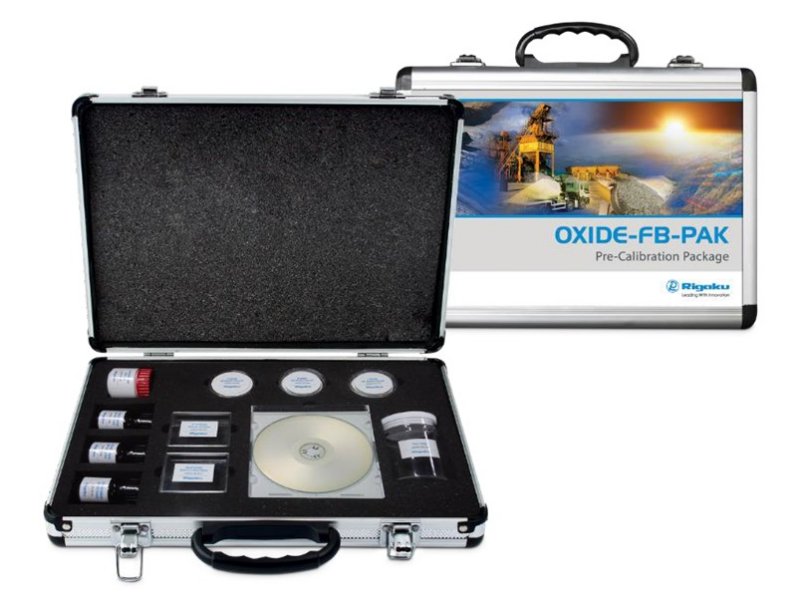
OXIDE-FB-PAK

Pre-calibrated package to quantitatively analyze a wide range of oxides in minerals and geological samples

Learn more
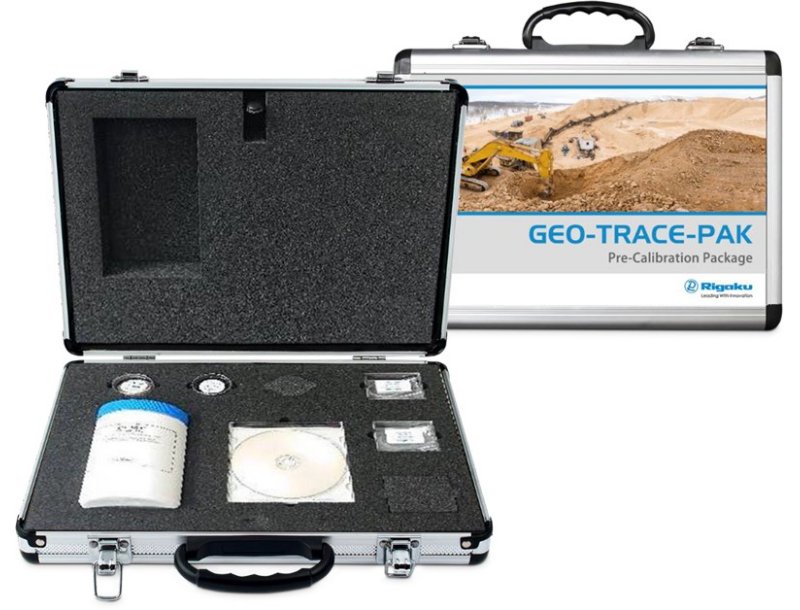
GEO-TRACE-PAK

Pre-calibrated package for quantitatively analyzing tracing elements and major oxides in minerals and geological samples

Learn more
OIL-MULTI-PAK

Pre-calibrated package for multi-element analysis of lubricants using liquid analysis

Learn more
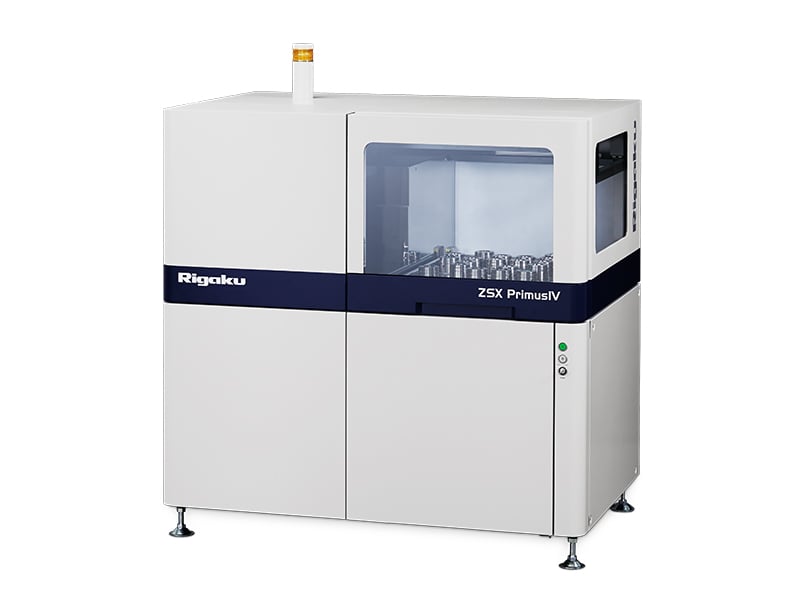
ZSX Primus IV

High-power, tube-above, sequential WDXRF spectrometer with ZSX Guidance expert system software

Learn more
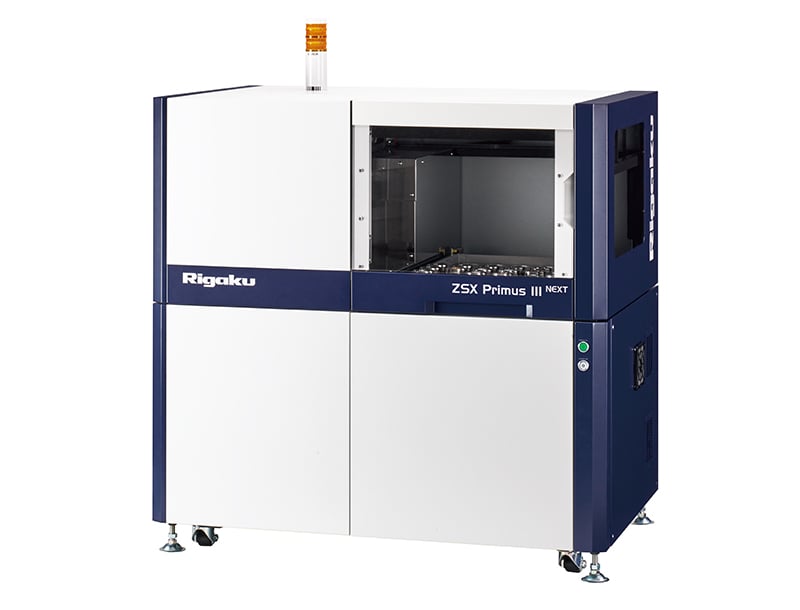
ZSX Primus III NEXT

Affordable, high-end, tube-above Industrial WDXRF for the analysis of solid samples

Learn more
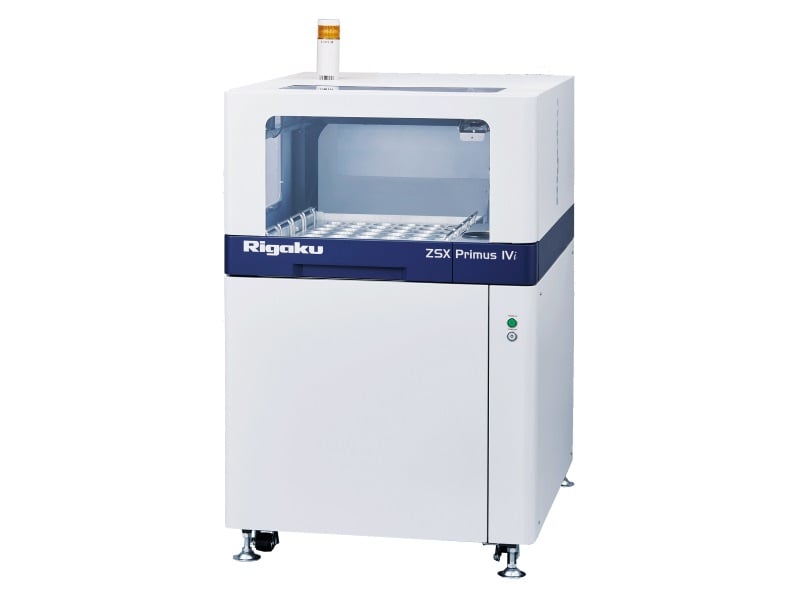
ZSX Primus IV𝒾

High-power, tube-below, sequential WDXRF spectrometer with new ZSX Guidance expert system software

Learn more
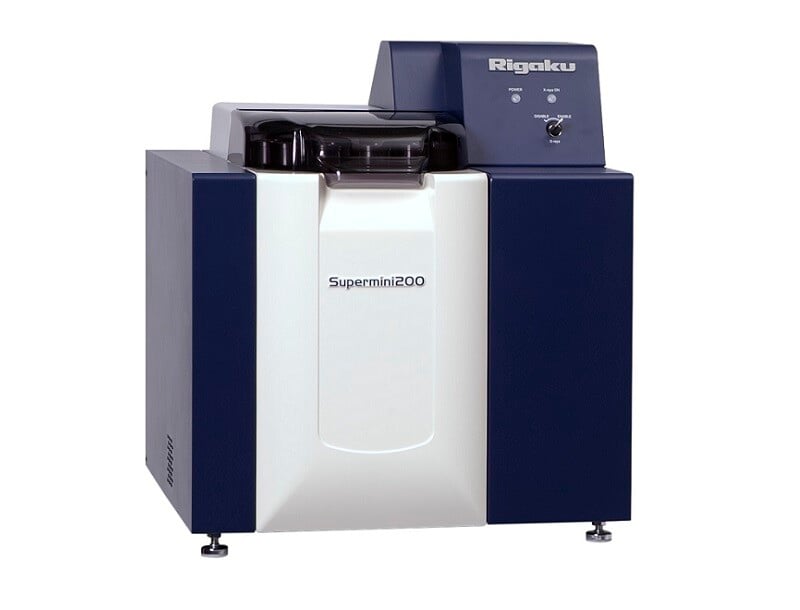
Supermini200

Benchtop tube below sequential WDXRF spectrometer analyzes O through U in solids, liquids and powders

Learn more
Simultix 15

High-throughput, tube-above, multi-channel simultaneous WDXRF spectrometer analyzes Be through U

Learn more
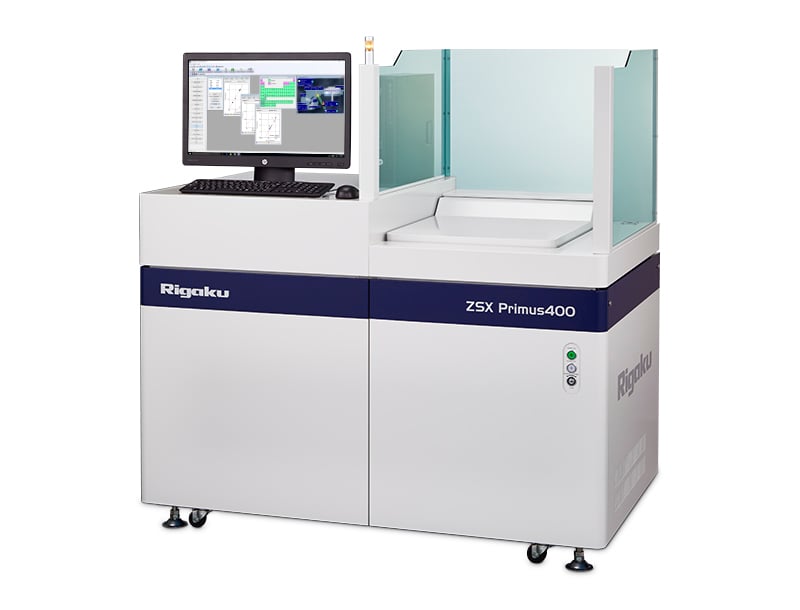
ZSX Primus400

WDXRF spectrometer designed to handle very large and/or heavy samples

Learn more
Micro-Z ULS

WDXRF ultralow sulfur analyzer for method ASTM D2622

Learn more
XES Chimica

X-ray emission spectrometer that enables quantitative analysis of the chemical states of elements

Learn more
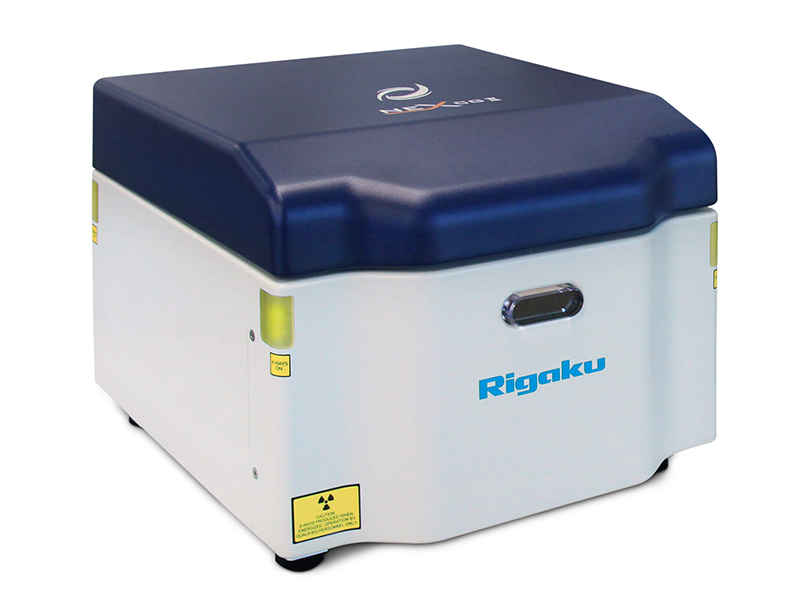
NEX CG II Series

High-performance indirect excitation EDXRF for complex applications with trace elements and variable base matrices

Learn more
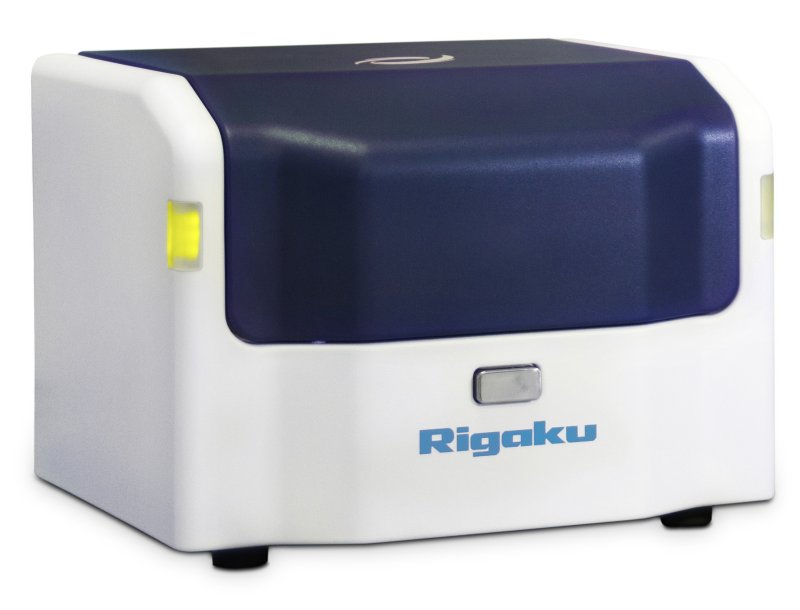
NEX DE Series

High-power 60 kV EDXRF systems delivering speed, precision, and small spot measurements

Learn more
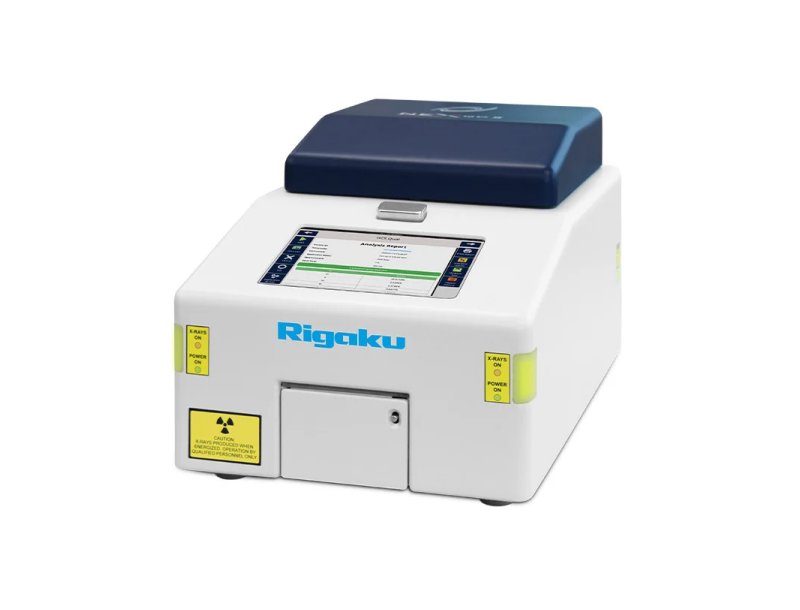

NEX QC II Series

Compact, intuitive benchtop EDXRF for everyday elemental testing

Learn more
Rigaku Automation Interface

Open Python orchestration interface for seamless integration and safe testing

Learn more


LabLinc Studio

Close Your AI discovery loop with LabLinc Studio

Learn more

Subscribe to the Bridge newsletter

Stay up to date with materials analysis news and upcoming conferences, webinars and podcasts, as well as learning new analytical techniques and applications.

Contact Us

Whether you're interested in getting a quote, want a demo, need technical support, or simply have a question, we're here to help.