Sample Preparation for X-ray Fluorescence Analysis III.

Pressed and loose powder methods

Gakuto Takahashi

Winter 2015 Volume 31, No. 1 , 26-30

There are two main sample preparation techniques for measurement of powders with XRF—pressed and loose powder methods—neither requiring any chemical processes. In either case the proper sample preparation and accessories need to be selected to prevent breakage of the pressed powder during measurement. When a thin film for analysis surface (hereafter “sample film”) or a binder is used, it is recommended to select the proper sample preparation method to minimize analysis errors of target elements. This note describes key points and considerations for sample preparation by pressed and loose powder methods. In addition, sample preparation technique for the analysis of small quantities of powder sample is introduced.
Highlights

  • Pressed powder preparation generally provides better reproducibility than loose powder preparation, but pellet density, pressure, binder selection, and contamination control can significantly affect XRF results.
  • Loose powder methods allow difficult-to-pellet samples to be measured and recovered, but sample films reduce X-ray intensity and can make light-element analysis impractical.
  • Specialized preparation methods extend XRF to very small powder quantities, including double-pellet, embedded-pellet, and dedicated sample-cell approaches for samples down to about 100 mg or less.

Summary

Powder samples for X-ray fluorescence analysis can be prepared using pressed or loose powder methods without chemical treatment. The appropriate method depends on sample characteristics, available quantity, target elements, required precision and accuracy, and whether the sample must be recovered after measurement.

For pressed powder preparation, the powder is loaded into a ring or cup and compressed using flat or cylinder-type dies. Sufficient pulverization improves pellet formation, while binders can be added when powders are difficult to pelletize. Binder purity and mixing are important because contamination or variations in the sample-to-binder ratio can introduce analytical errors. Typical sample-to-binder ratios are 10:1 or 10:2.

Pelletization pressure also affects XRF intensity because increasing pressure increases sample density. X-ray intensity eventually reaches a saturation region, so maintaining constant sample quantity and pressure—and preferably operating where intensity has saturated—improves preparation reproducibility. Ring material should also be matched to the expansion behavior of the sample after pressure release. Gradual pressurization with intermediate pressure releases can help remove trapped air and prevent cracking or flaking.

Contamination can arise from material remaining on die surfaces or from rings and cups during repelletization. Cleaning dies between samples, preparing lower-concentration samples first, and using polypropylene or polyester films between the powder and die can reduce these problems.

Loose powder preparation is useful for materials such as graphite and mica that are difficult to pelletize or when the sample must be recovered for subsequent analysis. Its preparation reproducibility is generally poorer than that of pressed pellets. The film covering the powder also attenuates X-rays, with particularly severe effects for light elements from boron through fluorine. Film integrity must be considered during vacuum measurements because breakage can contaminate the instrument.

Small quantities can be handled through specialized techniques. Double and embedded pellets use cellulose or boric acid support pellets, while dedicated cells permit vacuum analysis of quantities around 100 mg without pelletization.

Frequently asked questions

Recommended products

OXIDE-FB-PAK

Pre-calibrated package to quantitatively analyze a wide range of oxides in minerals and geological samples

Learn more
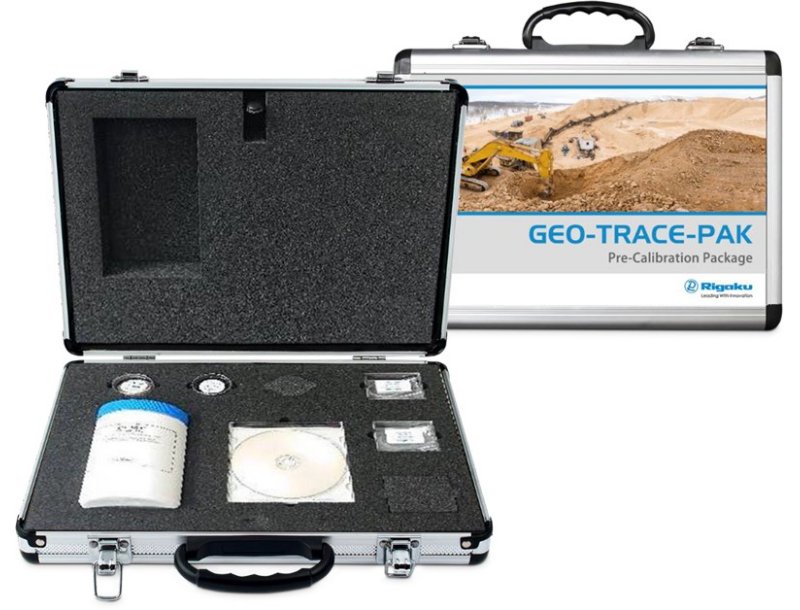
GEO-TRACE-PAK

Pre-calibrated package for quantitatively analyzing tracing elements and major oxides in minerals and geological samples

Learn more
OIL-MULTI-PAK

Pre-calibrated package for multi-element analysis of lubricants using liquid analysis

Learn more
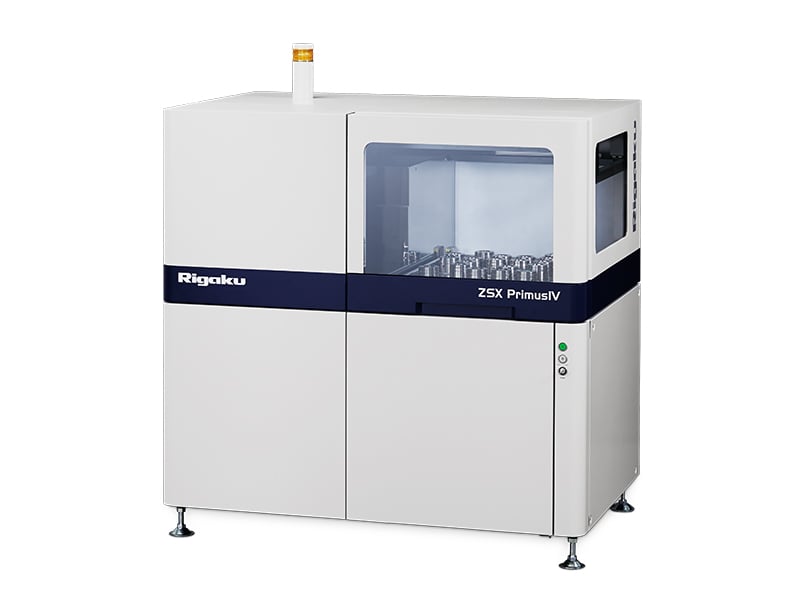
ZSX Primus IV

High-power, tube-above, sequential WDXRF spectrometer with ZSX Guidance expert system software

Learn more
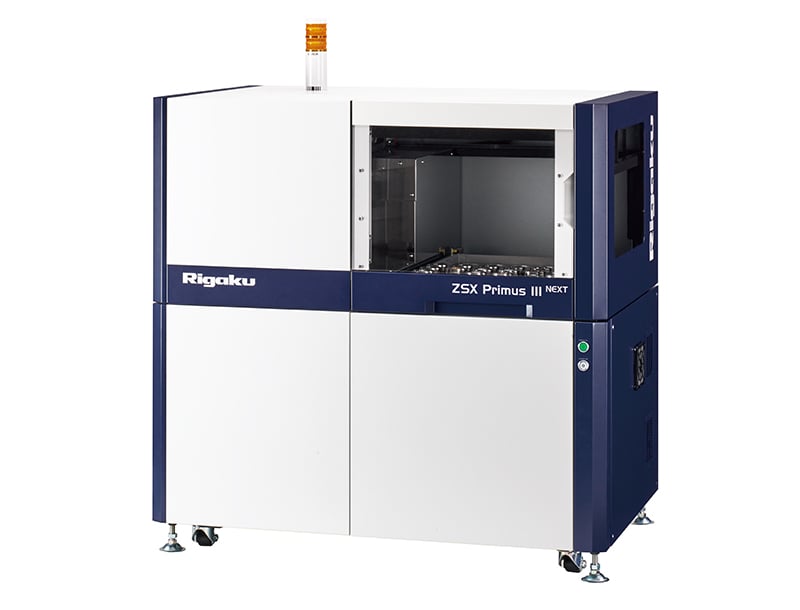
ZSX Primus III NEXT

Affordable, high-end, tube-above Industrial WDXRF for the analysis of solid samples

Learn more
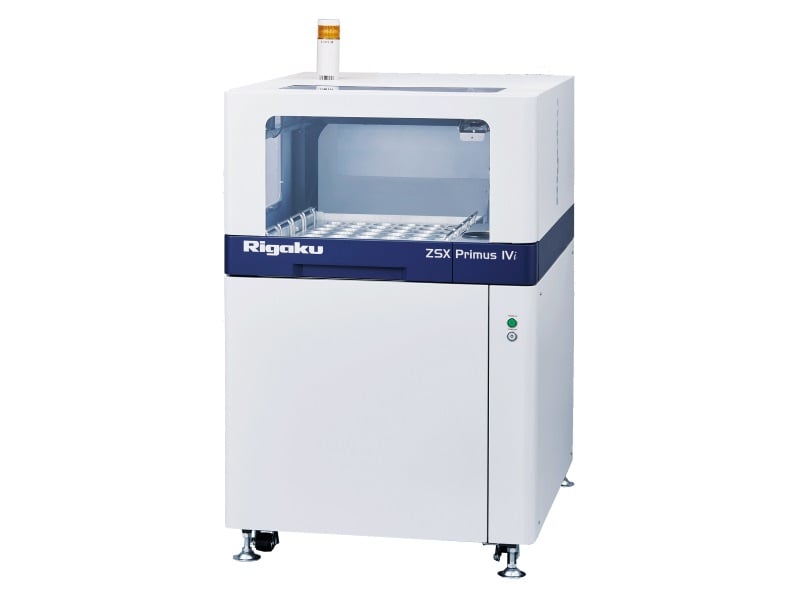
ZSX Primus IV𝒾

High-power, tube-below, sequential WDXRF spectrometer with new ZSX Guidance expert system software

Learn more
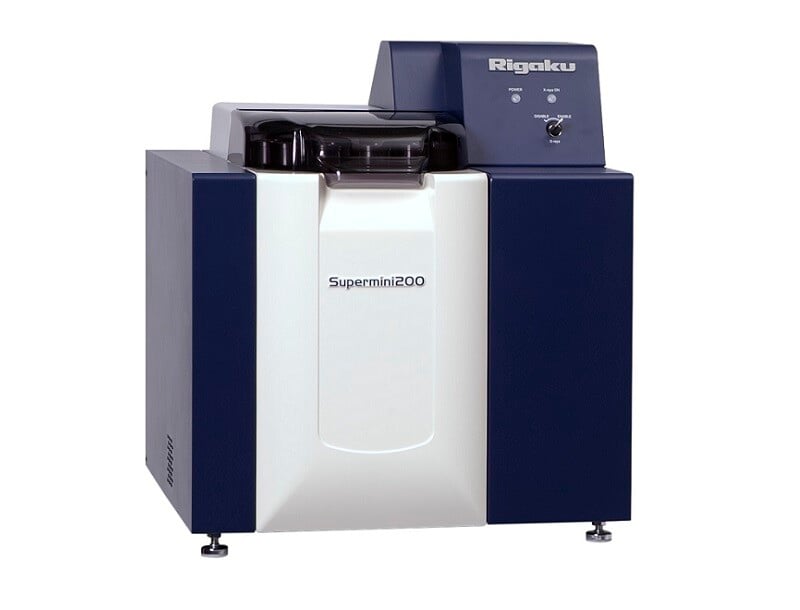
Supermini200

Benchtop tube below sequential WDXRF spectrometer analyzes O through U in solids, liquids and powders

Learn more
Simultix 15

High-throughput, tube-above, multi-channel simultaneous WDXRF spectrometer analyzes Be through U

Learn more
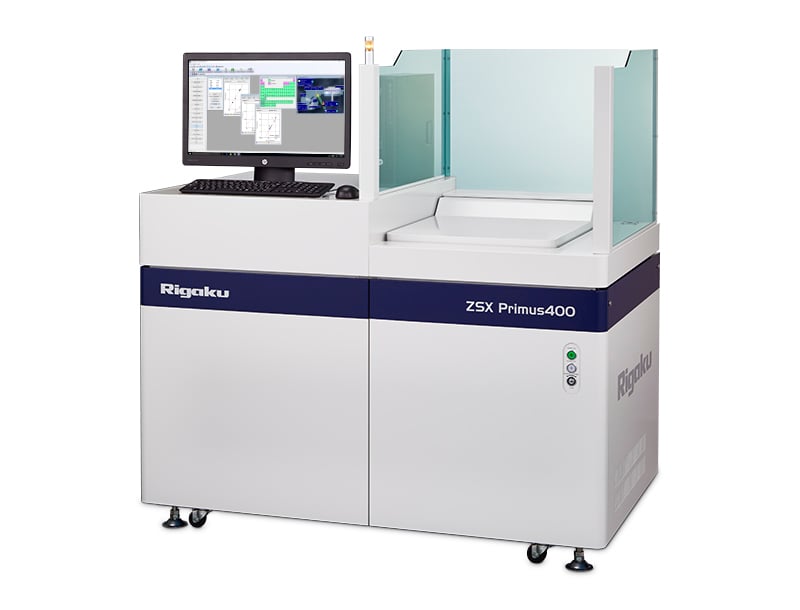
ZSX Primus400

WDXRF spectrometer designed to handle very large and/or heavy samples

Learn more
Micro-Z ULS

WDXRF ultralow sulfur analyzer for method ASTM D2622

Learn more
XES Chimica

X-ray emission spectrometer that enables quantitative analysis of the chemical states of elements

Learn more
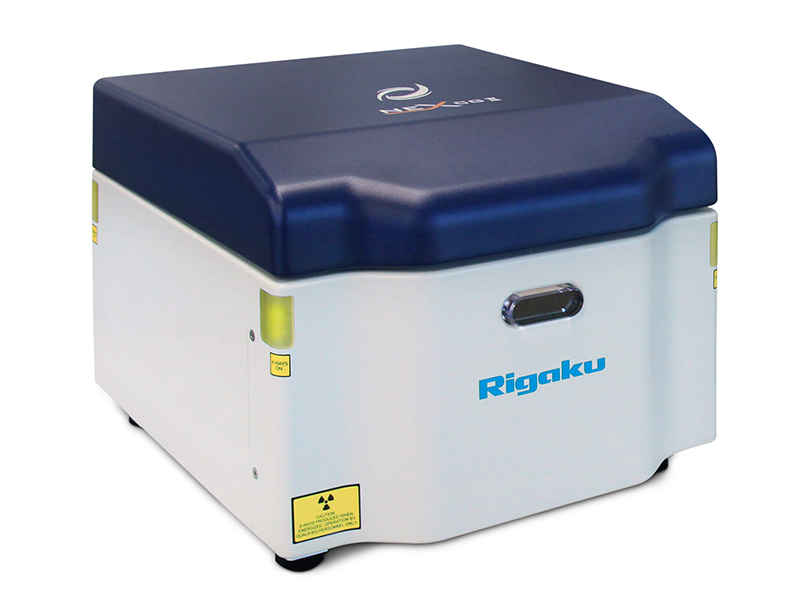
NEX CG II Series

High-performance indirect excitation EDXRF for complex applications with trace elements and variable base matrices

Learn more
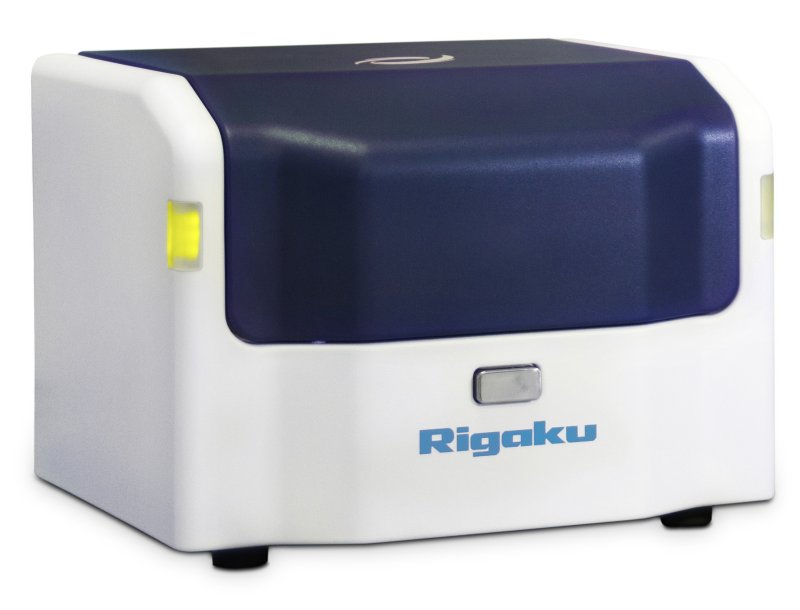
NEX DE Series

High-power 60 kV EDXRF systems delivering speed, precision, and small spot measurements

Learn more
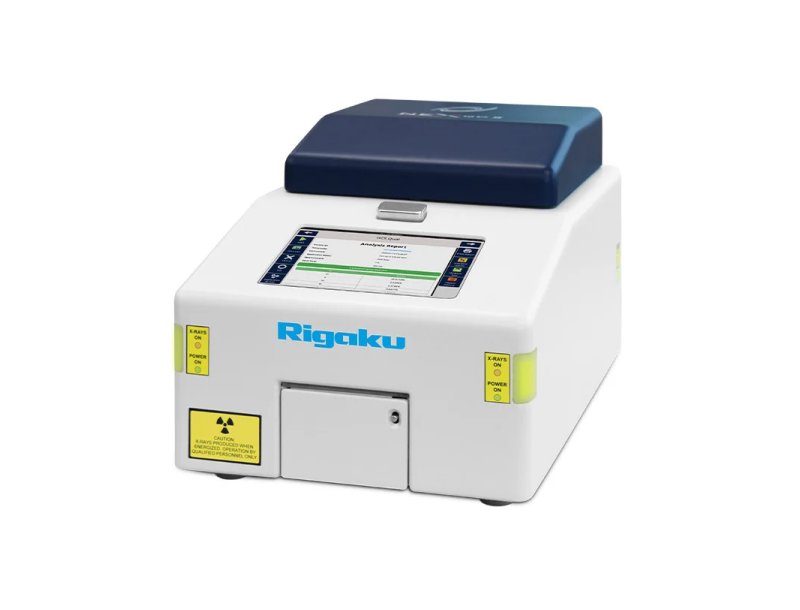

NEX QC II Series

Compact, intuitive benchtop EDXRF for everyday elemental testing

Learn more
Rigaku Automation Interface

Open Python orchestration interface for seamless integration and safe testing

Learn more


LabLinc Studio

Close Your AI discovery loop with LabLinc Studio

Learn more

Subscribe to the Bridge newsletter

Stay up to date with materials analysis news and upcoming conferences, webinars and podcasts, as well as learning new analytical techniques and applications.

Contact Us

Whether you're interested in getting a quote, want a demo, need technical support, or simply have a question, we're here to help.