
Twinned Crystals
Single crystal structure analysis is a method that involves irradiating a single crystal sample with X-rays or electron beams and analyzing the resulting diffraction data to determine the three-dimensional arrangement of atoms and molecules within the single crystal, as well as the intermolecular interactions. To use this method, it is first necessary to produce a single crystal of ideal quality.
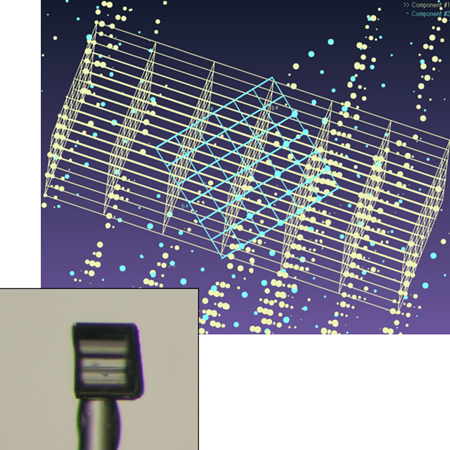
However, during the process of growing a crystal, the crystal may grow not as a single crystal but as a "twin crystal," where two crystals of the same type are joined together. If this fact goes unnoticed and the measurement is performed, the need arises to analyze the data obtained from a twin crystal.
Twins are classified by how domains join. True twins—where crystals are joined according to specific crystallographic orientations—are handled differently from mere polycrystals; i.e., agglomerations without a specific relationship
True twins are further divided into: merohedral twins, where reciprocal-lattice points from different domains coincide entirely, and non-merohedral twins, where there is only partial overlap of reciprocal-lattice points.
When it was determined that a sample had grown as a twin, researchers sometimes tried different crystallization conditions to obtain high-quality single crystals. However, crystallization takes considerable time, creating a significant barrier in traditional single crystal structure analysis methods, and in certain cases, obtaining an untwinned crystal is not possible.
Traditionally, handling twins required the use of advanced techniques by experts. Recently, however, advances in software have made it possible to analyze data obtained from twin crystals in the same way as data from single crystals, allowing for highly accurate results. This technological innovation has made it possible to shorten the time required for research and development and remove the technical barriers previously necessary for the analysis.
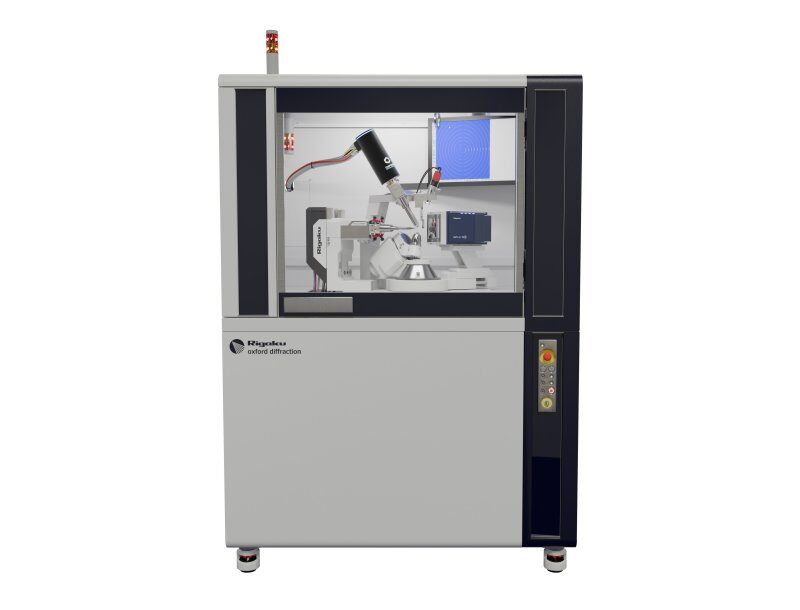
XtaLAB Synergy-S
Our most popular diffractometer for Chemical Crystallography and Mineralogy, configured with either single or dual microfocus sealed tube X-ray sources and an extremely low noise direct X-ray detection detector.
Learn more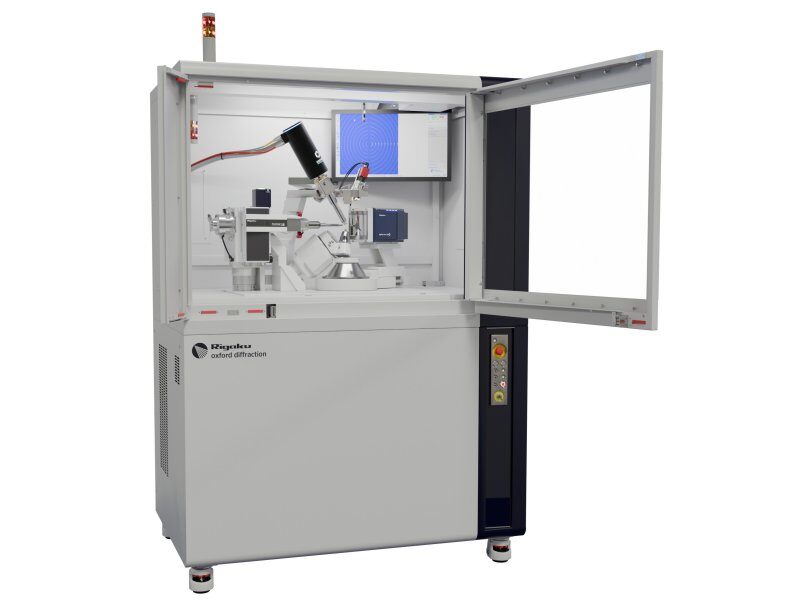
XtaLAB Synergy-R
Our most popular diffractometer for Protein Crystallography, configured with a high-flux rotating anode X-ray source and an extremely low noise direct X-ray detection detector.
Learn more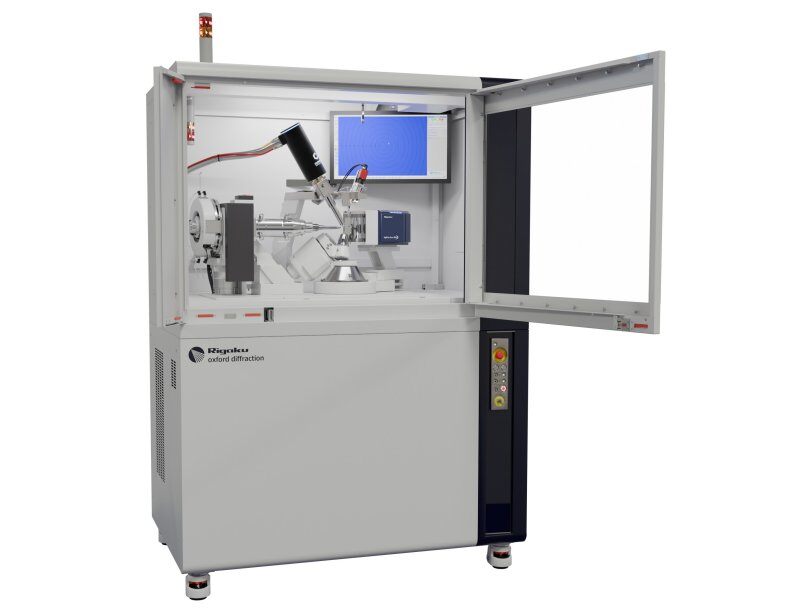
XtaLAB Synergy-DW
Spectacular performance combined with dual wavelength versatility, provides the perfect answer for high-capacity Chemical Crystallography labs or for X-ray facilities that support Chemical Crystallography and Protein Crystallography.
Learn more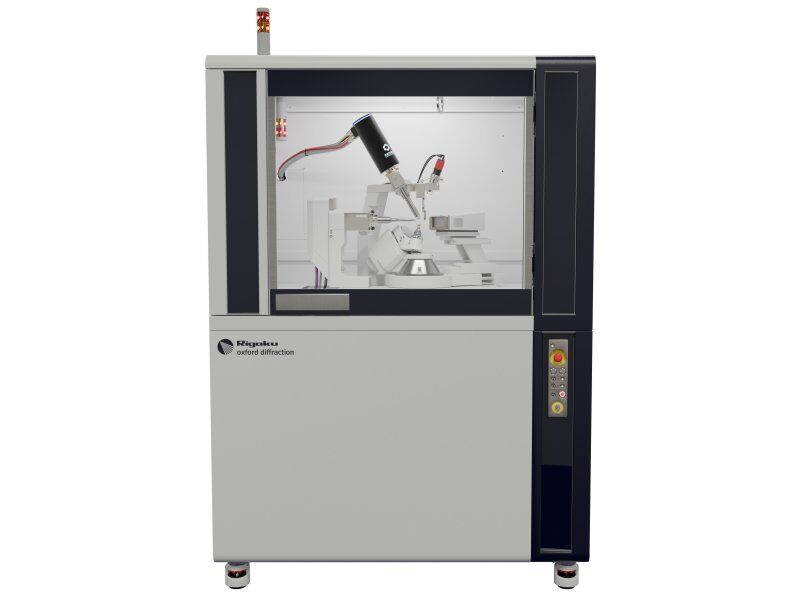
XtaLAB Synergy-i
An entry-level single crystal X-ray diffractometer for Chemical Crystallography configured with microfocus sealed tube technology and a direct X-ray detection detector.
Learn more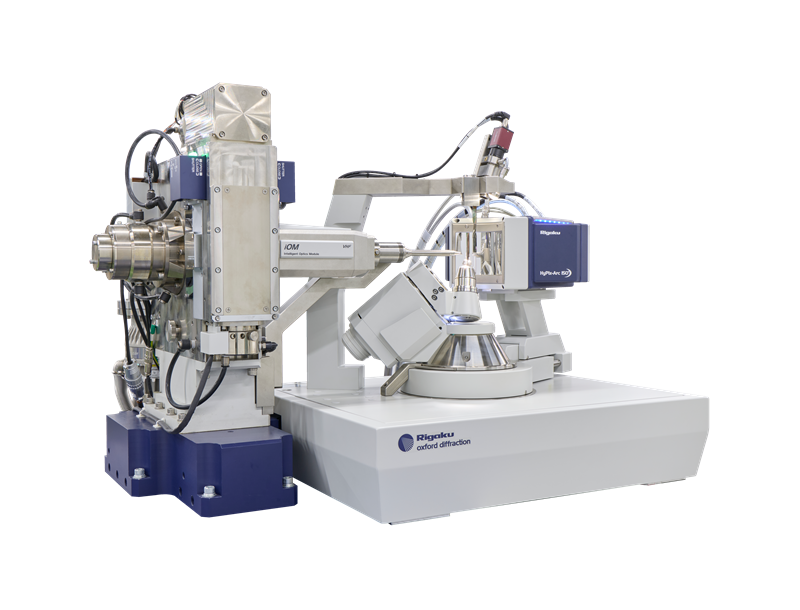
XtaLAB SynergyCustom
A bespoke, extremely high-flux diffractometer with custom enclosure and the flexibility to utilize both ports of the rotating anode X-ray source.
Learn more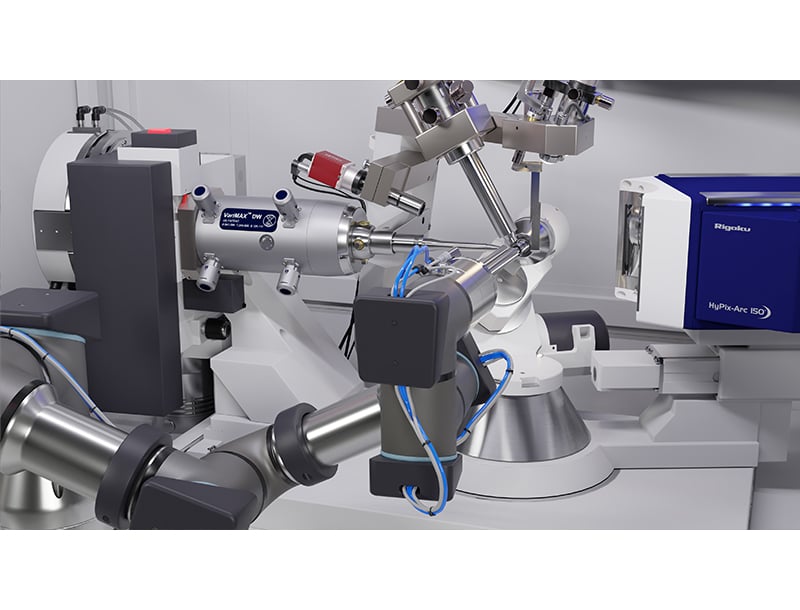
XtaLAB Synergy Flow
Robotic sample changer to provide unattended data acquisition, enhanced productivity and standardized workflow to your research environment.
Learn more
CrysAlisᴾᴿᴼ
User-inspired data collection and data processing software for small molecule and protein crystallography.
Learn more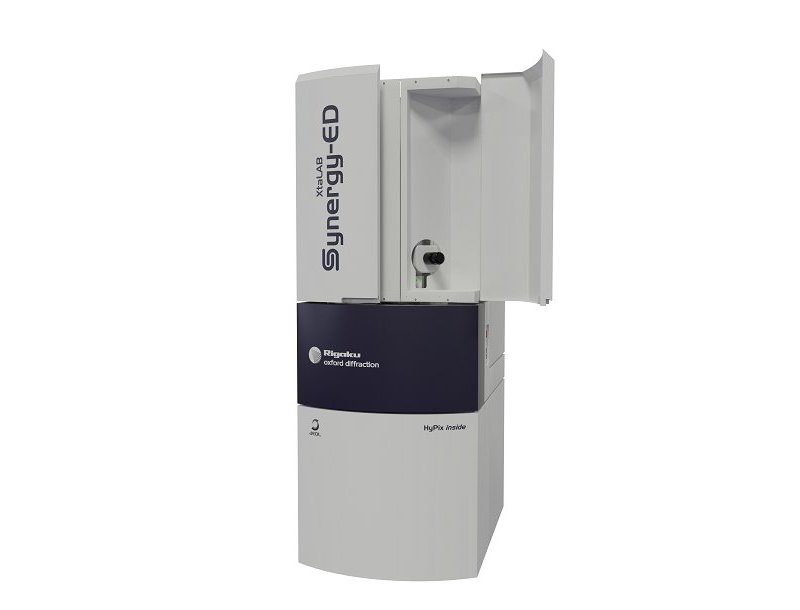
XtaLAB Synergy-ED
A new and fully integrated electron diffractometer for measuring submicron crystals, utilizing a seamless workflow from data collection to structure determination of crystal structures.
Learn more
Contact Us
Whether you're interested in getting a quote, want a demo, need technical support, or simply have a question, we're here to help.