
How Is Absolute Structure Determined?
Absolute structure determination is an essential technique used to identify the precise 3D arrangement of atoms in a molecule, particularly in the case of chiral (asymmetric) molecules. Single crystal X-ray diffraction is the go-to method for this process. This is especially important in fields like pharmaceuticals, natural products, and materials science, where the handedness of a molecule can drastically influence its function and properties.
In the pharmaceutical industry, for example, the correct absolute structure of a drug molecule is crucial because even small changes in molecular configuration can impact how well the drug works or how safe it is. One enantiomer of a drug might be effective, while its mirror image could be inactive or toxic. Absolute structure determination ensures that the right molecular form is identified and used in drug development.
In the realm of natural products, this technique helps researchers determine the structure of complex molecules found in plants, fungi, and other organisms. These molecules are often the source of important medicinal compounds, so knowing their exact structure is critical for understanding their biological activity and potential therapeutic applications.
In materials science, absolute structure determination is used to design new materials with specific properties. For example, researchers can create molecules with targeted electrical conductivity, strength, or other characteristics. Understanding the molecular structure helps in designing materials for electronics, nanotechnology, and even renewable energy solutions.
By accurately determining the absolute structure of a molecule, scientists in these fields can unlock new discoveries, develop more effective products, and push the boundaries of innovation.


XtaLAB Synergy-S
Our most popular diffractometer for Chemical Crystallography and Mineralogy, configured with either single or dual microfocus sealed tube X-ray sources and an extremely low noise direct X-ray detection detector.
Learn more
XtaLAB Synergy-R
Our most popular diffractometer for Protein Crystallography, configured with a high-flux rotating anode X-ray source and an extremely low noise direct X-ray detection detector.
Learn more
XtaLAB Synergy-DW
Spectacular performance combined with dual wavelength versatility, provides the perfect answer for high-capacity Chemical Crystallography labs or for X-ray facilities that support Chemical Crystallography and Protein Crystallography.
Learn more
XtaLAB Synergy-i
An entry-level single crystal X-ray diffractometer for Chemical Crystallography configured with microfocus sealed tube technology and a direct X-ray detection detector.
Learn more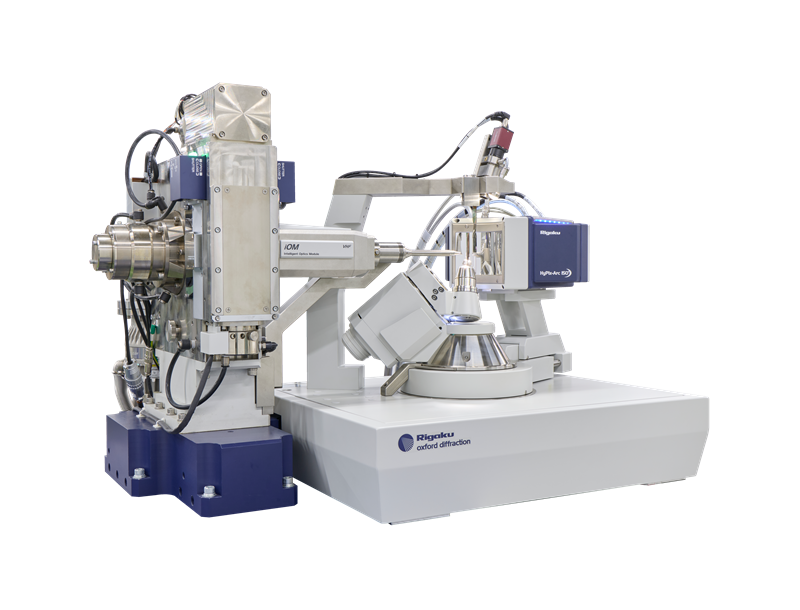
XtaLAB SynergyCustom
A bespoke, extremely high-flux diffractometer with custom enclosure and the flexibility to utilize both ports of the rotating anode X-ray source.
Learn more
XtaLAB Synergy Flow
Robotic sample changer to provide unattended data acquisition, enhanced productivity and standardized workflow to your research environment.
Learn more
CrysAlisᴾᴿᴼ
User-inspired data collection and data processing software for small molecule and protein crystallography.
Learn more
XtaLAB Synergy-ED
A new and fully integrated electron diffractometer for measuring submicron crystals, utilizing a seamless workflow from data collection to structure determination of crystal structures.
Learn more
Contact Us
Whether you're interested in getting a quote, want a demo, need technical support, or simply have a question, we're here to help.