
What Is Molecular Replacement?
A simplified approach to protein structure determination
Molecular replacement is a technique used to determine the 3D structure of proteins. Understanding the structure of proteins is important in fields like drug development and biotechnology. For example, knowing the structure of a protein can help researchers design drugs that target specific diseases or improve biotechnology processes.
When using X-ray crystallography to study protein structures, researchers face a challenge known as the "phase problem." X-ray diffraction provides information about how atoms are arranged in the crystal, but it doesn’t give the "phase" information needed to create a full 3D structure. Molecular replacement helps solve this problem.
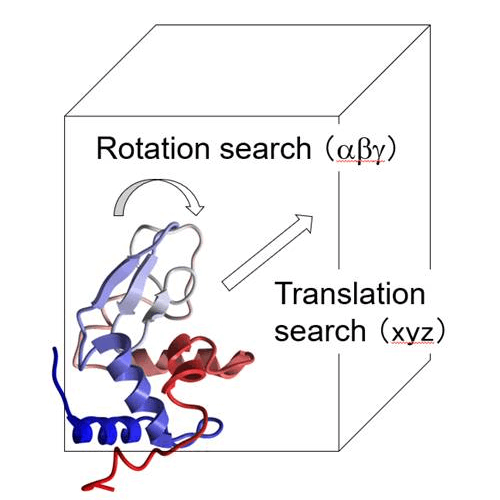
The method works by using a "model molecule," a protein whose structure is already known, to guide the process. The known structure is placed into the crystal of the target protein, and the position of the model molecule is adjusted to match the target protein's characteristics. This helps researchers estimate the missing phase information and solve the structure of the unknown protein.
Molecular replacement is especially useful in drug development and biotechnology. In drug discovery, it helps researchers understand how drugs interact with specific proteins, leading to better drug design. In biotechnology, it aids in improving the design of enzymes and other proteins used in industrial processes.
Compared to other methods, molecular replacement is simpler and quicker. While other techniques may require a lot of experimental data, molecular replacement can use existing models to determine the protein structure with less data. However, it is most effective when the model molecule is similar to the target protein, so it may not work well if no similar structure is available.
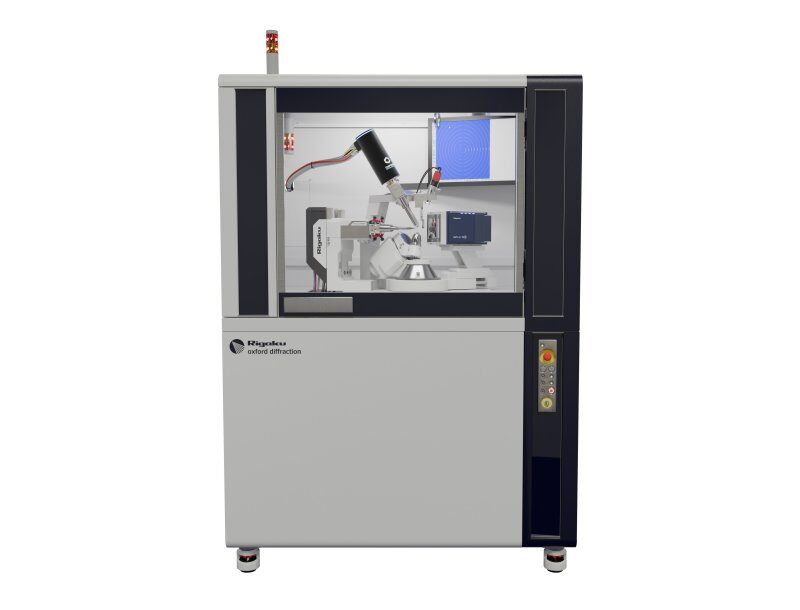
XtaLAB Synergy-S
Our most popular diffractometer for Chemical Crystallography and Mineralogy, configured with either single or dual microfocus sealed tube X-ray sources and an extremely low noise direct X-ray detection detector.
Learn more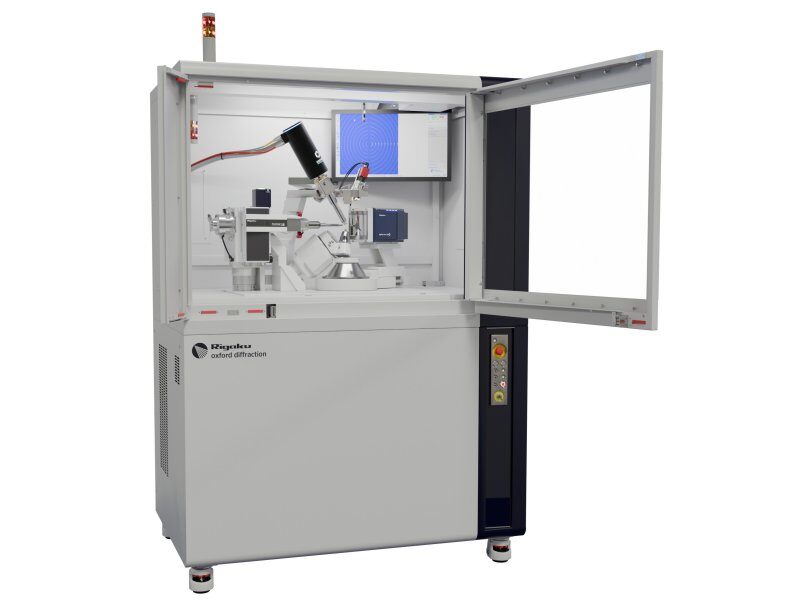
XtaLAB Synergy-R
Our most popular diffractometer for Protein Crystallography, configured with a high-flux rotating anode X-ray source and an extremely low noise direct X-ray detection detector.
Learn more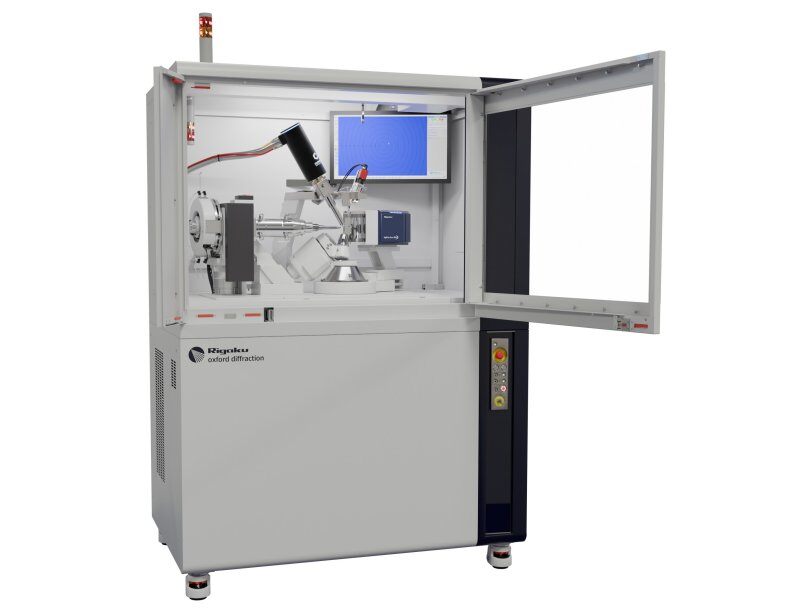
XtaLAB Synergy-DW
Spectacular performance combined with dual wavelength versatility, provides the perfect answer for high-capacity Chemical Crystallography labs or for X-ray facilities that support Chemical Crystallography and Protein Crystallography.
Learn more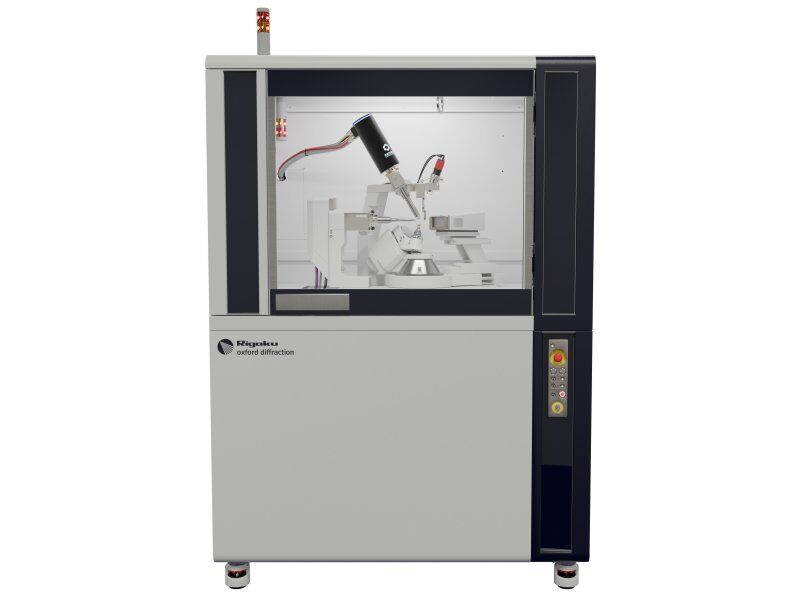
XtaLAB Synergy-i
An entry-level single crystal X-ray diffractometer for Chemical Crystallography configured with microfocus sealed tube technology and a direct X-ray detection detector.
Learn more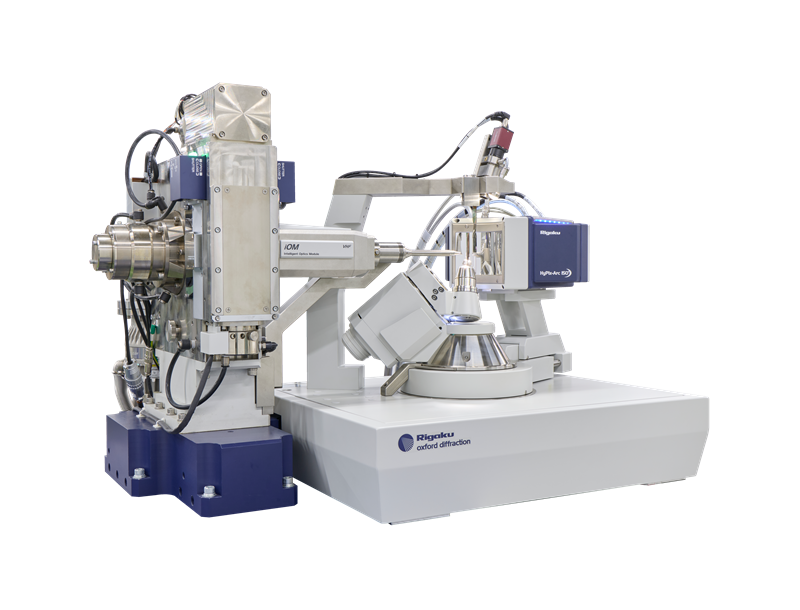
XtaLAB SynergyCustom
A bespoke, extremely high-flux diffractometer with custom enclosure and the flexibility to utilize both ports of the rotating anode X-ray source.
Learn more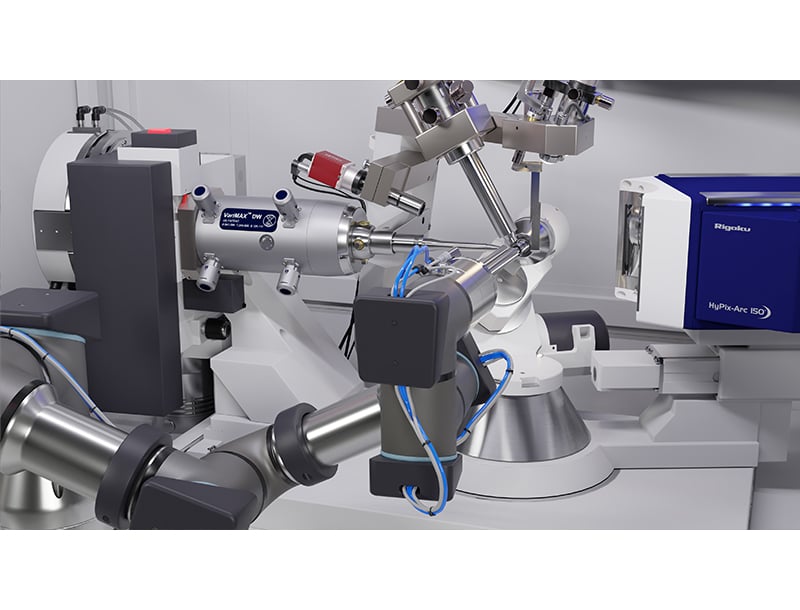
XtaLAB Synergy Flow
Robotic sample changer to provide unattended data acquisition, enhanced productivity and standardized workflow to your research environment.
Learn more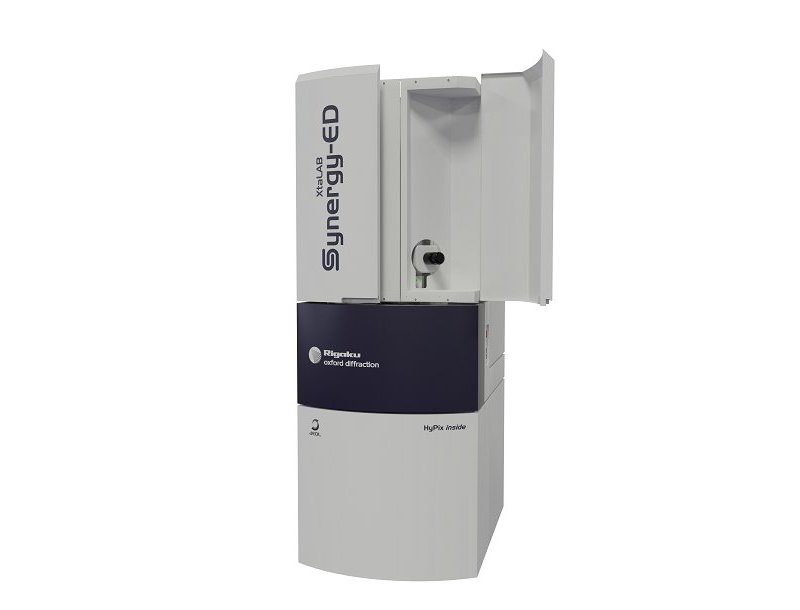
XtaLAB Synergy-ED
A new and fully integrated electron diffractometer for measuring submicron crystals, utilizing a seamless workflow from data collection to structure determination of crystal structures.
Learn more
Contact Us
Whether you're interested in getting a quote, want a demo, need technical support, or simply have a question, we're here to help.