Environment and Pollution
Wastewater, soils and sediments to RoHS
For monitoring of contaminated sediments, soils, air and water and classification of materials for recycling, wavelength dispersive and energy dispersive X-ray fluorescence (WDXRF and EDXRF) are the non-destructive analytical techniques of choice to fulfill the requirements of US EPA requirements for heavy metal concentrations (RCRA metals) and the European Union (EC) environmental regulations of RoHS/WEEE. Rigaku solutions and services for your non-destructive testing are essential for your product “end-of-life" recovery and recycling strategy.
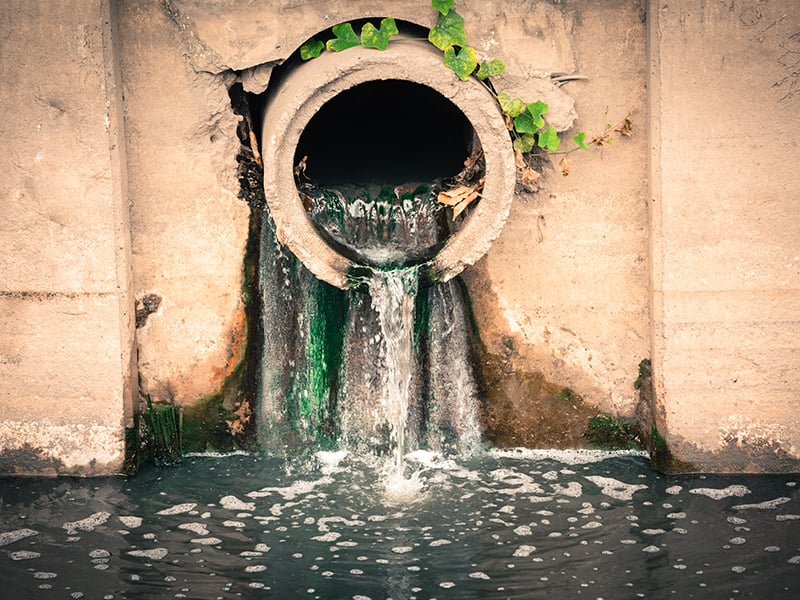
Learn how these techniques can be used in environmental analysis
Wavelength dispersive X-ray fluorescence spectrometry offers fast, consistent, and non-destructive elemental analysis across both inorganic and organic samples. Its broad applicability and measurement stability make WDXRF a dependable tool for composition monitoring, contamination assessment, and resource evaluation in environmental laboratories.
Energy dispersive X-ray fluorescence is often stipulated in environmental regulations and guidelines. Whether measuring toxic heavy metals in aerosols on air filters, monitoring industrial waste streams to sub-ppm levels, or testing soils, our cost-effective EDXRF solutions can help achieve quick results without complex setups or extensive sample preparation.
X-ray diffraction helps environmental laboratories, researchers, and remediation teams identify the crystalline phases present in soils, sediments, dusts, aerosols, industrial residues, ash, sludge, scale, corrosion products, and contaminated materials. While elemental analysis shows which elements are present, XRD shows which mineral or crystalline compounds contain those elements.
Application notes
Explore the example analyses to see which analytical technique is right for you.
Recommended products
Not seeing what you are looking for? Try Product Finder.
Contact Us
Whether you're interested in getting a quote, want a demo, need technical support, or simply have a question, we're here to help.

Subscribe to the Bridge newsletter
Stay up to date with materials analysis news and upcoming conferences, webinars and podcasts, as well as learning new analytical techniques and applications.