
What is X-ray Fluorescence (XRF)?
Measure almost any element in almost any matrix
X-ray fluorescence (XRF) provides one of the simplest, most accurate and most economic analytical methods for the determination of elemental composition of many types of materials. Indispensable to both R&D and quality assurance (QA) functions, our advanced and unique WDXRF products are routinely used to analyze products from cement to plastics and from metals to food to semiconductor wafers. Rigaku offerings range from high power, high-performance wavelength dispersive WDXRF systems, for the most demanding applications, to a complete line of benchtop EDXRF and WDXRF systems.
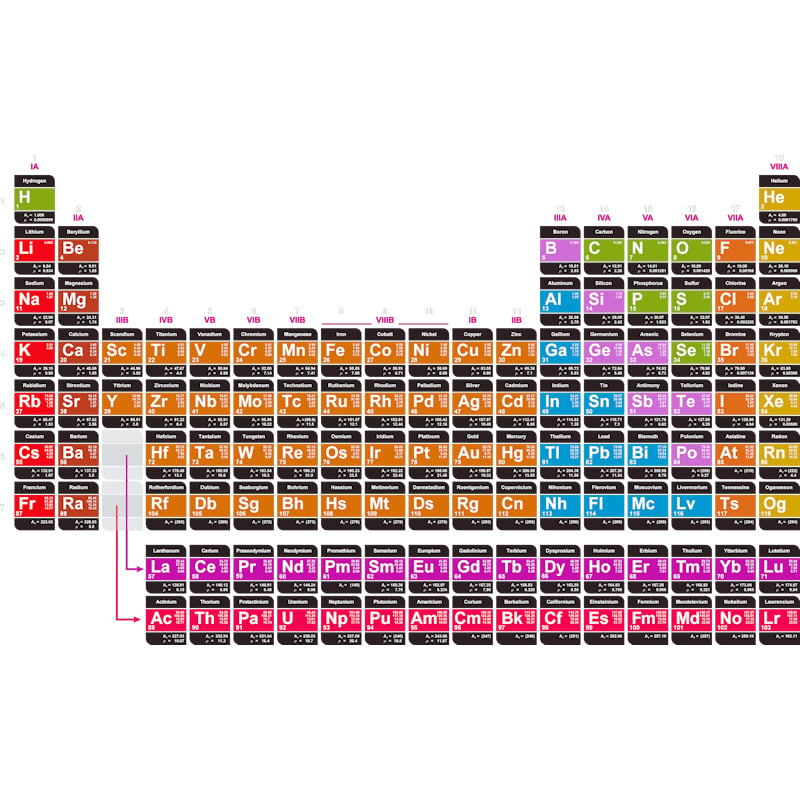
Theory of X-ray fluorescence
In XRF, an electron can be ejected from its atomic orbital by the absorption of a light wave (photon) of sufficient energy. The energy of the photon (hν) must be greater than the energy with which the electron is bound to the nucleus of the atom.
When an inner orbital electron is ejected from an atom (middle image), an electron from a higher energy level orbital will be transferred to the lower energy level orbital. During this transition a photon maybe emitted from the atom (far rightimage).

This fluorescent light is called the characteristic X-ray of the element. The energy of the emitted photon will be equal to the difference in energies between the two orbitals occupied by the electron making the transition. Because the energy difference between two specific orbital shells, in a given element, is always the same (i.e. characteristic of a particular element), the photon emitted when an electron moves between these two levels, will always have the same energy. Therefore, by determining the energy (wavelength) of the X-ray light (photon) emitted by a particular element, it is possible to determine the identity of that element.

OXIDE-FB-PAK
Pre-calibrated package to quantitatively analyze a wide range of oxides in minerals and geological samples
Learn more
GEO-TRACE-PAK
Pre-calibrated package for quantitatively analyzing tracing elements and major oxides in minerals and geological samples
Learn more
OIL-MULTI-PAK
Pre-calibrated package for multi-element analysis of lubricants using liquid analysis
Learn more

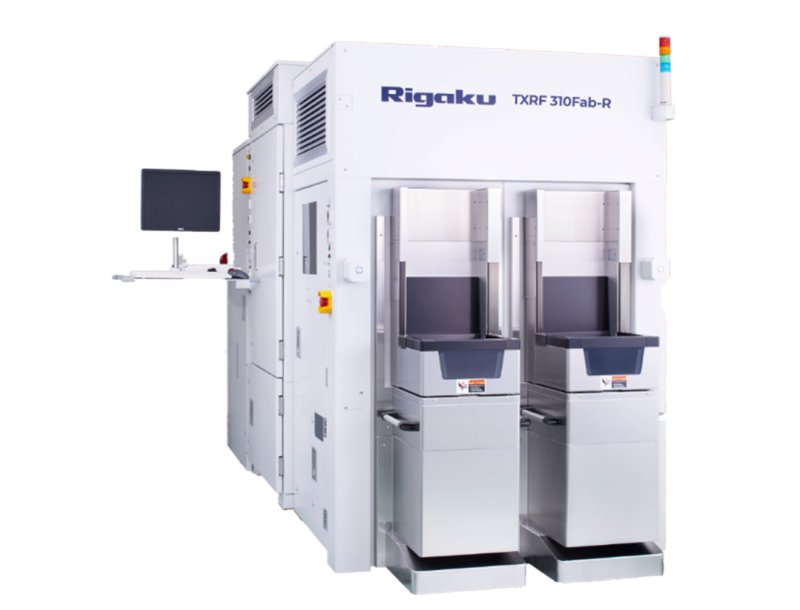


ZSX Primus IV
High-power, tube-above, sequential WDXRF spectrometer with ZSX Guidance expert system software
Learn more
ZSX Primus III NEXT
Affordable, high-end, tube-above Industrial WDXRF for the analysis of solid samples
Learn more
ZSX Primus IV𝒾
High-power, tube-below, sequential WDXRF spectrometer with new ZSX Guidance expert system software
Learn more
Supermini200
Benchtop tube below sequential WDXRF spectrometer analyzes O through U in solids, liquids and powders
Learn more
Simultix 15
High-throughput, tube-above, multi-channel simultaneous WDXRF spectrometer analyzes Be through U
Learn more

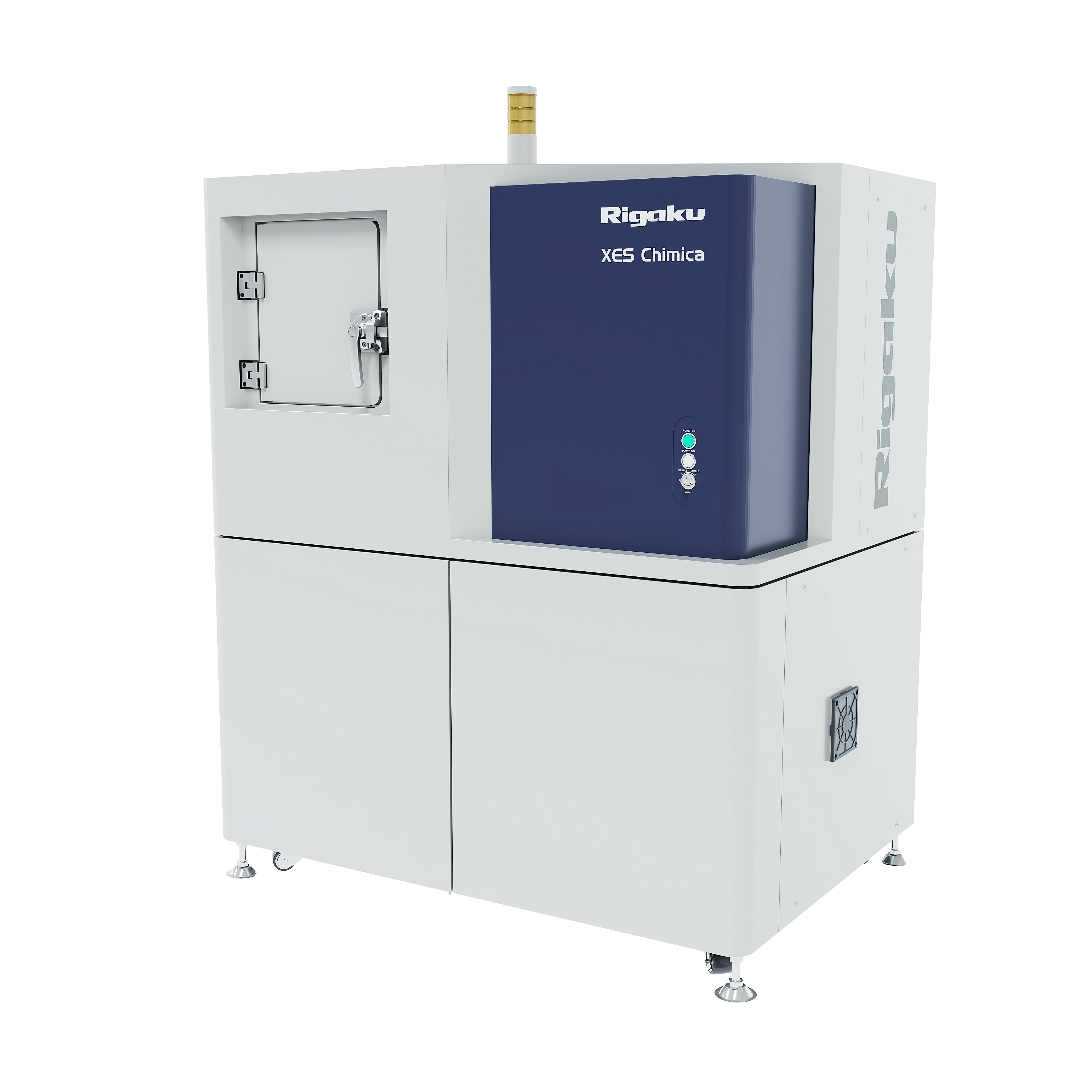
XES Chimica
X-ray emission spectrometer that enables quantitative analysis of the chemical states of elements
Learn more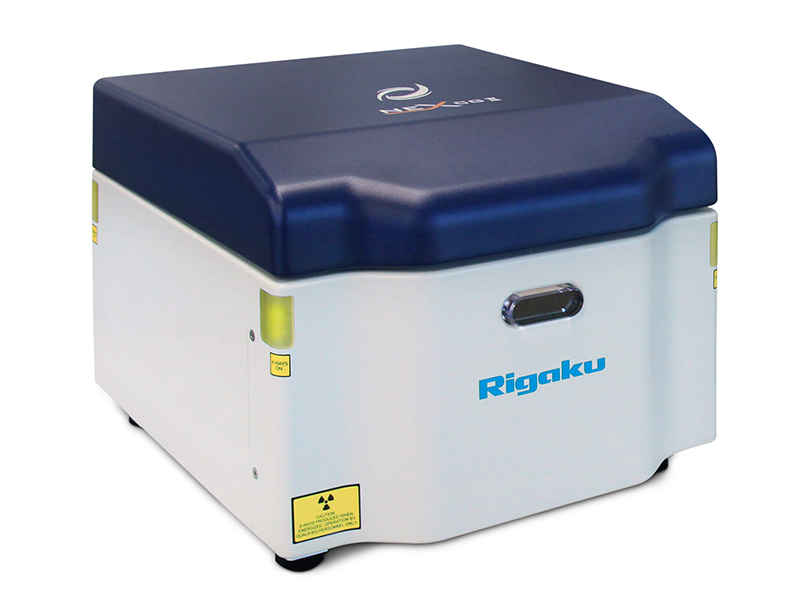
NEX CG II Series
High-performance indirect excitation EDXRF for complex applications with trace elements and variable base matrices
Learn more
NEX DE Series
High-power 60 kV EDXRF systems delivering speed, precision, and small spot measurements
Learn more

Rigaku Automation Interface
Open Python orchestration interface for seamless integration and safe testing
Learn more

Contact Us
Whether you're interested in getting a quote, want a demo, need technical support, or simply have a question, we're here to help.