Application Note B-TA1090
Introduction
Four commercially available adhesive tapes were evaluated by measuring the lateral slippage after adhesion using the TMA tensile loading method, and an attempt was made to compare the adhesive properties of the tapes.
Measurement and results
Test sample was prepared by cutting an Al-based film to strip of 5 mm (width) × 15 mm (length) and each adhesive tape strip to 5 mm (width) × 10 mm (length), then bonding them together along a 5 mm length (adhesive area: 5 mm × 5 mm).
Both ends of the test sample were mounted in a jig designed for tensile loading; the load was varied from 20 mN to 500 mN at a rate of 20 mN/min, and the amount of lateral slippage was measured.
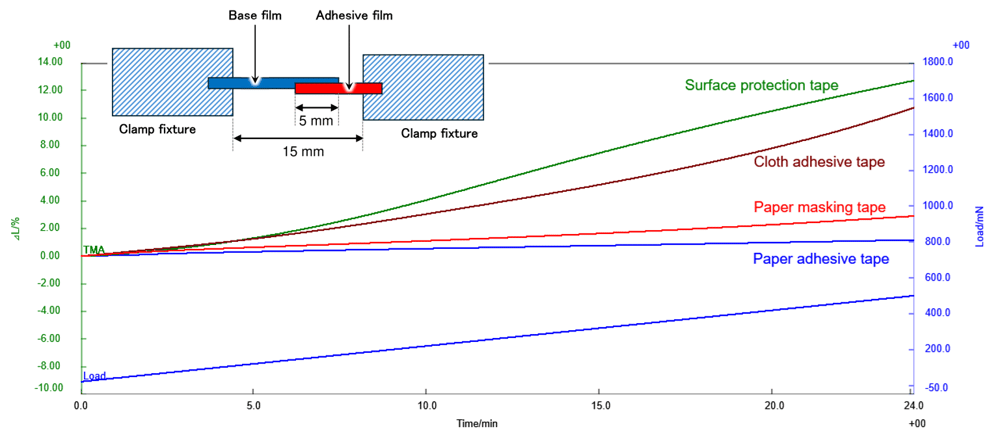 Figure1: Configuration of adhesive test sample and TMA tensile load measurement results
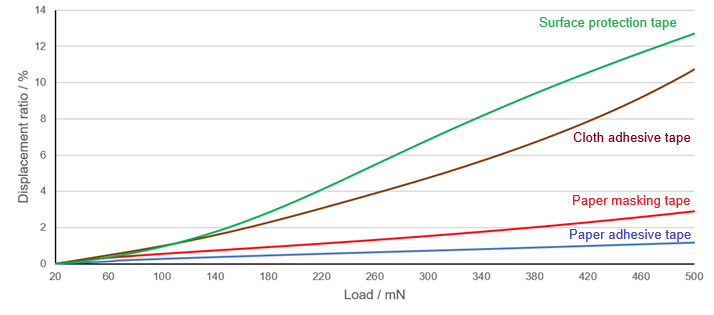 Figure2: Comparison of load-displacement ratio plots for different adhesive tapes
Figure 2 shows the relationship between the applied load and the displacement ratio resulting from lateral slippage.
The amount of lateral slippage induced by tensile loading increased in the order of paper adhesive tape, paper masking tape, cloth adhesive tape, and surface protection tape, with observable differences between the respective tapes.
Inflection points were observed at around 340 mN for cloth adhesive tape, and at around 180 mN and 390 mN for surface protection tape; discontinuities in the response to load changes were identified within these load ranges. Although the presented test measurement compares lateral adhesion to an aluminum-based film, the method can be used as a simple technique for evaluating adhesion to the target material surface or changes in adhesion when the adhesive is changed, simply by selecting the appropriate base film.