Building Autonomous Materials Labs: What It Really Takes to Go from Concept to Reality 

Autonomous labs are no longer just a future concept. Recent advances in automation, software, data systems, and machine learning are making them more accessible. Meanwhile, researchers planning autonomous materials discovery labs often face the same problems: instruments that do not easily talk to each other, software that requires custom work to connect, high setup costs, slow sample preparation, scheduling conflicts, and questions about when machine learning is actually useful.

These are the practical questions this webinar series will address. Each session will bring together researchers who have worked on autonomous lab projects and technical experts who support the instruments, software, and integration behind them. The goal is to help you plan a realistic lab setup, avoid common mistakes, and make better early decisions about automation, integration, data, and workflow design.

Autonomous Labs Are Becoming a Strategic Priority. What Does That Mean for Materials Research?

Autonomous labs are rapidly becoming a strategic priority in materials research. This session explores what “autonomous” really means, what is driving the momentum, and which applications are realistic today versus still on the horizon.  

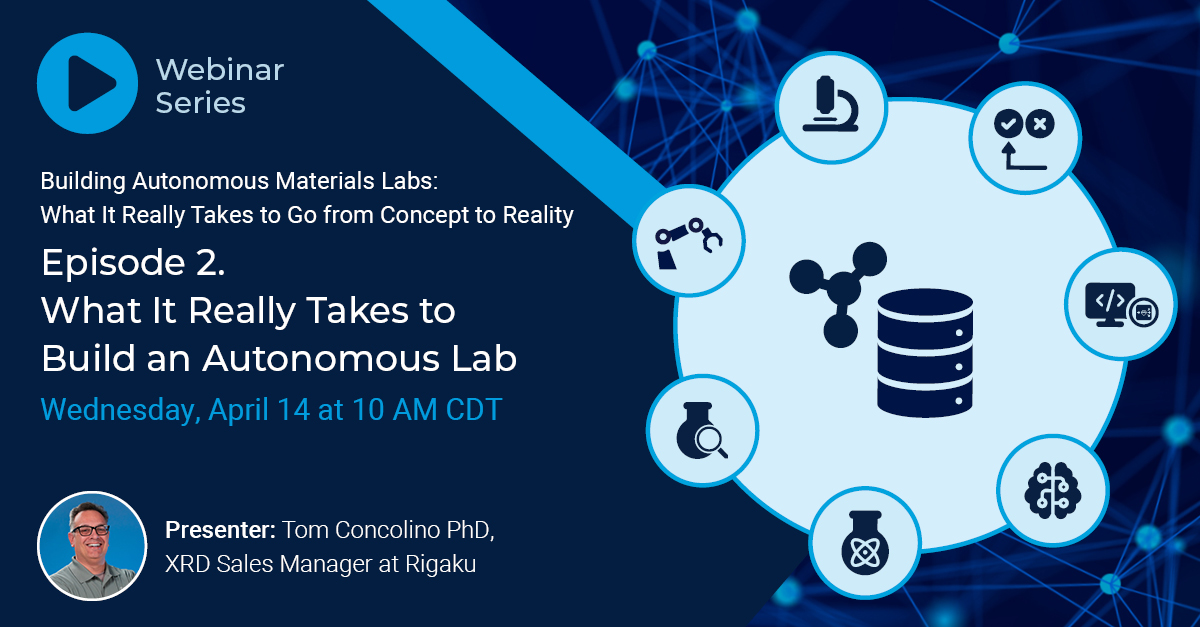
What It Really Takes to Build an Autonomous Lab

Building an autonomous lab starts with the right foundation. This session walks through the core components of an autonomous workflow, how to scope a first system, and the practical tradeoffs that shape a reliable design.  

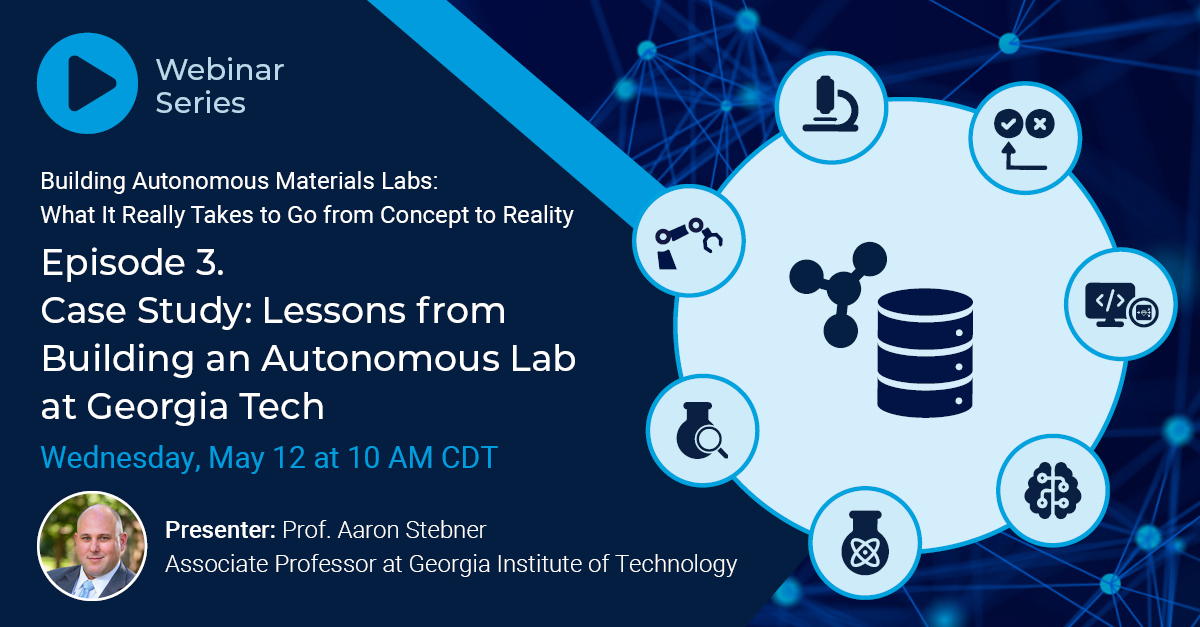
Case Study: Lessons from Building an Autonomous Lab at Georgia Tech

Hear firsthand how an autonomous lab came together in practice. This case study shares the goals, key design decisions, challenges, and lessons learned along the way, including what the team would do differently.

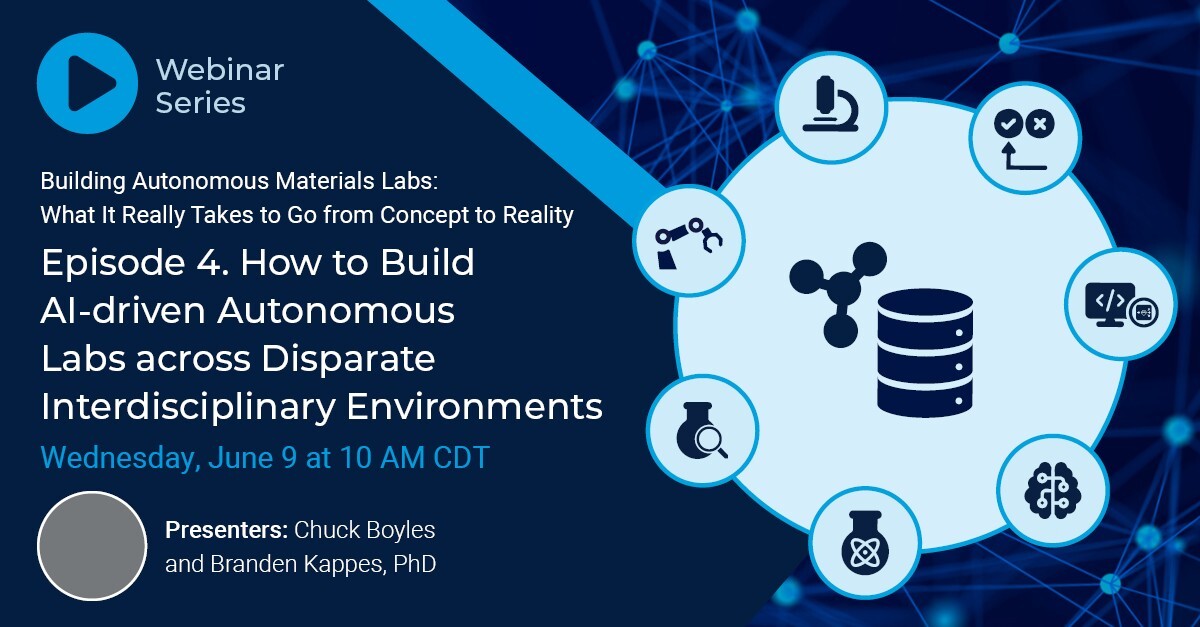
How to Build AI-driven Autonomous Labs across Disparate Interdisciplinary Environments

This session covers common integration challenges and practical approaches to orchestrating and building systems that work together reliably. Connecting instruments and software from different vendors to serve mixed-use, multi-institution environments in AI-driven autonomous lab design is challenging, but it can be done. 

Designing Automated Sample Synthesis Workflows That Actually Work

Automating sample synthesis presents unique challenges. This session looks at what makes synthesis harder to automate than measurement, where automation is practical today, and where human involvement is still needed.  

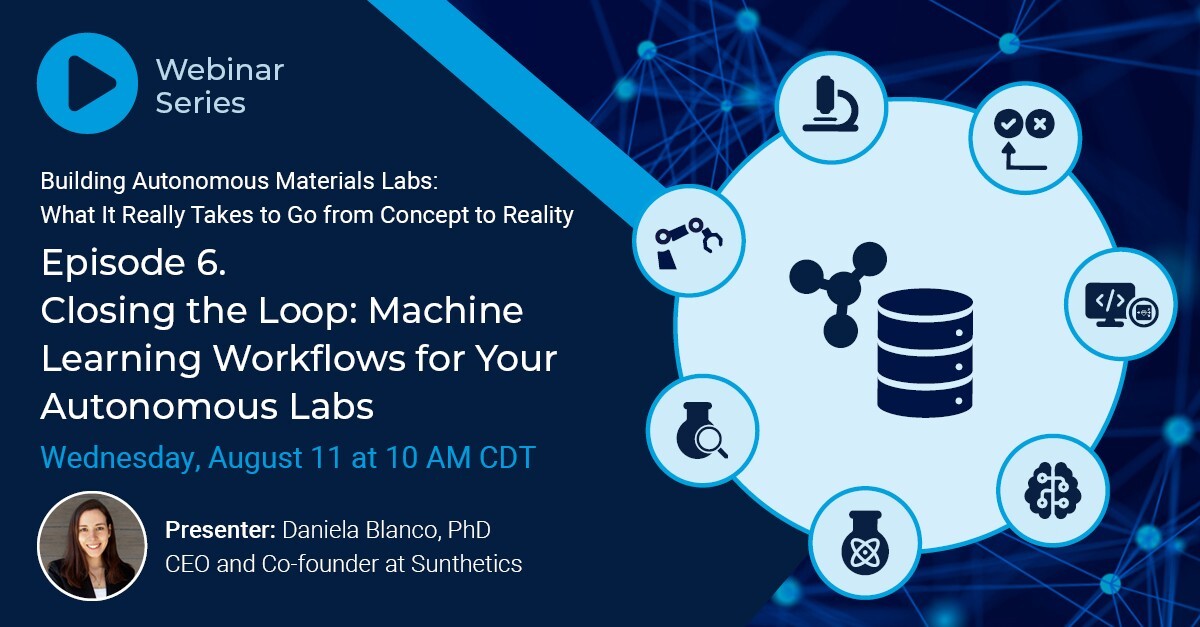
Closing the Loop: Machine Learning Workflows for Your Autonomous Lab

Machine learning can add real value to autonomous labs, but only in the right places. This session looks at where ML fits into the experimental loop, what it needs to work well, and its current limitations.  

Subscribe to the Bridge newsletter

Stay up to date with materials analysis news and upcoming conferences, webinars and podcasts, as well as learning new analytical techniques and applications.

Contact Us

Whether you're interested in getting a quote, want a demo, need technical support, or simply have a question, we're here to help.