Application Note PHARM001
Introduction
Structure-based drug design (SBDD), which is essential for the development of molecular target drugs, utilizes the three-dimensional molecular structures of the target biomacromolecules. X-ray crystallographic analysis of protein–ligand complexes provides detailed structural insights that directly inform SBDD. Here, we present an example of structure analysis of a transcriptional repressor RamR binding to two different ligands (ethidium and cholic acid) to visualize the conformational change of the ligand-binding pocket.
Crystal structure analysis
| Analysis: | Biomolecules |
| Use: | Discovery (Protein) |
| Analyzed materials: | Transcriptional Repressor: RamR |
| Analysis software: | CrysAlisPro, CCP4 |
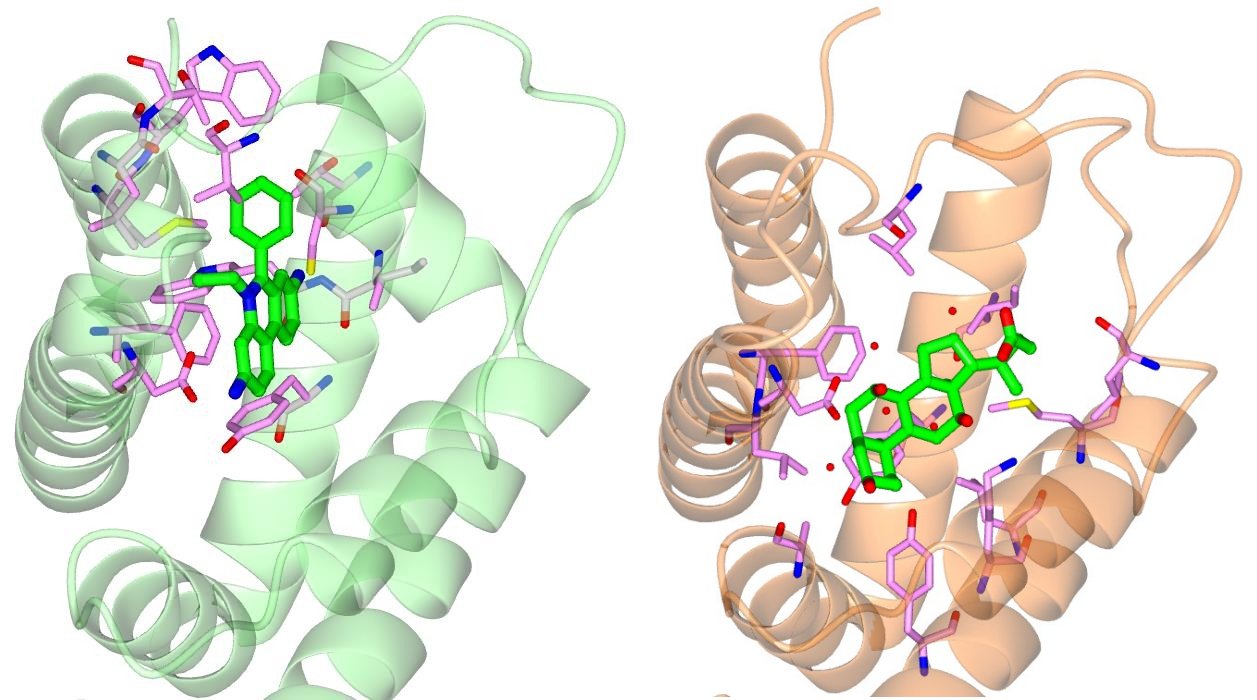
Figure 1: Ethidium and cholic acid within the RamR binding pocket
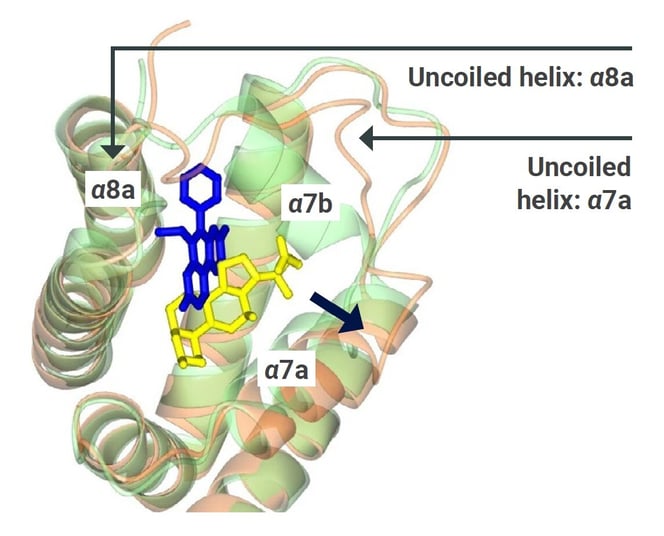
Figure 2: Conformational changes in the binding pocket of RamR.
Conclusion
Comparison of RamR–ligand complex structures revealed distinct structural changes in the binding pocket and variations in key interactions (Figure 1). The positioning of aromatic rings and substituents was found to significantly influence protein–ligand binding stability. In addition, localized partial unfolding of a helix region (Figure 2) highlights the intrinsic adaptability of the pocket to ligand binding. These structural insights provide a solid basis for rational design and optimization of lead compounds.