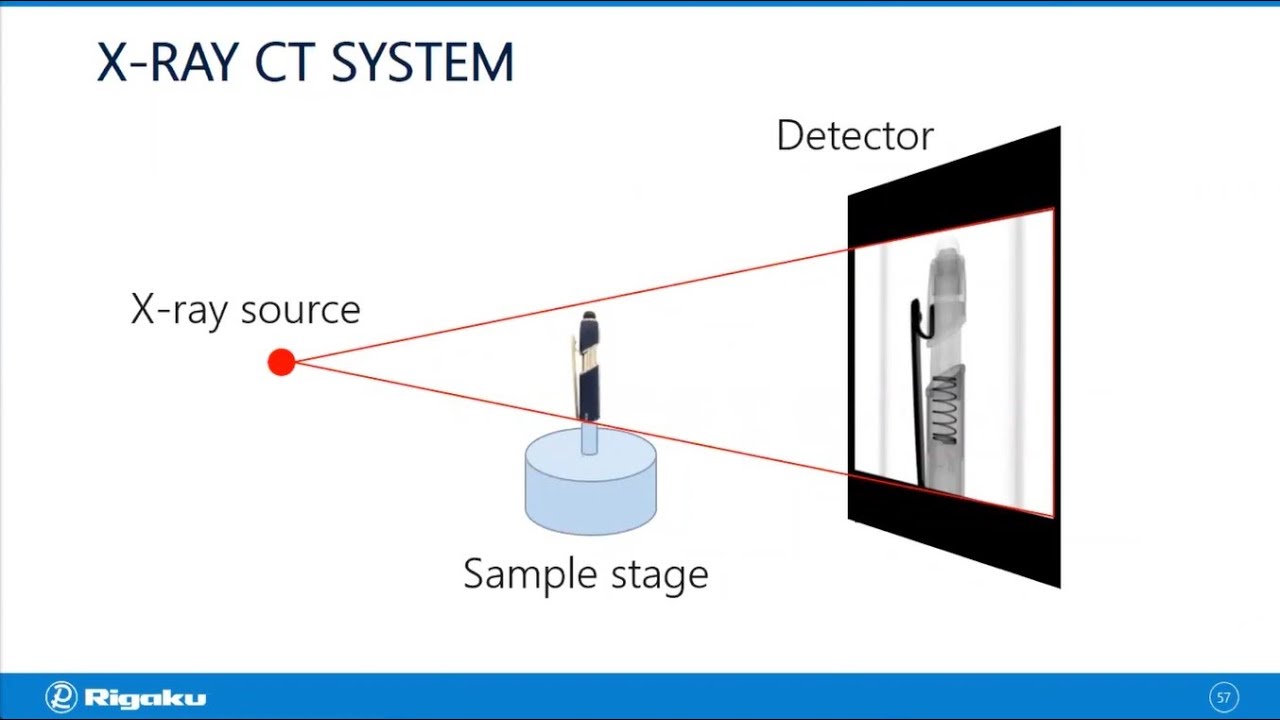
In this webinar, we discuss sample preparation techniques for life science samples. These samples typically require preservation to ensure that ‘as lifelike as possible’ CT data can be collected. Additionally, these types of samples typically have low density contrast and thus benefit from staining. Different techniques are discussed, and we show examples of X-ray CT data for life science samples.
ライフサイエンスのサンプルのためのサンプル準備技術について学びます。これらのサンプルは通常、できるだけ「生命そのもの」のCTデータが収集されるように保存が必要です。また、これらのサンプルは通常、低密度のコントラストを有しており、染色の利点があります。異なる技術について議論し、ライフサイエンスのサンプルにおけるX線CTデータの例が紹介されます。
リソース
- 組織の固定の理論と実践 - 理想的な固定剤の研究: Eltoum et al. (2001), J. Histotechnol., 24 (3), 173–19
- 固定剤の浸透率、原著作: Medawar et al. (1941), J. R. Microsc. Soc., 61(1-2), 46-57
- 固定液の浸透速度、より最近の研究: Dempster et al. (1960), Am. J. Anat., 107 (1), 59–72
- 染色剤のコントラスト比較: Metscher et al. (2009), Dev. Dyn., 238 (3), 632–640
- 湿潤および乾燥した豚の心臓の比較: Pallares-Lupon et al. (2021), bioRxiv 2021.07.29.454121
- パラフィン包埋された人間の肺組織のマイクロCT画像化: Scott et al. (2015), PLoS ONE,10(6), 0126230
- 脊椎動物の胚のマイクロCT研究: Metscher et al. (2011), Cold Spring Harb. Protoc., 2011(12), 067033
以下の内容もおすすめです:
- 「X線イメージングについて語りましょう」ブログ記事 - 有機サンプルのX線コントラストを向上させる方法