Umwelt und Energie
Röntgenmaterialcharakterisierung für Forschung und Entwicklung bis hin zur Prozesskontrolle
Röntgendiffraktion (RFA) und Röntgenfluoreszenzanalyse (RFA) ermöglichen eine präzise Materialcharakterisierung und helfen bei der Entwicklung effizienter Katalysatoren, Batterien und Umweltschutztechnologien. Die Röntgen-Computertomographie (CT) ermöglicht eine zerstörungsfreie Fehleranalyse verschiedener Energiespeichergeräte. Alle Techniken tragen dazu bei, nachhaltige Praktiken voranzutreiben, eine sauberere Energieerzeugung zu gewährleisten und das Kosten-Nutzen-Verhältnis zu verbessern.

Verwandte Branchen
Wählen Sie Ihr Forschungsgebiet oder Ihre Branche und erfahren Sie mehr.
Batterien
Die XRD-Technik kann Veränderungen in Elektroden während des Lade- und Entladevorgangs auf atomarer Ebene operando sichtbar machen. Diese Art der Grundlagenforschung ist entscheidend für die Verbesserung der Batterieleistung. Röntgen-CT ermöglicht eine zerstörungsfreie 3D-Darstellung, die einen wesentlichen Einblick in die Fehleranalyse von verpackten Batterien bietet.
Mehr erfahren >
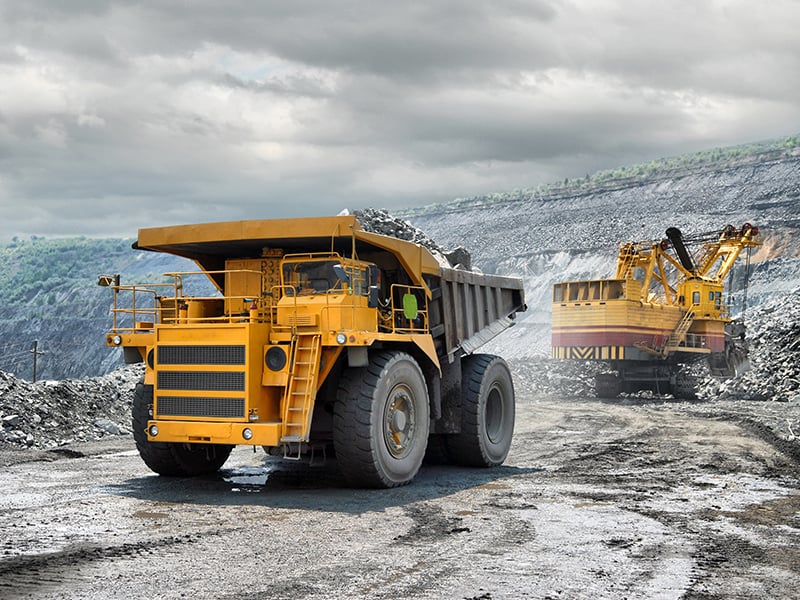
Bergbau und Raffination
RFA und XRD sind unverzichtbare Analyseinstrumente für die mineralogische Analyse im Bergbau und in der Raffinerieindustrie. Wir bieten verschiedene Lösungen für Forschung und Entwicklung, Routineproduktion und Prozesskontrolle, einschließlich kostengünstiger Tischgeräte und automatisierungskompatibler Systeme, die den Industriestandards entsprechen.
Mehr erfahren >
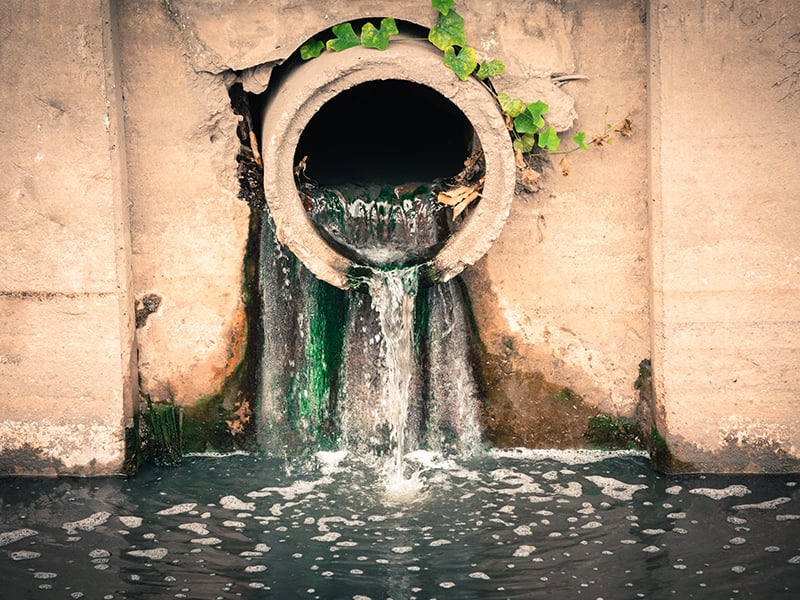
Umwelt und Umweltverschmutzung
RFA kann Schwermetalle mit minimaler Probenvorbereitung leicht analysieren und ist ideal für die Überwachung von kontaminierten Sedimenten, Böden, Luft und Wasser sowie für die Klassifizierung von Recyclingmaterialien. Unsere RFA-Systeme erfüllen die Anforderungen der US EPA für Schwermetallkonzentrationen (RCRA-Metalle) und die EU-Umweltvorschriften RoHS/WEEE.
Mehr erfahren >
Geologie und Mineralien
Röntgenanalysen werden häufig zur eingehenden Untersuchung planetarer Prozesse und der Zusammensetzung der Erde eingesetzt. Mit XRD können Mineralphasen identifiziert und quantifiziert werden, während mit RFA die Elementzusammensetzung analysiert werden kann. Darüber hinaus können mit Röntgen-CT Poren und Risse sichtbar gemacht und Porennetzwerke im Gestein analysiert werden.
Mehr erfahren >
Erdöl und Petrochemie
XRD für die Analyse kristalliner Phasen und RFA für die Element-Analyse unterstützen die Erdölindustrie in jeder Phase des Explorations-, Produktions- und Vertriebsprozesses. Beispiele sind die Analyse von Schwefel und anderen Elementen in Rohöl und Kraftstoffen. Unsere Geräte entsprechen den geltenden ISO- und ASTM-Normen.
Mehr erfahren >
Fotovoltaik
Röntgenanalysen sind für die Charakterisierung von polykristallinem Silizium und anderen Dünnschichten in der Photovoltaik unerlässlich. RFA misst die elementare Zusammensetzung von Dünnschichten in der Produktion, und XRD- und Reflektivitätsverfahren tragen zur detaillierten Charakterisierung von Dünnschichten bei, einschließlich der Schichtzusammensetzung, der kristallographischen Orientierung und der Schichtdicke.
Mehr erfahren >Zugehörige Produkte
Viele Produkte leisten einen Beitrag zum Umweltschutz und zur Energiewirtschaft. Nutzen Sie den Produkt-Finder, um das für Ihre Bedürfnisse am besten geeignete Produkt zu finden.
SmartLab
Fortschrittliches, hochauflösendes High-End-XRD-System, unterstützt durch die Guidance-Expertensoftware.
Mehr erfahrenZSX Primus IVi
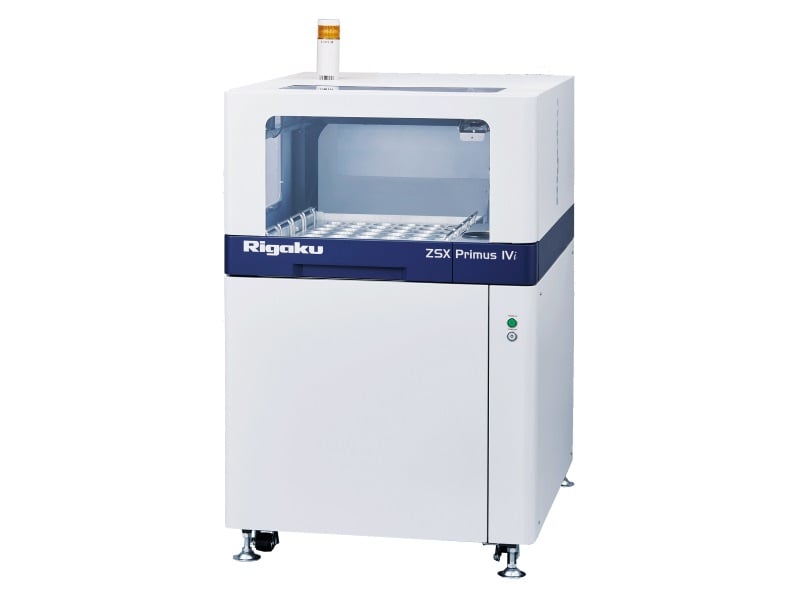
Sequenzielles Hochleistungs-WDRFA-Spektrometer mit der Röhre unterhalb der Probe und neuer ZSX Guidance-Expertensoftware.
Mehr erfahrenMiniFlex
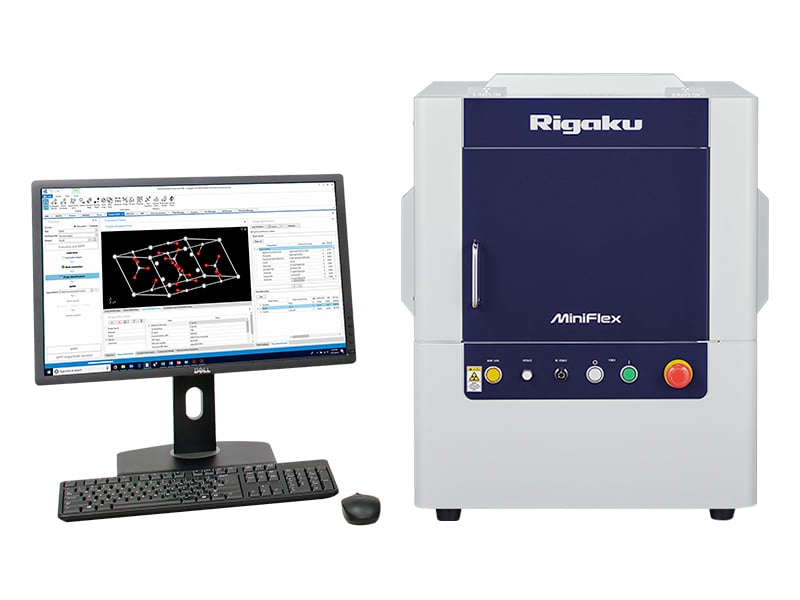
Neues Röntgendiffraktionssystem der sechsten Generation für allgemeine Anwendungen zur Phasenidentifikation und Phasenquantifizierung.
Mehr erfahrenNEX CG II Series
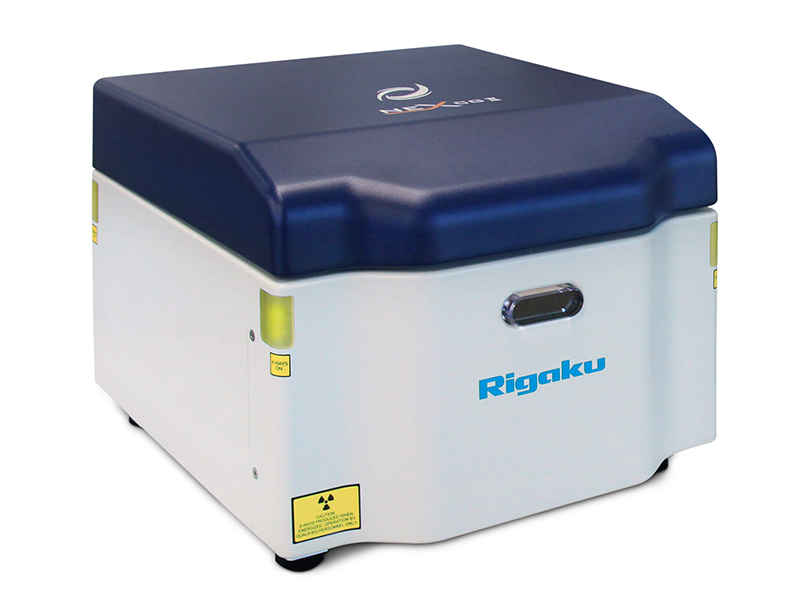
Hochleistungs-EDRFA mit indirekter Anregung für komplexe Anwendungen mit Spurenelementen und variablen Basismatrizen.
Mehr erfahrenSupermini200
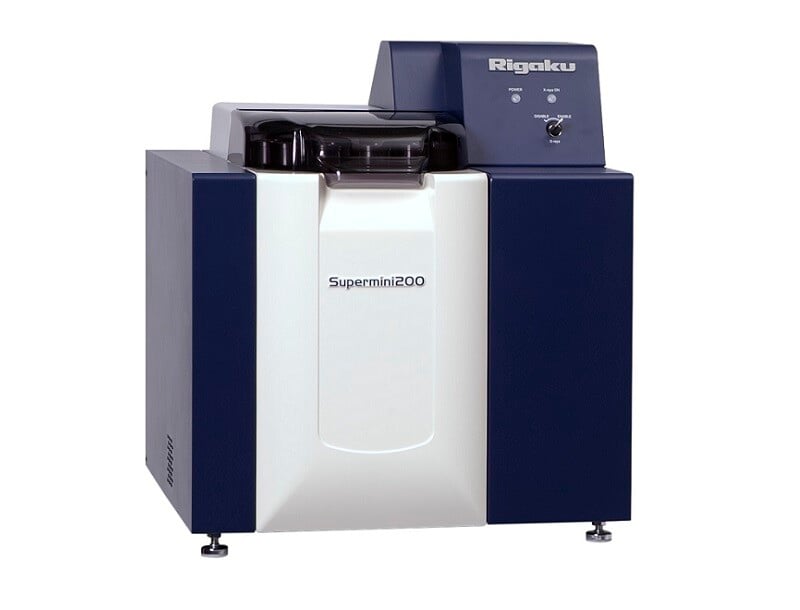
Sequenzielles Benchtop-WDRFA-Spektrometer mit Röhre unterhalb der Probe zur Analyse von O bis U in Feststoffen, Flüssigkeiten und Pulvern.
Mehr erfahrenMiniFlex XpC
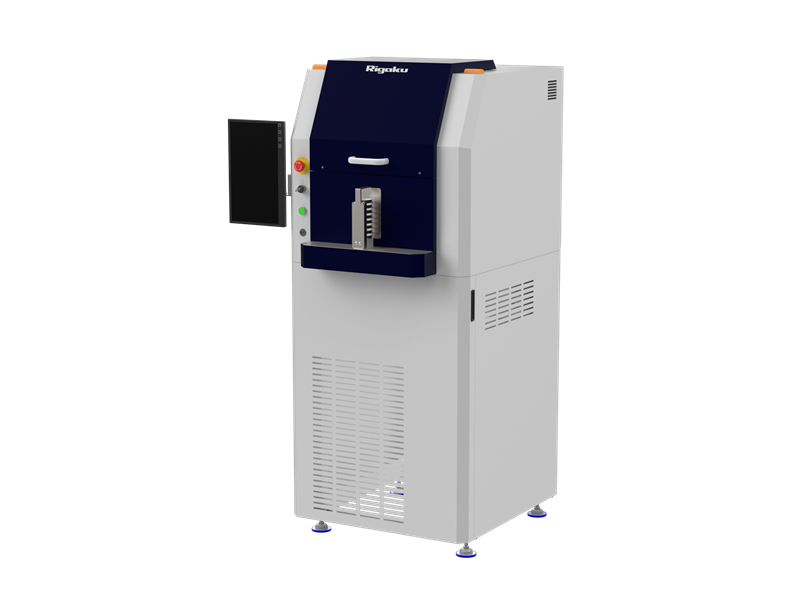
Kompaktes Röntgendiffraktometer zur Qualitätskontrolle von Materialien, benutzerfreundlich und ideal für Routineaufgaben.
Mehr erfahrenZSX Primus III NEXT
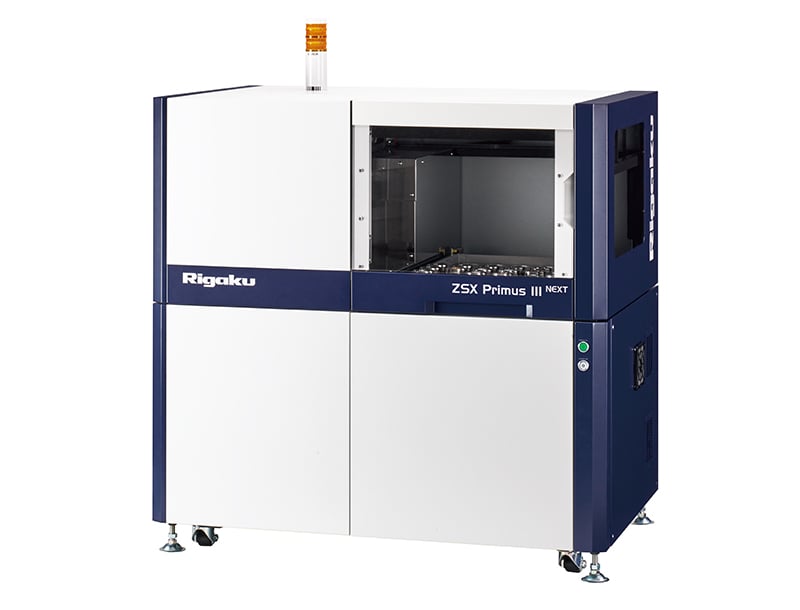
Kostengünstiges High-End-Industrie-WDRFA mit Röhre oberhalb der Probe für die Analyse fester Proben.
Mehr erfahrenSimultix 15
Simultanes Hochdurchsatz-Mehrkanal-Spektrometer mit Röhre oberhalb der Probe zur Analyse von Be bis U.
Mehr erfahrenApplication Notes
Sehen Sie sich die Beispielanalysen an, um herauszufinden, welche Analysetechnik für Sie die richtige ist.
-
XRT1059 - Online Sulfur in Heavy Oils
-
XRD1014 - Ab-initio Crystal Structure Determination of a Cu-MOF Using Powder Diffraction Data Obtained from a Benchtop X-ray Diffractometer
-
WDXRF1122 - Silicate Rock Analysis by Fusion Bead Method on ZSX Primus III NEXT
-
WDXRF1118 - Quality and Process Control Analysis of Natural and Processed Iron Ores by the Pressed Powder Method
-
WDXRF1117 - Lead Analysis in Gasoline — ASTM D5059-21 — using WDXRF ZSX Primus IV𝒾
-
WDXRF1116 - Lead Analysis in Gasoline — ASTM D5059-21 — using Benchtop WDXRF Supermini200
-
WDXRF1111 - FeO Analysis in Iron Ore Sinters Using the XRD Channel on multi-channel XRF Spectrometer Simultix 15
-
WDXRF1109 - Automatic Quant Application Setup Applied to Calibrating Coal Fly Ash Fused Beads
-
WDXRF1108 - Sulfur Analysis in Crude Oil and High-sulfur Fuels by WDXRF according to ASTM D2622-16
-
WDXRF1107 - Analysis of Low-concentration Sulfur in Petroleum-based Fuels by WDXRF According to ASTM D2622-16
-
WDXRF1106 - Sulfur Analysis in Petroleum Products by WDXRF according to ASTM D2622-16
-
WDXRF1105 - Lubricating Oil Analysis by WDXRF According to ASTM D6443-14
-
WDXRF1104 - Analysis of S, Fe, Ni and V in Residual Oil According to IP610/13
-
WDXRF1102 - Standardless FP Analysis of Plant, Animal and Food Samples Applying Correction by Scattering Line
-
WDXRF1100 - Fused Bead Analysis for Wide Concentration Ranges of Various Oxide Materials using OXIDE-FB-PAK
-
WDXRF1094 - Quality and Process Control of Natural and Processed Iron Ores by the Pressed Powder Method on Simultix 15
-
WDXRF1092 - Fixed Angle Measurement using the Semi-Quantitative Analysis Function SQX of ZSX Guidance Software
-
WDXRF1090 - Semi-quantitative Analysis of Recycled Solid Fuel with Benchtop WDXRF Supermini200
-
WDXRF1089 - Analysis of Hazardous Heavy Elements in Soil and Sediment using ZSX Primus IV
-
WDXRF1086 - Boron and Fluorine Quantitative Analysis for Water Solution by Micro-droplet Method using Ultra Carry Filter Paper
-
WDXRF1085 - Trace Element Analysis for Water Solution by Micro-droplet Method using Ultra Carry Filter Paper
-
WDXRF1083 - Analysis of Ultralow Sulfur in Automotive Fuels According to ASTM D2622-16 by Micro-Z ULS
-
WDXRF1082 - Sulfur Analysis in Crude Oil and high-sulfur Fuels by Benchtop WDXRF according to ASTM D2622-16
-
WDXRF1081 - Analysis of Low-concentration Sulfur in Petroleum-based Fuels by Benchtop WDXRF according to ASTM D2622-16
-
WDXRF1080 - Sulfur Analysis in Petroleum Products by Benchtop WDXRF According to ASTM D2622-16
-
WDXRF1079 - Lubricating Oil Analysis by Benchtop WDXRF according to ASTM D6443-14
-
WDXRF1077 - Sulfur Analysis in Crude Oil and High-sulfur Fuels by WDXRF according to ASTM D2622-16
-
WDXRF1076 - Analysis of Low-concentration Sulfur in Petroleum-based Fuels per ASTM D2622-16
-
WDXRF1070 - Chlorine Analysis of Aluminosilicate for Fluid Catalytic Cracking Catalyst by WDXRF
-
WDXRF1067 - Fast and Accurate Determination of the Composition of Natural and Processed Iron Ores by the Fusion Method on Simultix 15
-
WDXRF1060 - Elemental Determination of Whole Coal by the Pressed Powder Method
-
WDXRF1054 - Analysis of S, Fe, Ni and V in Residual Oil According to IP610/13
-
WDXRF1048 - Fused Bead Analysis for Wide Concentration Ranges of Various Oxide Materials on Benchtop WDXRF
-
WDXRF1041 - Copper Concentrate by Pressed Powder Method
-
TA6015 - Thermal Decomposition of Asbestos Analyzed by Thermo Mass Photo
-
RACCT9020 - Three sandstone porosity comparison by X-ray CT
-
RACCT9019 - Sandstone pore network analysis by X-ray CT
-
RACCT9018 - Sandstone Grain Size Analysis by X-ray CT
-
RACCT9017 - Sand Oil and Brine Segmentation by X-ray CT
-
RACCT9016 - Rock Crack Analysis by X-ray CT
-
RACCT9015 - Granite Phase Fraction Analysis by X-ray CT
-
RACCT9014 - Carbonate porosity analysis by X-ray CT - Segmentation comparison
-
RACCT9013 - Ammonite Fossil Scan by X-ray CT
-
EDXRF3279 - NEX QC II - Sulfur in Oil by ASTM D4294
-
EDXRF3272 - NEX QC II+ - Analysis of Lube Oils by ASTM D7751
-
EDXRF3236 - NEX QC II+ - Metals in Crude and Residual Oil per ASTM D8252
-
EDXRF3150 - NEX QC+ QuantEZ—Analysis of Black Mass for Lithium Battery Recycling
-
EDXRF3144 - NEX CG II - Analysis of Lube Oils by ASTM D7751
-
EDXRF3142 - NEX CG II - Analysis of Coal Fly Ash
-
EDXRF3137 - NEX CG II - Ultra Carry Detection Limits
-
EDXRF3134 - NEX CG II - Analysis of Rare Earth Elements in Clay
-
EDXRF3133 - NEX CG II - Analysis of Air Filters - U.S. EPA Sensitivity
-
EDXRF3122 - NEX CG II - Ultra Carry Detection Limits
-
EDXRF3074 - NEX DE—Air Filter Detection Limits
-
EDXRF3064 - NEX CG II - Analysis of Air Filters - U.S. EPA Sensitivity
-
EDXRF3001 - NEX CG II - Pb in Gasoline by ASTM D5059 Methods C and A
-
EDXRF3000 - NEX CG II - EPA Tier 3 Gasoline
-
EDXRF2099 - Manganese in Gasoline by ASTM D5059 Method D
-
EDXRF2096 - Organic Chlorides in Crude by ASTM D4929 Procedure C
-
EDXRF2095 - Analysis of ULSD
-
EDXRF2039 - NEX QC+—Cl and S in Waste Oil and Used Oil
-
EDXRF1984 - NEX QC+ QuantEZ—Cl, Pb and Metals in Refuse Derived Fuel
-
EDXRF1970 - Metals in Crude and Resid as per ASTM D8252
-
EDXRF1943 - NEX QC+ QuantEZ—Pt, Pd, Rh in Recycled Automotive Catalysts
-
EDXRF1924 - NEX QC—Marine Fuel Analyzer
-
EDXRF1923 - NEX DE—Organic Chlorides in Crude by ASTM D4929 Procedure C
-
EDXRF1915 - NEX DE—Nuclear Power Station Cooling Water Filters
-
EDXRF1893 - NEX QC+—Analysis of Lead in Gasoline by ASTM D5059 Bi IS Method
-
EDXRF1856 - NEX DE—Additive Elements in Lubricating Oils ASTM D7751
-
EDXRF1846 - NEX DE—Analysis of Carbon Black
-
EDXRF1844 - NEX DE VS—RoHS Metals-Pak Rapid Screening by XRF
-
EDXRF1807 - NEX DE VS—RoHS Lead-Free Solder-Pak Rapid Screening by XRF
-
EDXRF1803 - NEX DE VS—RoHS PE-Pak Rapid Screening by XRF
-
EDXRF1769 - NEX QC+ QuantEZ—Mud Logging
-
EDXRF1760 - NEX QC+—Manganese in Gasoline
-
EDXRF1759 - NEX QC—Manganese in Gasoline
-
EDXRF1658 - NEX DE—Analysis of ULSD
-
EDXRF1614 - NEX QC+—High Calcium Limestone
-
EDXRF1602 - NEX DE VS—RoHS PE by Empirical Method
-
EDXRF1592 - NEX QC+—Complex Lube Oils
-
EDXRF1587 - NEX QC+—MgO & P₂O₅ in Phosphate Rock
-
EDXRF1576 - NEX DE—Gold Recovery
-
EDXRF1575 - NEX DE—Analysis of Silver and Copper in Ore
-
EDXRF1549 - NEX DE—Analysis of Metals in Aerosols on Air Filters
-
EDXRF1537 - NEX DE—Gold Processing
-
EDXRF1527 - NEX QC+—Phosphorus in Coal
-
EDXRF1521 - NEX DE—Analysis of S, Ca, V, Fe, Ni in Crude Oil
-
EDXRF1507 - NEX QC+—Activated Carbon
-
EDXRF1495 - Analysis of Lead (Pb) / Zinc (Zn) Ore
-
EDXRF1480 - NEX QC+—Analysis of Iron Concentrates
-
EDXRF1457 - NEX QC—Copper in Ore
-
EDXRF1442 - NEX QC+—Analysis of Lead in Gasoline
-
EDXRF1438 - NEX QC—Analysis of Lead in Gasoline
-
EDXRF1420 - NEX QC+—Chlorine and Ash in Biomass
-
EDXRF1419 - NEX QC+—Sulfur, Chlorine, and Ash in Coal
-
EDXRF1366 - NEX QC+—Analysis of Metals in Nickel Ore
-
EDXRF1352 - NEX QC+—Analysis of Clay
-
EDXRF1343 - NEX QC+—Electric Arc Furnace Slag
-
EDXRF1331 - NEX QC+—Sulfur and Chlorine in Crude
-
EDXRF1323 - NEX QC+—Analysis of S, V, Ni in Crude Oil
-
EDXRF1312 - NEX QC+—Analysis of Lube Oils
-
EDXRF1299 - NEX QC+—Gold Processing
-
EDXRF1293 - NEX QC—Analysis of S, Ni, V, Fe in Residual Oil
-
EDXRF1286 - NEX QC - Iron in Ore
-
EDXRF1272 - NEX QC+—Analysis of ULSD and Gasoline
-
EDXRF1255 - NEX QC—Sulfur in Gypsum
-
EDXRF1249 - NEX QC—Analysis of Lube Oils per ASTM D6481
-
EDXRF1231 - NEX QC—Sulfur in Coal
-
EDXRF1230 - NEX QC—Sulfur in Bunker Fuel
-
EDXRF1187 - NEX QC—Ti & Fe in Kaolin Clay
-
EDXRF1177 - NEX QC—Iron Oxide in Silica Sand
-
EDXRF1149 - NEX QC—Sulfur in Crude
-
EDXRF1135 - NEX QC—Analysis of Sulfur in Diesel Fuel per ASTM D4294
-
EDXRF1108 - Analysis of Limestone
-
EDXRF1033 - Chlorine and RoHS Elements in Polyethylene
-
B-XRD1172 - Phase Identification and Quantitative Analysis of Rare Earth Ore by X-ray Diffraction
-
B-XRD1168 - Phase identification and Quantitative Analysis of Nickel Ore by X-ray Diffraction
-
B-XRD1166 - Phase Identification and Quantitative Analysis of Copper Ore by X-ray Diffraction
-
B-XRD1165 - Phase Identification and Quantitative Analysis of Iron Ore by X-ray Diffraction
-
B-XRD1127 - Background Reduction for Iron Oxide with CuKα X-rays using XRF Mode
-
B-XRD1125 - Quantification of the Taste of Salt by DD (Direct Derivation) Method
-
B-XRD1111 - Quantitative Analysis of 3-component Sample by DD method
-
B-XRD1103 - Phase Identification of a Coarse-grained Trace Component in a Mineral Powder using 2D XRD
-
B-XRD1101 - High-T analysis - MiniFlex with HyPix-400 MF / BTS 500
-
B-XRD1002 - Quantification of a 4-component Sample using RIR method
-
B-XRD1001 - Quantitative Analysis of a 4-component Sample
-
B-TA2047 - Evaluation of Biomass-Coal Co-Combustion by TG-FTIR
-
B-TA2039 - Evaluation of Biomass Plastics by TG-FTIR
-
B-TA2024 - Evaluation of Perovskite Solar Cell Material by Sample observation TG-MS
-
B-TA1091 - Analysis of Soils by STA Differences Depending on Sampling Location
-
B-TA1080 - Semi-Quantitative Evaluation of Serpentine Content in Serpentinite by Sample Controlled Thermogravimetry (SCTG)
-
B-TA1077 - Evaluation of Thermal Decomposition Behavior of Limestone - Quantitative Analysis of Decarbonation by TG-DSC
-
B-TA1076 - Wax in Diesel Fuel: Crystallization (WAT) and Melting (WDT)
-
B-TA1060 - Wax Appearance Temperature in Diesel Oil
-
B-TA1059 - Differences in Decomposition Behavior of Degraded Engine Oils
-
B-TA1006 - Microplastics (MP) Characterization by TG-DSC
Kontakt
Egal ob Sie ein Angebot möchten, eine Demo wünschen, technischen Support benötigen oder einfach eine Frage haben, wir sind für Sie da.

Abonnieren Sie den Newsletter The Bridge
Bleiben Sie auf dem Laufenden über Neuigkeiten aus der Materialanalyse, bevorstehende Konferenzen, Webinare und Podcasts und lernen Sie neue Analysetechniken und -anwendungen kennen.