Nanotechnologie und Materialwissenschaft
Röntgenanalytik für Einblicke vom atomaren bis in den Nanometerbereich
Aufgrund ihrer kurzen Wellenlänge sind Röntgenstrahlen die optimale Messmethode zur Untersuchung von Strukturen im atomaren bis nanometergroßen Maßstab. Instrumente und Technologien zur Röntgendiffraktion (XRD) und Streuung spielen in diesen Bereichen eine wesentliche Rolle. Wir bieten auch Röntgenfluoreszenzspektrometer (RFA) für die Element-Analyse, Röntgen-Computertomographie (CT) für die zerstörungsfreie Bildgebung und thermische Analysegeräte für thermodynamische Studien. Die einfach zu bedienenden Analysegeräte von Rigaku können all diese Materialanalysen vereinfachen, so dass Sie sich auf Ihre Aufgaben konzentrieren können.
Verwandte Branchen
Wählen Sie Ihr Forschungsgebiet oder Ihre Branche und erfahren Sie mehr.
Materialwissenschaftliche Forschung
RFA-, XRD- und Röntgenstreutechniken ermöglichen eine detaillierte Analyse der Elementzusammensetzung, der kristallinen Phasen, der Schichtdicke und der Molekularstruktur in verschiedenen Bereichen wie Biologie, Chemie, Physik und Technik.
Mehr erfahren >
Nanotechnologie
Mit XRD können atomare Abstände in verschiedenen Nanostrukturen gemessen werden, während die Röntgenkleinwinkelstreuung (SAXS) Informationen über Strukturen und Morphologien im Nanomaßstab liefert. Beide Techniken spielen eine entscheidende Rolle in der nanotechnologischen Materialforschung.
Mehr erfahren >
Fortschrittliche & neue Materialien
Die Forschung an neuen Werkstoffen stößt oft an die Grenzen herkömmlicher Analysetechniken und erfordert die Untersuchung extrem dünner Schichten oder die Abbildung einzelner Versetzungen auf einem 12-Zoll-Wafer. Wir arbeiten seit Jahrzehnten mit führenden Unternehmen der Branche zusammen, um neue Techniken zu entwickeln, die diesen Anforderungen gerecht werden.
Mehr erfahren >
Chemie
Wir bieten umfassende Lösungen für RFA, XRD, SAXS, Röntgenbildgebung, thermische Analyse und Raman-Spektroskopie zur Untersuchung von Flüssigkeiten, Pulvern, Feststoffen, Filmen oder Einkristallen. Diese Instrumente sind alle einfach zu bedienen und unterstützen sowohl die akademische als auch die industrielle Forschung.
Mehr erfahren >
Beschichtungen und Dünnschichten
Beschichtungen und Dünnschichten erfordern optimierte Analysetechniken. Wir bieten RFA und XRR für die Bestimmung von Dicke und Zusammensetzung sowie XRD für kristallographische Orientierungs- und Texturanalysen. Diese Instrumente werden von der Prozesskontrolle bis hin zur akademischen Forschung weithin eingesetzt.
Mehr erfahren >
Metalle und Legierungen
Festigkeit und Unversehrtheit sind oft kritische Eigenschaften von Metallteilen, die mit verschiedenen Analysetechniken untersucht und kontrolliert werden können, z. B. RFA für die Element-Zusammensetzung, XRD für die kristalline Phase und Orientierung sowie Röntgen-CT für Hohlräume und Risse.
Mehr erfahren >
Polymere und Kunststoffe
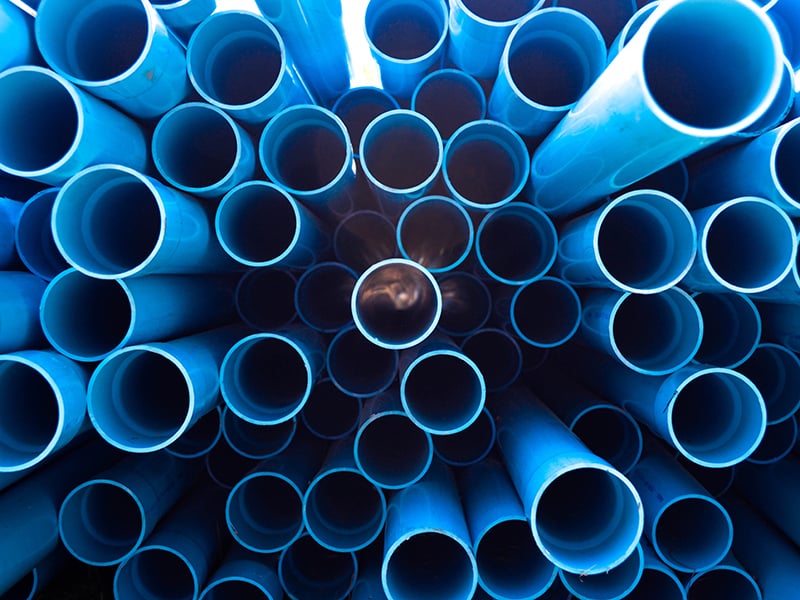
Polymere und Kunststoffe haben verschiedene Aspekte, die für Forschung und Prozesskontrolle untersucht werden müssen. RFA identifiziert die Konzentrationen von Additiven und beachtet dabei die RoHS/WEEE-Vorschriften. XRD identifiziert Polymorphien und berechnet den prozentualen Kristallinitätsgrad. SAXS erforscht periodische Strukturen im Nanobereich, und Röntgen-CT zeigt Poren und Füllstoffe auf.
Mehr erfahren >
Verbundwerkstoffe
Verbundwerkstoffe sind eine Kombination aus zwei oder mehr Materialien, und die Verteilung der einzelnen Elemente beeinflusst die Eigenschaften des Materials. Die hochauflösende Röntgen-CT ist eine leistungsstarke Technik, mit der Größe, Form und Verteilung von Fasern und Füllstoffen in Verbundwerkstoffen dargestellt werden können.
Mehr erfahren >
Keramik
Die Röntgenfluoreszenzanalyse (XRD) ist eine der am häufigsten verwendeten Techniken zur Untersuchung der Zusammensetzung und der Strukturen der kristallinen Phasen, die die Eigenschaften von Keramiken erheblich beeinflussen können. RFA wird auch für Element-Analysen verwendet.
Mehr erfahren >Empfohlene Produkte
Viele Produkte leisten einen Beitrag zu den Bereichen Nanotechnologie und Materialwissenschaften. Nutzen Sie den Produktfinder, um das für Ihre Anforderungen am besten geeignete Produkt zu finden.
SmartLab
Fortschrittliches, hochauflösendes High-End-XRD-System, unterstützt durch die Guidance-Expertensoftware.
Mehr erfahrenZSX Primus IVi
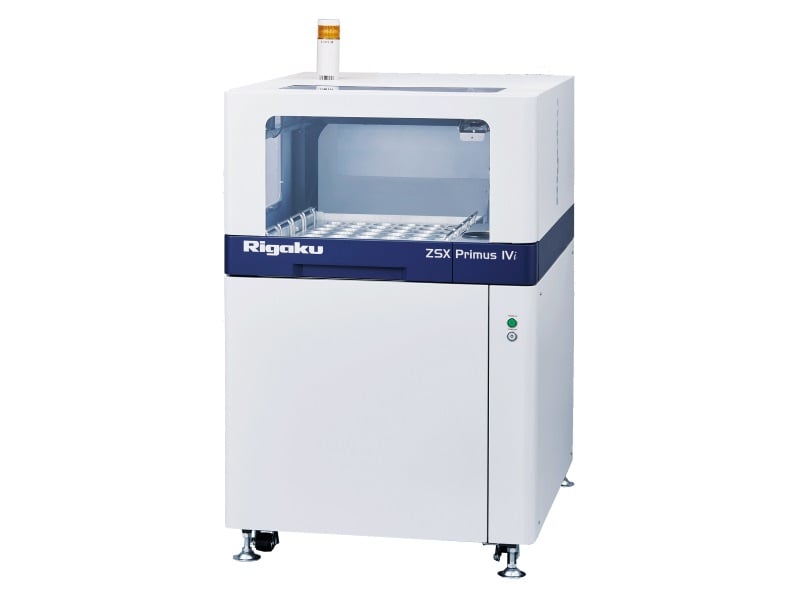
Sequenzielles Hochleistungs-WDRFA-Spektrometer mit der Röhre unterhalb der Probe und neuer ZSX Guidance-Expertensoftware.
Mehr erfahrenXtaLAB Synergy-ED
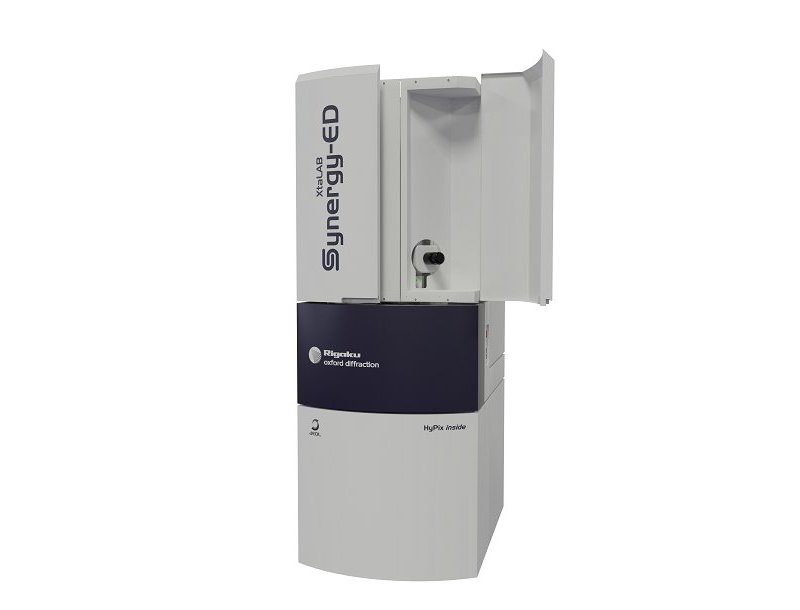
Neues, vollständig integriertes Elektronen-Diffraktometer zur Messung von Submikron-Kristallen, mit nahtlosem Workflow von der Datenerfassung bis zur Strukturbestimmung.
Mehr erfahrenMiniFlex
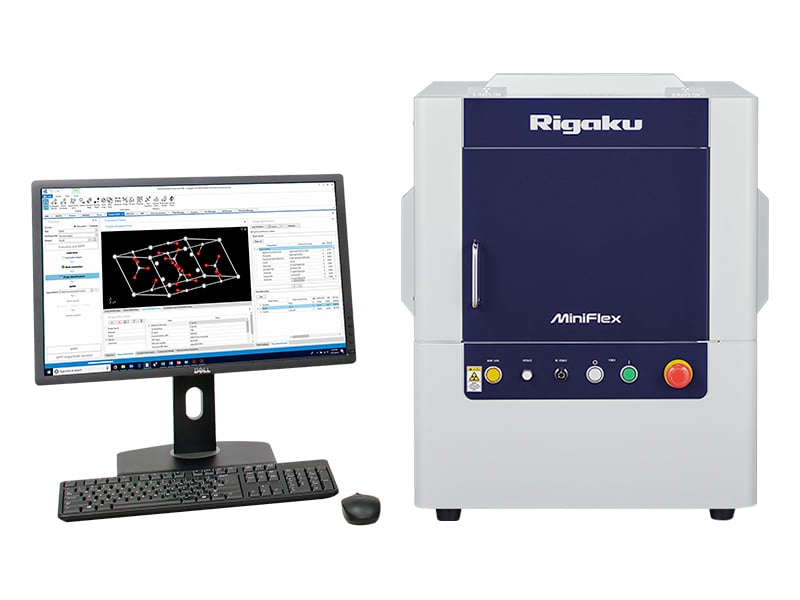
Neues Röntgendiffraktionssystem der sechsten Generation für allgemeine Anwendungen zur Phasenidentifikation und Phasenquantifizierung.
Mehr erfahrenSupermini200
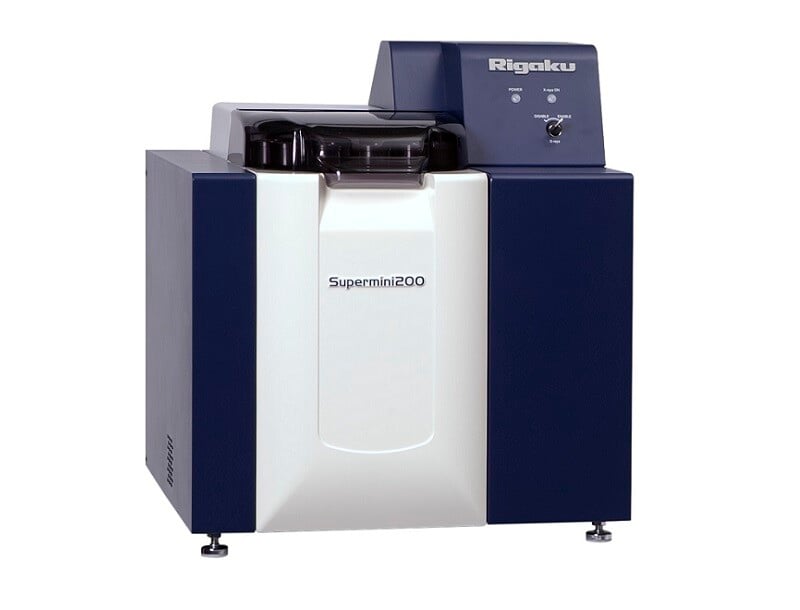
Sequenzielles Benchtop-WDRFA-Spektrometer mit Röhre unterhalb der Probe zur Analyse von O bis U in Feststoffen, Flüssigkeiten und Pulvern.
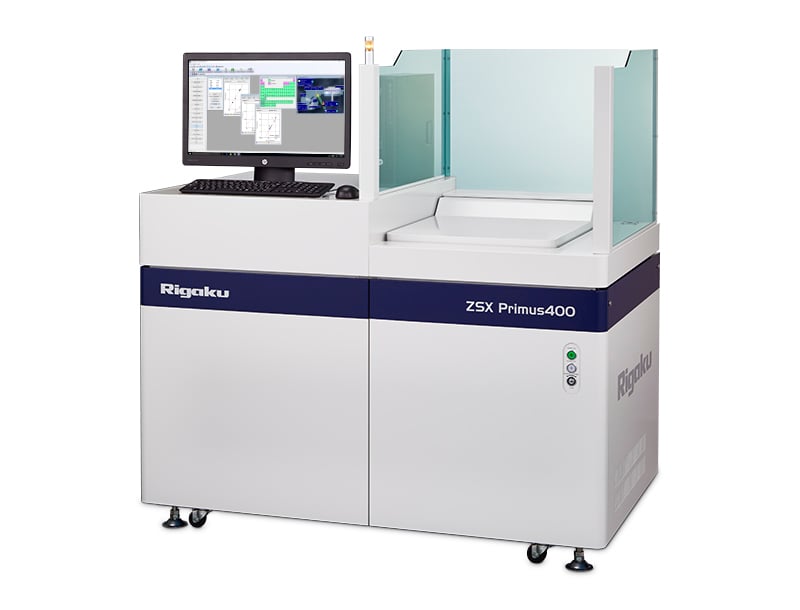
Mehr erfahrenZSX Primus400
WDRFA-Spektrometer für die Analyse sehr großer und/oder schwerer Proben.
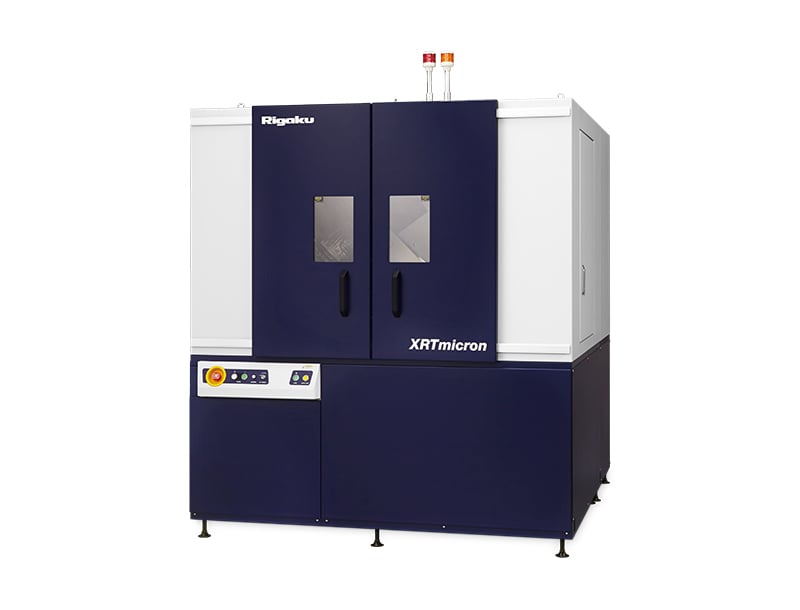
Mehr erfahrenXRTmicron (Lab)
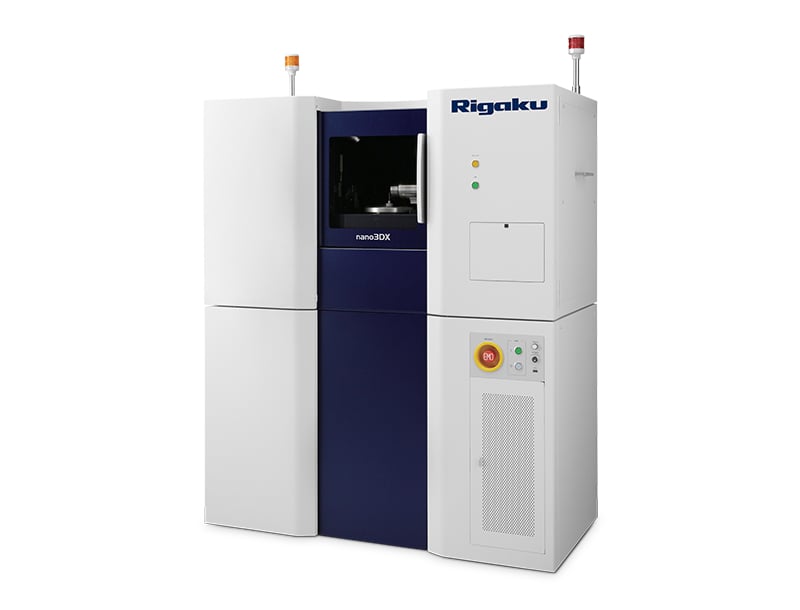
XRT-(Röntgentopographie)-Bildgebungssystem für neue Leistungselektronik, Optoelektronik und 5G/6G-Kommunikation (SiC, GaN, GaAs, InP, Ga₂O₃) für Wafer bis zu 300 mm.
Mehr erfahrenDSCvesta2
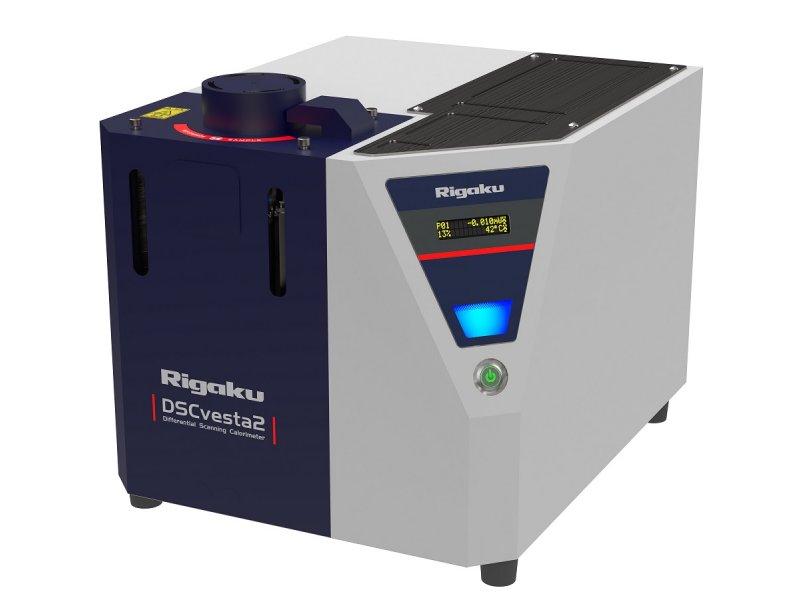
DSC mit branchenweit erster Selbstdiagnosefunktion und dem höchsten Temperaturbereich der Branche.
Mehr erfahrenApplication Notes

Sehen Sie sich die Beispielanalysen an, um herauszufinden, welche Analysetechnik für Sie die richtige ist.
-
XRT1539 - Co, Br, Mn in TPA and PTA
-
XRT1336 - Gold Processing
-
XRF1131 - Standardless FP Analysis of Lithium-ion Battery Cathode Material LiFePO₄ by ZSX Primus IV
-
XRD2001 - Orientation and Residual Stress Evaluation in Metal Thin Films
-
XRD1014 - Ab-initio Crystal Structure Determination of a Cu-MOF Using Powder Diffraction Data Obtained from a Benchtop X-ray Diffractometer
-
XCT2101 - Textile and Fiber Industry using the nano3DX
-
WDXRF1126 - Accurate Quantitative Analysis of Ferrosilicon by the Fusion Method using ZSX Primus III NEXT
-
WDXRF1123 - Quantitative Analysis of Stainless Steel using the ZSX Primus III NEXT
-
WDXRF1121 - Quantitative Analysis of Cast Iron using ZSX Primus III NEXT
-
WDXRF1120 - Quantitative Analysis of Low Alloy Steel using the ZSX Primus III NEXT
-
WDXRF1100 - Fused Bead Analysis for Wide Concentration Ranges of Various Oxide Materials using OXIDE-FB-PAK
-
WDXRF1098 - Fe, Ni and Co Alloy Analysis by the Fundamental Parameter Method using the Simultix 15
-
WDXRF1096 - Fe, Ni and Co Based Alloy Analysis by Fundamental Parameter Method using ZSX Primus III+
-
WDXRF1094 - Quality and Process Control of Natural and Processed Iron Ores by the Pressed Powder Method on Simultix 15
-
WDXRF1092 - Fixed Angle Measurement using the Semi-Quantitative Analysis Function SQX of ZSX Guidance Software
-
WDXRF1091 - Beryllium Analysis in Beryllium Copper Alloy using ZSX Primus IV with RX85
-
WDXRF1088 - Boron Analysis in Glass Powder
-
WDXRF1062 - Quantitative Analysis of Soda-lime Glass
-
WDXRF1055 - Quantitative Analysis of Aluminum Alloy on Supermini200
-
WDXRF1052 - Accurate Determination for Elements in Laterite Ores by Pressed Powder Method
-
WDXRF1042 - Quantitative Analysis of Low Alloy Steel using the Supermini200
-
WDXRF1026 - Accurate Quantitative Analysis of Ferrosilicon by the Fusion Method
-
WDXRF1025 - Quantitative Analysis of Blast Furnace Slag by the Pressed Powder Method
-
WDXRF1024 - Quantitative Analysis of Blast Furnace Slag by Fusion Method
-
WDXRF1023 - Pt, Rh and Pd Analysis of Used Automobile Catalyst by WDXRF
-
WDXRF1021 - Quantitative Analysis of Stainless Steel
-
WDXRF1017 - Quantitative Analysis of Cast Iron
-
WDXRF1009 - Quantitative Analysis of Low Alloy Steel
-
WDXRF1002 - Analysis of Iron Ores by Oressed Powder Method
-
TA6022 - Thermal Decomposition and Combustion of Polyetheretherketone (PEEK)
-
TA6018 - Thermal Decomposition of Polyolefins
-
TA6016 - Thermal Decomposition of Polyvinyl Resins
-
TA6012 - Evaluation Amount of Water in Flour, Drug and Polymer
-
TA6011 - Determination of Compounding Ratio for Complex Material, Nylon
-
TA6009 - TG-MS Analysis for Debinding Process of Ceramics
-
TA6008 - Characterizing the Thermal Degradation of Polymer
-
TA6007 - Rapid Discrimination of Thermal Decomposition Analysis for Nylons
-
TA6003 - Evolved Gas Analysis of PEFC
-
TA6002 - Evolved Gas Analysis for Volatile Organic Compounds
-
TA6001 - Characterizing Thermal Analysis for Polymer Product
-
TA5014 - Expansion of Powder Material, Polymethyl­methacrylate (PMMA)
-
TA5013 - Softening Measurement of Coated Steel
-
TA5010 - Simulation of Sintering Condition for Ceramics
-
TA5008 - Water Absorption and Dehydration of Organic Compound α-cyclodextrin
-
TA5007 - Thermal Desorption of Aromatic Compound in Metallic Complex
-
TA5005 - Fusion of Polyethylene
-
TA5004 - Thermal Decomposition of Polyester in Water-vapor Atmosphere
-
TA-Pyrolisis - Characterization of Pyrolysis of Polymers by TG-MS
-
SMX042 - In situ crystallization and diffraction experiments with the Insight Chips liquid nano-channel holder and XtaLAB Synergy-ED
-
SMX041 - Observing a Temperature-induced Phase Transition of Cu(ta)₂, a MOF, with XtaLAB Synergy-ED
-
SMX039 - The Absolute Structure of Light-atom-containing Molecules
-
SMX038 - Rigaku Rotating Anodes: Powerful and Reliable Sources for Seamless and High-throughput Small Molecule Structure Solution
-
SMX037 - Identification of a Fungicide Degradant using the XtaLAB Synergy-ED
-
SMX036 - Comparison of Two XtaLAB Synergy Instruments
-
SMX034 - The Molecular Grabber Method: Another Crystalline Sponge using Protein
-
SMX033 - XtaLAB Synergy-ED: A True Electron Diffractometer
-
SMX032 - PDF Analysis of Glassy Materials on a Home Laboratory Diffractometer
-
SMX030 - Application of the Crystalline Sponge Method for Structure Determination of Persistent organic Pollutants of Agrochemical Degradation Products
-
SMX029 - What Is This? and Data Collection on Metal-organic Framework Microcrystals using the XtaLAB Synergy-S
-
SMX028 - Calibrating the XtaLAB Synergy-S for PDF Analysis
-
SMX027 - Micro Powder Diffraction on XtaLAB Synergy Single Crystal Diffractometers
-
SMX024 - Charge-density Data Collection on XtaLAB Synergy Diffractometers
-
SMX023 - Charge-density Data Collection on XtaLAB Synergy-S with HyPix 6000
-
SMX019 - The HyPix-6000HE Detector and Its Ability to Resolve Reflections at Close Crystal-to-Detector Distances
-
SMX018 - Structures in Seconds with What Is This?
-
SMX017 - Determining Structure of Volatile Compounds with the Crystalline Sponge Method
-
SMX011 - Superior Data Quality Achieved with the XtaLAB Synergy-i, Microfocus Mo source
-
SMX010 - A Study of the Stereochemistry of Sucrose and a Phenidate Derivative using the Copper Microfocus Source of the XtaLAB Synergy-i
-
SMX006 - Treatment of Modulated Structures in CrysAlisᴾʳᵒ
-
SMX004 - Using CrysAlisᴾʳᵒ to Elucidate Twinned Crystals by X-ray Diffraction
-
RACCT9048 - 3D Printed Superalloy
-
RACCT9027 - Aluminum Part Dimensional Analysis by X-ray CT
-
RACCT9026 - Aluminum Die Casting Void Analysis by X-ray CT
-
RACCT9006 - Superabsorbent Water Absorption Process Observation by X-ray CT
-
RACCT9005 - Shoe Sole Compression and Pore Size Analysis by X-ray CT
-
RACCT9004 - Particleboard Packing Density Analysis by X-ray CT
-
RACCT9003 - Makeup Sponge Wear and Tear Analysis by X-ray CT
-
RACCT9002 - Insulator Porosity and Cell Wall Thickness Analysis by X-ray CT
-
RACCT9001 - Earplug Pore Size Analysis by X-ray CT
-
RACCT9000 - CFRP Void and Fiber Analysis by X-ray CT
-
EDXRF3269 - NEX QC II - Silicone Coat Weight on Paper and Plastic
-
EDXRF3197 - NEX QC+ QuantEZ - Additives in Polymers
-
EDXRF3150 - NEX QC+ QuantEZ—Analysis of Black Mass for Lithium Battery Recycling
-
EDXRF3144 - NEX CG II - Analysis of Lube Oils by ASTM D7751
-
EDXRF1994 - Material Identification
-
EDXRF1990 - NEX QC—Plating Baths
-
EDXRF1978 - NEX DE Series—Analysis of Alloy Powders for Metal 3D Printing
-
EDXRF1933 - NEX DE Series—Catalysts Residue and Heavy Metal Screening in Pharma Formulation Process Chemistry
-
EDXRF1904 - NEX QC+—Chromium on HDG Steel
-
EDXRF1884 - Alloy Powders for 3D Printing
-
EDXRF1853 - Analysis of Fiberglass
-
EDXRF1846 - NEX DE—Analysis of Carbon Black
-
EDXRF1834 - NEX QC+—Titanium on Steel
-
EDXRF1812 - NEX QC+—Phosphorus on Steel
-
EDXRF1720 - NEX DE VS—Electroless Nickel Plating
-
EDXRF1693 - NEX DE Series—Ni:Fe Metallurgy
-
EDXRF1631 - NEX QC+—Zirconium on Aluminum
-
EDXRF1630 - NEX QC—Zirconium on Aluminum
-
EDXRF1620 - NEX QC—Titanium on Aluminum
-
EDXRF1619 - NEX QC+—Titanium on Aluminum
-
EDXRF1606 - NEX QC+—Chromium on Aluminum
-
EDXRF1605 - NEX QC—Chromium on Aluminum
-
EDXRF1595 - NEX QC+ QuantEZ—Metals & Alloys
-
EDXRF1559 - NEX QC+—Low Silicone Coating on Plastic
-
EDXRF1550 - NEX DE VS—Lead-free Solder
-
EDXRF1537 - NEX DE—Gold Processing
-
EDXRF1422 - NEX QC+—Silicone Coating on Paper and Plastic
-
EDXRF1343 - NEX QC+—Electric Arc Furnace Slag
-
EDXRF1187 - NEX QC—Ti & Fe in Kaolin Clay
-
EDXRF1140 - NEX QC—Silicone Coating on Paper and Plastic
-
EDXRF1033 - Chlorine and RoHS Elements in Polyethylene
-
EDXRF1023 - Analysis of PVC Resins
-
B-XRI1035 - Ceramic Additive Manufacturing
-
B-XRI1034 - 3D Printed Titanium Rods
-
B-XRI1033 - Respirator Cartridge
-
B-XRI1024 - Fiber orientation analysis of short fibers in GFRPs by micro X-ray CT
-
B-XRI1016 - Observation and Analysis of Laminated Films by Micro X-ray CT
-
B-XRI1007 - Visualization of Components in Ceramic Composites using a High-resolution 3D X-ray Microscope
-
B-XRI1004 - Visualization and Size Analysis of Foreign Matter in CFRP using a High-resolution 3D X-ray Microscope
-
B-XRD3007 - Tri-axial Stress Analysis of a Multilayer Ceramic Capacitor (MLCC)
-
B-XRD2039 - Observation of Anisotropic and Nonlinear Thermal Expansion of Thin Films on Substrates by In-Plane X-ray Diffraction
-
B-XRD2037 - Evaluation of Native Oxide Film on Larger-diameter Silicon Substrates Using High-precision Thin Film XRD for Advanced Research
-
B-XRD2032 - Observation of Orientation State of Polypropylene Film Products by 2D-GIWAXS Measurement
-
B-XRD1170 - Phase Identification of a Black Foreign Material on a Sintered BaTiO₃ Ceramic using Micro-area X-ray Diffraction
-
B-XRD1169 - Temperature-dependent Analysis of Polymer Crystallization Behavior Using High-speed Time-resolved Measurement
-
B-XRD1162 - In-situ Evaluation of Orientation in Polymer Films at Different Draw Ratios by Wide Angle X-ray Scattering
-
B-XRD1149 - Evaluation of Barium Titanate Polymorphs by Rietveld Analysis
-
B-XRD1143 - Verifying the Validity of Crystallite Sizes Determined by the FP Method
-
B-XRD1139 - Calculation of Molecular Stacking Spacing of Copper Phthalocyanine using PDF Analysis
-
B-XRD1136 - Structural Characterization of Zeolite by Electron Density Analysis
-
B-XRD1132 - Quantitative Analysis of Glass with the DD Method
-
B-XRD1131 - Structural Characterization of Zeolite by PDF Analysis
-
B-XRD1119 - Quantitative Characterization of Polymer film by Orientation Function
-
B-XRD1118 - Quick Pole Figure Measurement of a Metal Material using 2DD
-
B-XRD1117 - Observation of a Phase Transition at High Temperature under Various Atmospheres
-
B-XRD1115 - Quantitative Analysis of γ-Al₂O₃ by the DD Method
-
B-XRD1112 - Structural Analysis of Amorphous Silica by PDF Analysis
-
B-XRD1110 - Particle Size Distribution Analysis of Ferroelectric Nanopowder by USAXS
-
B-XRD1109 - Structure Determination of Ferroelectric Nano-powder by PDF Analysis
-
B-XRD1105 - High-speed in-situ Measurement of Melting Process of Metal
-
B-XRD1104 - Evaluation of Grain Condition and Orientation of Cemented carbide using 2D XRD
-
B-XRD1102 - Particle Size / Distribution of Pigment Ink by USAXS
-
B-XRD1072 - Crystallite Size Analysis Analysis of a Microvolume of Metallic Nanoparticles with a Benchtop X-ray Diffractometer
-
B-XRD1071 - Crystallite Size Analysis of a Catalyst Material by the Scherrer Method
-
B-XRD1063 - Measurement of a Film Sample
-
B-XRD1060 - MiniFlex Measurement of Trace Samples
-
B-XRD1044 - Crystal Phase Identification of Carbide Tips by Micro-area 2D X-ray Diffraction
-
B-XRD1030 - Particle Diameter Distribution of Gold Nanoparticles
-
B-XRD1018 - Crystallite Size Distribution of Zinc Oxide Nanoparticles
-
B-XRD1014 - Crystal Orientation Analysis of Rolled Sheet Material by Pole Figure Measurement
-
B-TA2042 - Thermal Stability of Polyethylene Glycol Studied by TG-MS
-
B-TA2039 - Evaluation of Biomass Plastics by TG-FTIR
-
B-TA2032 - Qualitative Analysis of Biopolymer in Humidity Atmosphere by HUM-STA-MS
-
B-TA2028 - Thermal Decomposition of Nitrile Gloves by Sample Observation STA-MS
-
B-TA2027 - Evolved Gas Analysis of Polyacetal
-
B-TA2019 - TG-MS Analysis of Apatite-1
-
B-TA2007 - TG-MS of Tobacco: Part 2
-
B-TA2006 - TG-MS of Tobacco: Part 1
-
B-TA1095 - Dynamic DSC (Temperature Modulated DSC) : Evaluation of Thermal History in Wire and Cable Insulation Polymers
-
B-TA1094 - Degradation of Rubber Due to Outdoor Exposure (2) Evaluation of the Load Dependence of Deformation Characteristics Using TMA
-
B-TA1093 - DSC Evaluation of the Effect of Outdoor Exposure on the Glass Transition Temperature of Natural Rubber
-
B-TA1092 - Effect of Curing Time on Epoxy Adhesive Bond Strength Evaluated by TMA
-
B-TA1088 - Expansion and Shrinkage of Fibers under Load Variation; Effect of Degradation
-
B-TA1087 - Expansion and Shrinkage of Fibers Induced by Humidity Changes
-
B-TA1085 - Analysis of Amorphous PMMA -Sample Observation STA, ChromTA (Chromatic Thermal Analysis)
-
B-TA1083 - Color Change Induced by Surface Oxidation of Stainless steel Sample Observation STA; ChromTA
-
B-TA1082 - Analysis of amorphous PET -Sample Observation STA, ChromTA (Chromatic Thermal Analysis)
-
B-TA1081 - TG‑DTA Evaluation of Epoxy Resin Using Sample Observation Function
-
B-TA1074 - Load-dependent expansion and shrinkage of fibers
-
B-TA1073 - Combustion Behavior of Fibers: Natural and Synthetic Fibers
-
B-TA1072 - Moisture Absorption of Fibers: Mass Changes Induced by Humidity Variations
-
B-TA1070 - Thermal History Of Electrical Wire Insulating Sheath Polymer
-
B-TA1068 - TMA Measurement of Heat-Shrink Tubing
-
B-TA1065 - Glass Transition of Polymers : Effect of Cooling Rate
-
B-TA1055 - Change in the glass transition temperature due to the degradation of fluoroelastomer
-
B-TA1054 - Expansion and Shrinkage of Polyimide Films Due to Changes in Humidity
-
B-TA1053 - Expansion of Polymer Films : Differences Due to Humidity
-
B-TA1048 - Crystallization of LLDPE
-
B-TA1047 - Curing of Epoxy Adhesives by DSC
-
B-TA1046 - DSC measurement for crystallinity of HDPE
-
B-TA1039 - Measurement of glass transition of PMMA by dynamic DSC
-
B-TA1036 - Thermal Behavior of Paraffin Wax by Sample Observation DSC
-
B-TA1031 - CTA Evaluation of Thin Al Sheet by TMA Tensile Loading Method
-
B-TA1030 - Thermal Decomposition of Starch-based Filler by Sample Observation STA
-
B-TA1029 - Thermal Behavior of Calcium Sulfate Dihydrate by STA
-
B-TA1028 - Thermal Behavior of Biodegradable Plastic Straw by STA
-
B-TA1026 - Thermal Analysis of PCB by TMA
-
B-TA1024 - Evaluation of O-ring by Low-temperature TMA
-
B-TA1023 - Shape Deformation of Glass Powders
-
B-TA1015 - Oxidative Decomposition of HDPE
-
B-TA1014 - DSC Measurement of Binary Alloys
-
B-TA1012 - Measurement of Different Yarn Materials by STA
-
B-TA1010 - Thermal Behavior of Caffeine by STA and DSC
-
B-TA1008 - Mechanochemical Effect in Caffeine
-
B-TA1007 - DSC Measurement of Friction Ballpoint Pen
-
B-TA1006 - Microplastics (MP) Characterization by TG-DSC
-
B-TA1004 - Softening of Coating Material by TMA
-
B-TA1003 - The Behavior of Water Absorption and Dehydration of Organic Materials
-
B-SCX1011 - High-Speed Measurement Of A Peptide Drug Using HyPix-Arc 150°
Kontakt
Egal ob Sie ein Angebot möchten, eine Demo wünschen, technischen Support benötigen oder einfach eine Frage haben, wir sind für Sie da.

Abonnieren Sie den Newsletter The Bridge
Bleiben Sie auf dem Laufenden über Neuigkeiten aus der Materialanalyse, bevorstehende Konferenzen, Webinare und Podcasts und lernen Sie neue Analysetechniken und -anwendungen kennen.