Geologie und Mineralien
Phasen-, Element-und chemische Analyse
Bei der Untersuchung planetarer Prozesse und des Aufbaus der Erde analysieren Geologen routinemäßig die Zusammensetzung und molekulare Struktur von Gesteins- und Mineralproben. Röntgenanalytische Verfahren sind seit Langem zentrale Werkzeuge in der geologischen Forschung. Durch punktuelle Anregung, Kartierungsfunktionen und standardlose quantitative Analysen haben sie jedoch erheblich an Leistungsfähigkeit gewonnen.
Die Röntgenfluoreszenz (RFA) ist die Schlüsseltechnik zur Charakterisierung der Elementzusammensetzung von geologischen Materialien.
Die neueste Generation von wellenlängendispersiven RFA-Geräten (WDRFA) nutzt einen kleinen Analysebereich und eine XY-Stufe, um automatisch mehrere Messungen einer Probe durchzuführen und eine Karte der chemischen Zusammensetzung zu erstellen.
Schnelle Element-Analysen für Natrium bis Uran können durch den Einsatz kostengünstiger, leistungsstarker energiedispersiver Röntgenfluoreszenzgeräte (EDRFA) ohne Zerstörung, Aufschluss oder Veränderung der Probe durchgeführt werden.
Die Röntgendiffraktion (XRD) wird zur quantitativen Messung der Phasenzusammensetzung eingesetzt. Die Rietveld-Analyse von Röntgendiffraktionsdaten gilt heute als die leistungsfähigste Methode zur quantitativen Analyse kristalliner Phasen. Die Technologie und das Fachwissen von Rigaku bieten eine Reihe von einzigartigen Lösungen für diese Bestimmungen.
Application Notes
Sehen Sie sich die Beispielanalysen an, um herauszufinden, welche Analysetechnik für Sie die richtige ist.
-
WDXRF1122 - Silicate Rock Analysis by Fusion Bead Method on ZSX Primus III NEXT
-
WDXRF1118 - Quality and Process Control Analysis of Natural and Processed Iron Ores by the Pressed Powder Method
-
WDXRF1111 - FeO Analysis in Iron Ore Sinters Using the XRD Channel on multi-channel XRF Spectrometer Simultix 15
-
WDXRF1100 - Fused Bead Analysis for Wide Concentration Ranges of Various Oxide Materials using OXIDE-FB-PAK
-
WDXRF1095 - Multiple Element Determination of Nickel Sulfide Ores by the Pressed Powder Method on Simultix 15
-
WDXRF1094 - Quality and Process Control of Natural and Processed Iron Ores by the Pressed Powder Method on Simultix 15
-
WDXRF1092 - Fixed Angle Measurement using the Semi-Quantitative Analysis Function SQX of ZSX Guidance Software
-
WDXRF1090 - Semi-quantitative Analysis of Recycled Solid Fuel with Benchtop WDXRF Supermini200
-
WDXRF1089 - Analysis of Hazardous Heavy Elements in Soil and Sediment using ZSX Primus IV
-
WDXRF1084 - Mapping and Small Spot Analysis with a General-Purpose XRF Spectrometer
-
WDXRF1071 - Semi-quantitative FP Analysis of Geological Samples
-
WDXRF1068 - Silicate Rock Analysis by Fusion Method
-
WDXRF1067 - Fast and Accurate Determination of the Composition of Natural and Processed Iron Ores by the Fusion Method on Simultix 15
-
WDXRF1066 - Determination of Chemical Composition of Nickel Laterite Ore by Fusion Method
-
WDXRF1061 - Polymetallic Sulfide Ore Analysis with Supermini200
-
WDXRF1059 - Semi-quantitative Analysis of Glass Raw Materials
-
WDXRF1058 - Quantitative Analysis of Dolomite and Limestone by Pressed powder Method with Supermini200
-
WDXRF1052 - Accurate Determination for Elements in Laterite Ores by Pressed Powder Method
-
WDXRF1048 - Fused Bead Analysis for Wide Concentration Ranges of Various Oxide Materials on Benchtop WDXRF
-
WDXRF1047 - Highly Accurate Determination of Total Iron in Natural and Processed Iron Ores using Pressed Powder Method
-
WDXRF1041 - Copper Concentrate by Pressed Powder Method
-
WDXRF1036 - Semiquant Analysis by the SQX Scatter FP Method
-
WDXRF1027 - Cu Concentrate with Advanced Correction for Fused Beads
-
WDXRF1019 - Silicate Rock Analysis by Fusion Method
-
WDXRF1002 - Analysis of Iron Ores by Oressed Powder Method
-
TA5011 - The Glass Transition and Softening for Glass Material
-
TA5006 - The Difference of Aging for Materials by Thermal Analysis
-
RACCT9020 - Three sandstone porosity comparison by X-ray CT
-
RACCT9019 - Sandstone pore network analysis by X-ray CT
-
RACCT9018 - Sandstone Grain Size Analysis by X-ray CT
-
RACCT9017 - Sand Oil and Brine Segmentation by X-ray CT
-
RACCT9016 - Rock Crack Analysis by X-ray CT
-
RACCT9015 - Granite Phase Fraction Analysis by X-ray CT
-
RACCT9014 - Carbonate porosity analysis by X-ray CT - Segmentation comparison
-
RACCT9013 - Ammonite Fossil Scan by X-ray CT
-
EDXRF3134 - NEX CG II - Analysis of Rare Earth Elements in Clay
-
EDXRF1769 - NEX QC+ QuantEZ—Mud Logging
-
EDXRF1587 - NEX QC+—MgO & P₂O₅ in Phosphate Rock
-
EDXRF1187 - NEX QC—Ti & Fe in Kaolin Clay
-
EDXRF1177 - NEX QC—Iron Oxide in Silica Sand
-
B-XRD1172 - Phase Identification and Quantitative Analysis of Rare Earth Ore by X-ray Diffraction
-
B-XRD1127 - Background Reduction for Iron Oxide with CuKα X-rays using XRF Mode
-
B-XRD1125 - Quantification of the Taste of Salt by DD (Direct Derivation) Method
-
B-XRD1111 - Quantitative Analysis of 3-component Sample by DD method
-
B-XRD1103 - Phase Identification of a Coarse-grained Trace Component in a Mineral Powder using 2D XRD
-
B-XRD1101 - High-T analysis - MiniFlex with HyPix-400 MF / BTS 500
-
B-XRD1002 - Quantification of a 4-component Sample using RIR method
-
B-XRD1001 - Quantitative Analysis of a 4-component Sample
-
B-TA1091 - Analysis of Soils by STA Differences Depending on Sampling Location
-
B-TA1080 - Semi-Quantitative Evaluation of Serpentine Content in Serpentinite by Sample Controlled Thermogravimetry (SCTG)
-
B-TA1077 - Evaluation of Thermal Decomposition Behavior of Limestone - Quantitative Analysis of Decarbonation by TG-DSC
Verwandte Webinare
-
Determining the Rare Earth Elements in Geological Minerals Accurately Using X-ray FluorescenceMärz 19, 2025
-
The WDXRF Analysis of Industrial Minerals and Geological MaterialsOktober 16, 2024
-
Designing CT Image Analysis for Your Research – What to QuantifyJuli 19, 2023We invited Prof. Chandra Reedy from the University of Delaware and asked her questions about how she chose what to quantify using the CT images to extract meaningful and trustworthy information about ancient ceramics.
-
Digital Rock Physics – When and How to Use ItMai 17, 2023We invited Dr. Arne Jacob, the Application Engineer specialized in DRP from Math2Market, and asked him questions to learn how you can use DRP and apply the results to decision-making processes involved in oil and gas reservoir development and production.
-
Digital Rock Analysis - 3. Digital Rock SimulationsSeptember 14, 2022When the CT image of a rock sample has sufficient resolution and is segmented well, we can simulate the flow characteristics of the rock, obtain permeabilities, and visualize the percolation path, flow field velocity, etc. In this episode, we will look into how we can run these simulations.
-
Digital Rock Analysis - 2. Segmentation and Property AnalysesAugust 17, 2022In this episode, we will review image segmentation and calculate the basic properties of rock samples.
-
Digital Rock Analysis - 1. Data CollectionJuli 13, 2022In this episode, we will go into the lab and compare different data collection settings. Then, we will review how to collect high-quality CT images of a drill core that can be used for digital rock analysis.
-
Geology ApplicationsJuli 15, 2020A number of X-ray CT application examples of geological samples are discussed.
Empfohlene Produkte
Sie sehen nicht, was Sie suchen? Verwenden Sie den Produktfinder.
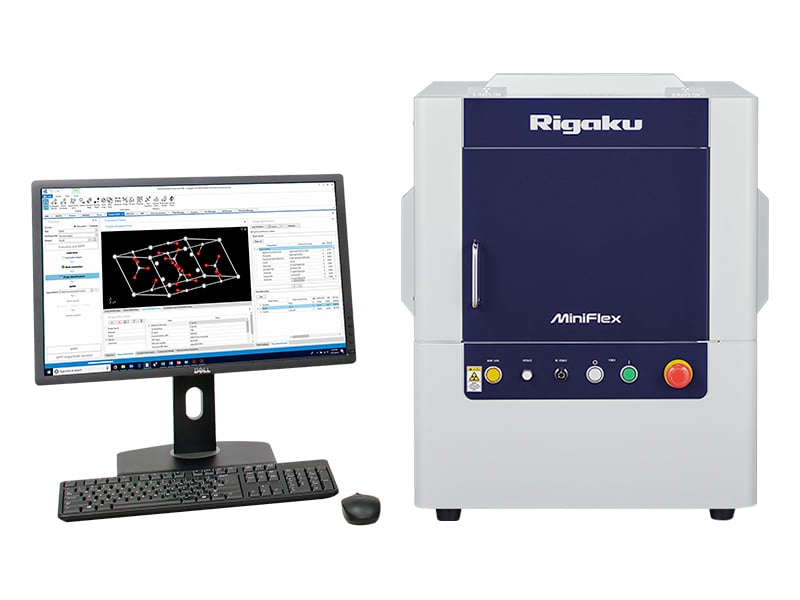
MiniFlex
Neues Röntgendiffraktionssystem der sechsten Generation für allgemeine Anwendungen zur Phasenidentifikation und Phasenquantifizierung.
Mehr erfahrenSupermini200
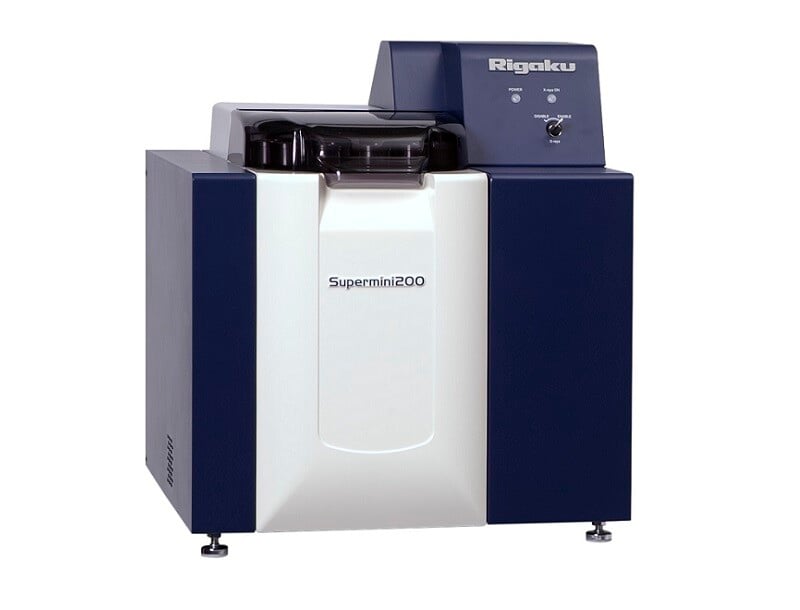
Sequenzielles Benchtop-WDRFA-Spektrometer mit Röhre unterhalb der Probe zur Analyse von O bis U in Feststoffen, Flüssigkeiten und Pulvern.
Mehr erfahrenSmartLab
Fortschrittliches, hochauflösendes High-End-XRD-System, unterstützt durch die Guidance-Expertensoftware.
Mehr erfahrenZSX Primus IVi
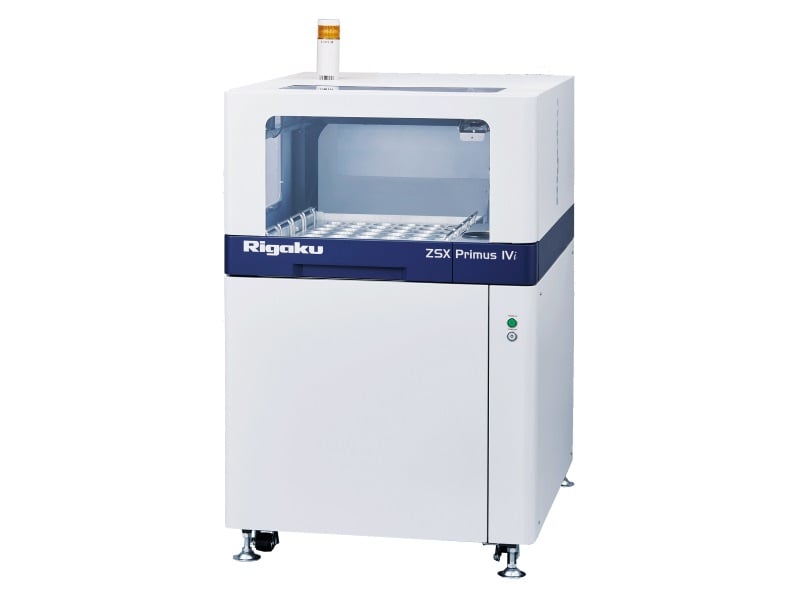
Sequenzielles Hochleistungs-WDRFA-Spektrometer mit der Röhre unterhalb der Probe und neuer ZSX Guidance-Expertensoftware.
Mehr erfahrenNEX CG II Series
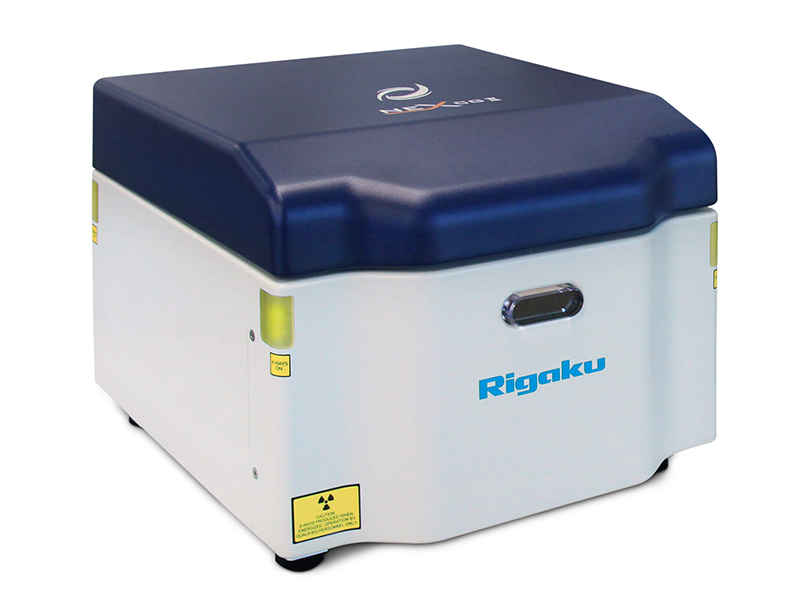
Hochleistungs-EDRFA mit indirekter Anregung für komplexe Anwendungen mit Spurenelementen und variablen Basismatrizen.
Mehr erfahrenSmartLab SE
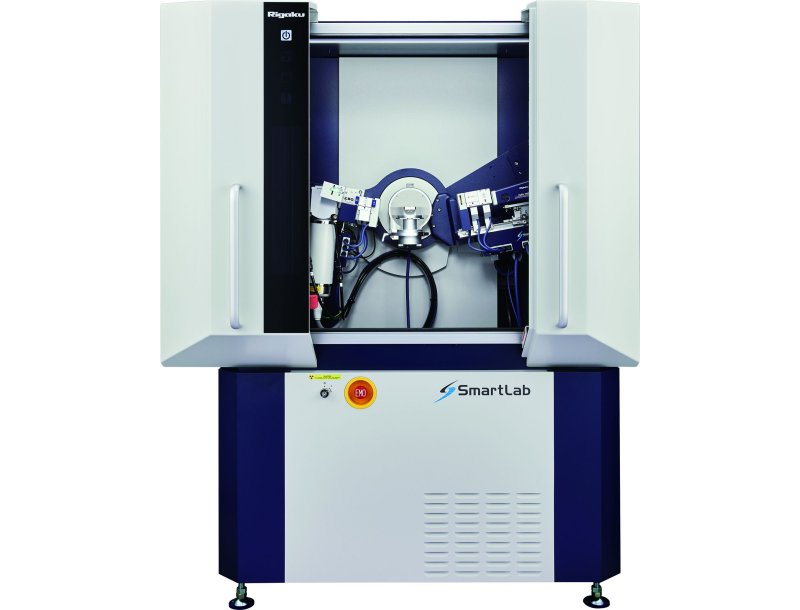
Hochflexibles Mehrzweck-Röntgendiffraktometer mit integrierter intelligenter Nutzerführung.
Mehr erfahrenZSX Primus IV
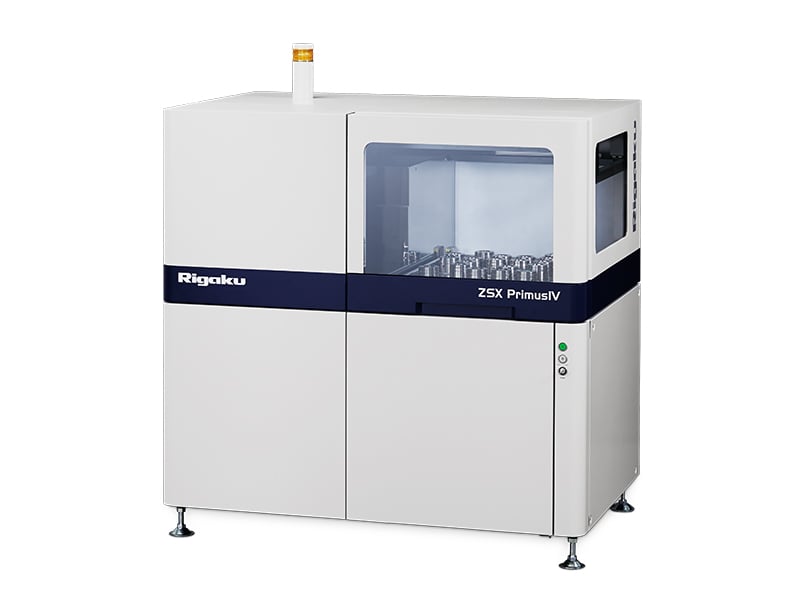
Sequenzielles Hochleistungs-WDRFA-Spektrometer mit Röhre oberhalb der Probe und neuer ZSX Guidance-Expertensoftware.
Mehr erfahren

Kontakt
Egal ob Sie ein Angebot möchten, eine Demo wünschen, technischen Support benötigen oder einfach eine Frage haben, wir sind für Sie da.

Abonnieren Sie den Newsletter The Bridge
Bleiben Sie auf dem Laufenden über Neuigkeiten aus der Materialanalyse, bevorstehende Konferenzen, Webinare und Podcasts und lernen Sie neue Analysetechniken und -anwendungen kennen.